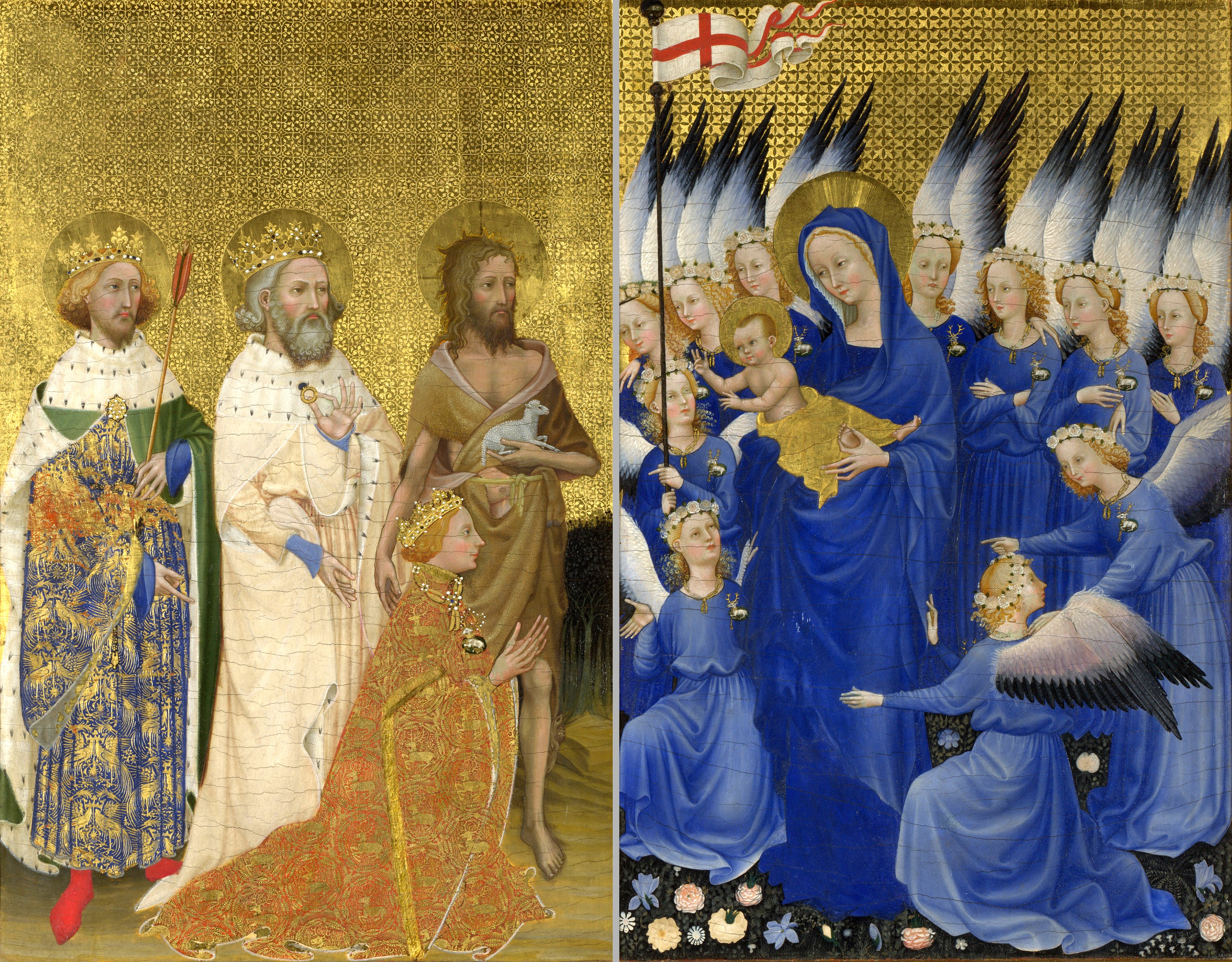
Edmund the Martyr
Edmund of East Anglia; Saint Edmund King and Martyr
Life and Ministry
Edmund was crowned king of the East Angles around AD 855, at perhaps fourteen years of age, in a Christian kingdom that had been part of the Anglo-Saxon settlement of the British Isles for two and a half centuries. He governed for some fifteen years from his royal estate at Hægelisdun (probably Hellesdon in Norfolk), maintained a friendship with the bishops of his realm, and was known by all later sources as a king who took his coronation oath to defend the church and his people seriously. The Great Heathen Army of the Vikings — the largest concerted Norse invasion of England in the ninth century — landed in East Anglia in 866 and ranged across northern England for four years before turning south to deal with Edmund.
Circumstances of Death
In the autumn of 869 the Viking commanders Ivar the Boneless and Ubba marched against Edmund's kingdom. The earliest source — Abbo of Fleury's late-tenth-century passio, written from the testimony of an old man at Canterbury who had been Edmund's standard-bearer — records that Edmund engaged the Vikings in battle, was defeated, and was offered terms: he might keep his throne as a tributary king if he would share his kingdom with a pagan overlord and renounce his exclusive Christian profession. Edmund refused on both counts, telling the messenger that he would not survive his men nor renounce the faith of his fathers. He was captured, bound to a tree, and shot to death with arrows after the manner of Sebastian; when he would not stop calling on the name of Christ his head was struck off and thrown into the wood.
Legacy
Edmund's body was recovered, his head reunited with it (per the legend, the head having been guarded by a wolf), and his shrine became the most important pilgrimage destination in eastern England for the next four centuries — the abbey town of Bury Saint Edmunds is named for it. Edmund was the original patron saint of England, holding that office for four hundred years before George supplanted him in the late thirteenth century. His banner — three gold crowns on a blue field, representing the three crowns of the king, the martyr, and the virgin — survives as the arms of the Diocese of East Anglia.
Sources
Anglo-Saxon Chronicle, MS A entry for 870; Abbo of Fleury, Passio Sancti Edmundi (c. AD 985); Aelfric of Eynsham, Life of Saint Edmund (c. AD 998).