Public domain · via Wikimedia Commons ↗
The Leningrad Codex
Also called Codex Leningradensis, B19A, L.
Reflection
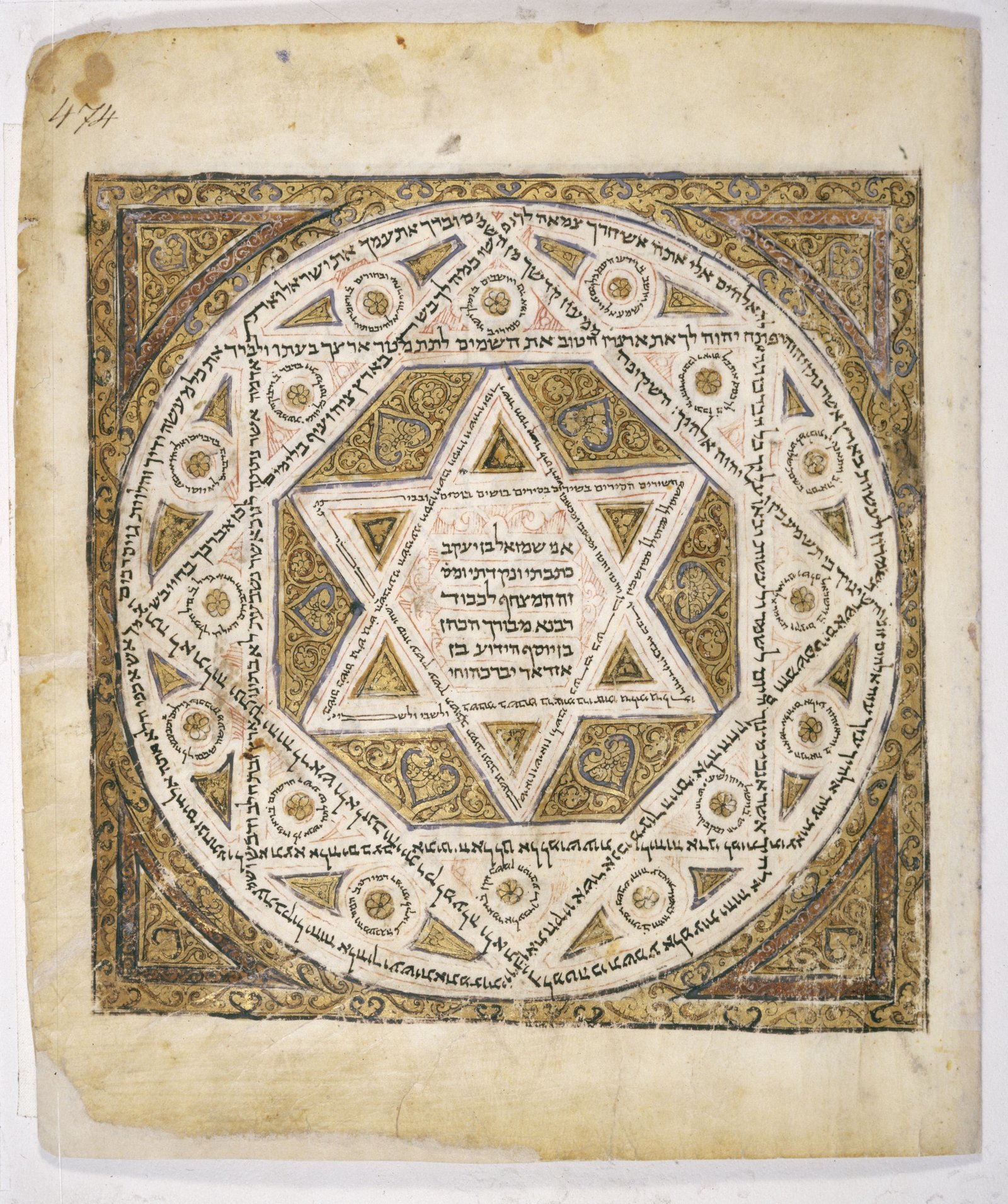
Open any modern critical edition of the Hebrew Bible — Biblia Hebraica Stuttgartensia, Biblia Hebraica Quinta, the Hebrew base text behind the ESV and the NASB — and you are reading the Leningrad Codex. Every Hebrew word, every vowel point, every cantillation mark is reproduced from this single AD 1008 codex sitting in Saint Petersburg. It is the oldest complete copy of the Hebrew Bible in existence.
What the Leningrad Codex witnesses is the staggering discipline of the Masoretes. From the 6th to the 10th centuries, families of Jewish scribes in Tiberias devoted their lives to fixing the consonantal Hebrew text in place — not just copying it, but counting every letter, marking every unusual spelling, cataloguing every variant in the margins. The colophon of the Leningrad Codex names its scribe (Samuel ben Jacob) and its exemplar (manuscripts of Aaron ben Moses ben Asher), tying it directly to the most authoritative Masoretic family in history. When 1QIsaᵃ was unrolled from its jar at Qumran in 1947, scholars compared it line-by-line with Leningrad's Isaiah. The agreement was so close that the question shifted from "can we trust the Masoretic Text?" to "how did they preserve it this well for a thousand years?" The answer is the Masoretes — and the Leningrad Codex is their finished work.
For the believer today, this means the Old Testament you read is built on a foundation laid by men who treated each consonant of scripture as the breath of God. They did not innovate. They did not paraphrase. They counted, marked, and copied — and the Word came through. The Bible you hold is not a guess. It is a witnessed, signed, dated document, traceable to a man named Samuel ben Jacob who finished his work in the year 1008 and signed his name to it. The Word stands.
Why this manuscript matters
- Oldest complete Hebrew Bible
- Base text of BHS and BHQ
- Ben Asher Masoretic tradition