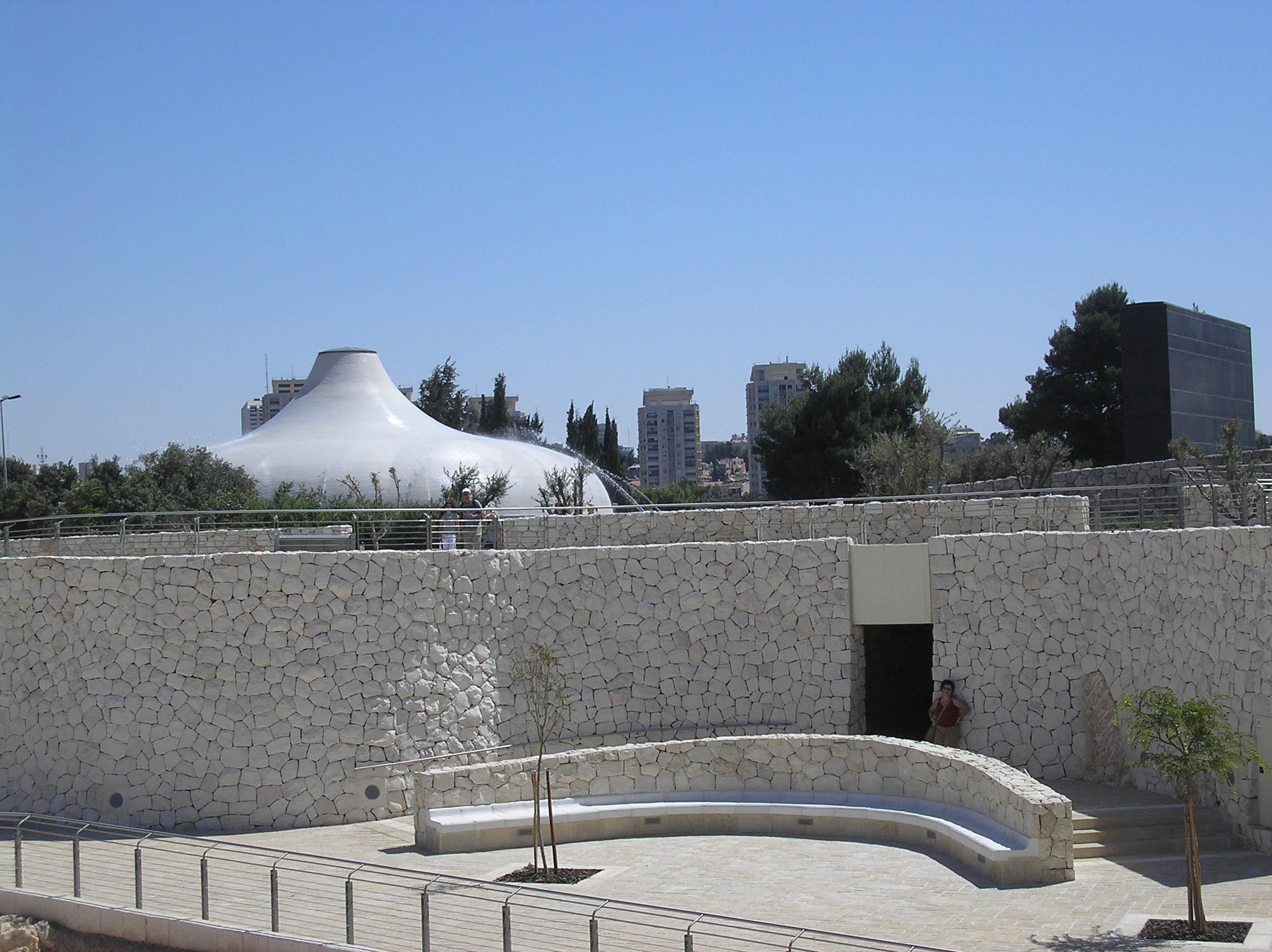
1QSa, formally designated the Rule of the Congregation (Serekh ha-Edah), was discovered in 1947 among the first scrolls recovered from Cave 1 at Qumran, on the northwestern shore of the Dead Sea, by Bedouin members of the Ta'amireh tribe. Barthélemy and Milik published the editio princeps in Discoveries in the Judaean Desert I (Oxford, 1955). The scroll was appended to the Community Rule (1QS) and is currently held by the Israel Antiquities Authority, displayed and preserved at the Shrine of the Book within the Israel Museum, Jerusalem. The manuscript is written on parchment in a Herodian formal script, paleographically dated to approximately 100–50 BC, though the composition itself may reflect earlier traditions. The text spans two columns and approximately 28–29 lines per column. 1QSa legislates membership qualifications, age-graded roles, physical purity requirements drawn from Deuteronomy 23 and Levitical precedent, and the seating order for a communal meal presided over by a priestly figure and a Davidic Messiah. The phrase describing the Messiah of Israel taking his place after the Priest at the meal has attracted sustained scholarly attention as a window into dual-messianism — a priestly and a royal deliverer — consonant with figures found in other Qumran texts and echoing language from Isaiah 11 and Psalm 2. For biblical scholarship, 1QSa illuminates how Second Temple communities interpreted and institutionalized prophetic and Torah texts around anticipated end-time scenarios. Its strict purity and organizational hierarchy parallel Ezekiel 44's priestly legislation and Numbers 1's census framework, demonstrating that the Qumran movement read these passages as directly applicable to a reconstituted eschatological Israel. The messianic meal described in column 2 provides important comparative material for understanding New Testament meal traditions and messianic titles in their historical Jewish context, without dependence on later theological elaboration. **Sources:** D. Barthélemy and J. T. Milik, *Qumran Cave 1*, Discoveries in the Judaean Desert I (Oxford University Press, 1955); Lawrence Schiffman, *The Eschatological Community of the Dead Sea Scrolls* (Scholars Press, 1989); John Collins, *The Scepter and the Star: Messianism in Light of the Dead Sea Scrolls*, 2nd ed. (Eerdmans, 2010); Isaiah 11:1-5; Numbers 1:1-4.
1QSa provides the earliest known detailed description of a Jewish sectarian community's rules for an anticipated eschatological assembly, offering direct comparative context for Second Temple messianic categories referenced across the Hebrew prophetic corpus and early New Testament texts.