Biblical Archaeology
Forty pieces of physical evidence — sites, inscriptions, manuscripts, and the writings of the early church fathers — that illuminate the biblical world from Abraham to Augustine.
196
Artifacts
6
Biblical Eras
2,500+
Years Spanned
ERA:
TYPE:
196 of 196
Patriarchal
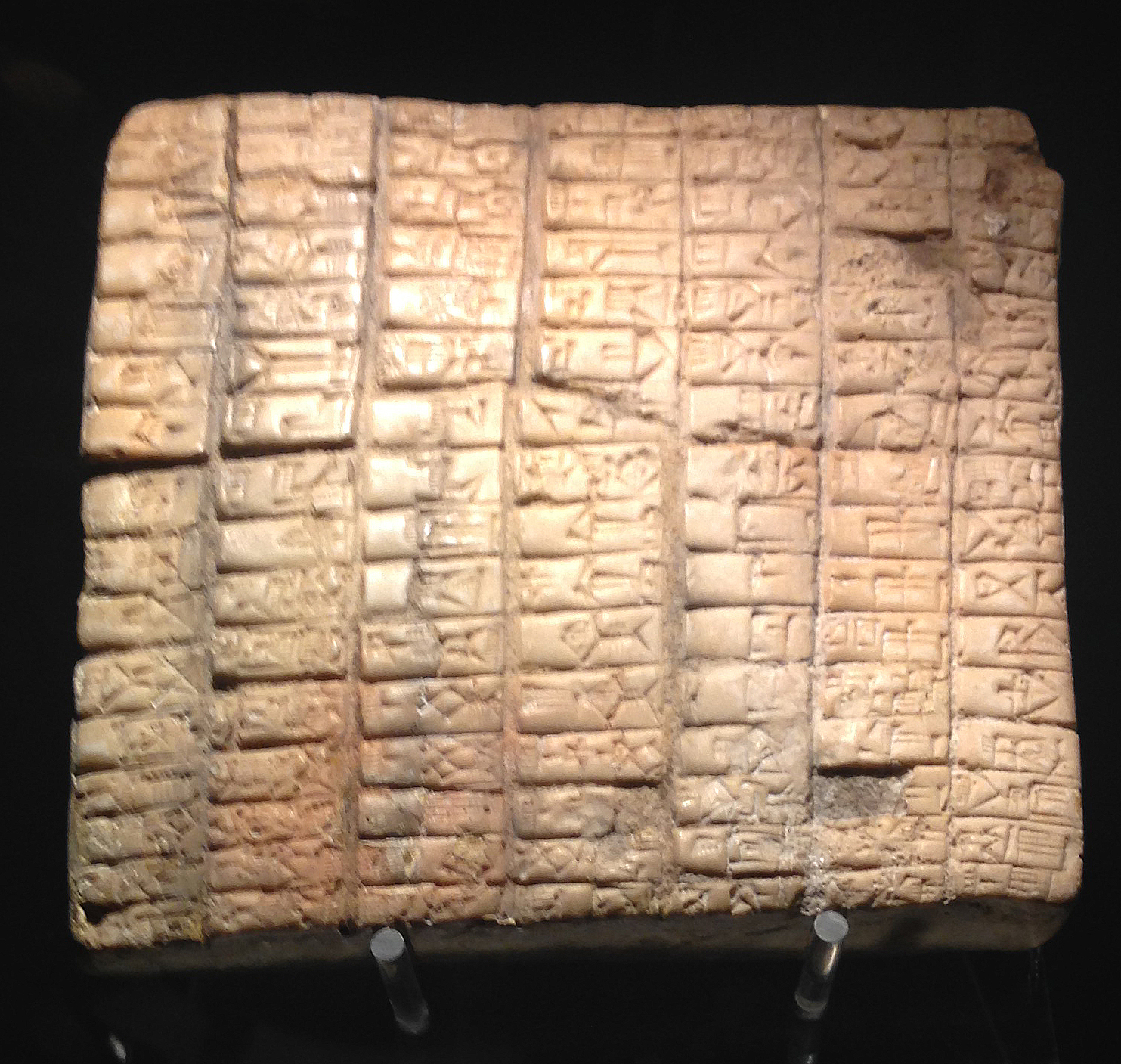 tablet
The Ebla Tablets
17,000 cuneiform tablets from a third-millennium Syrian palace archive — and the cautionary tale of overreaching biblical claims
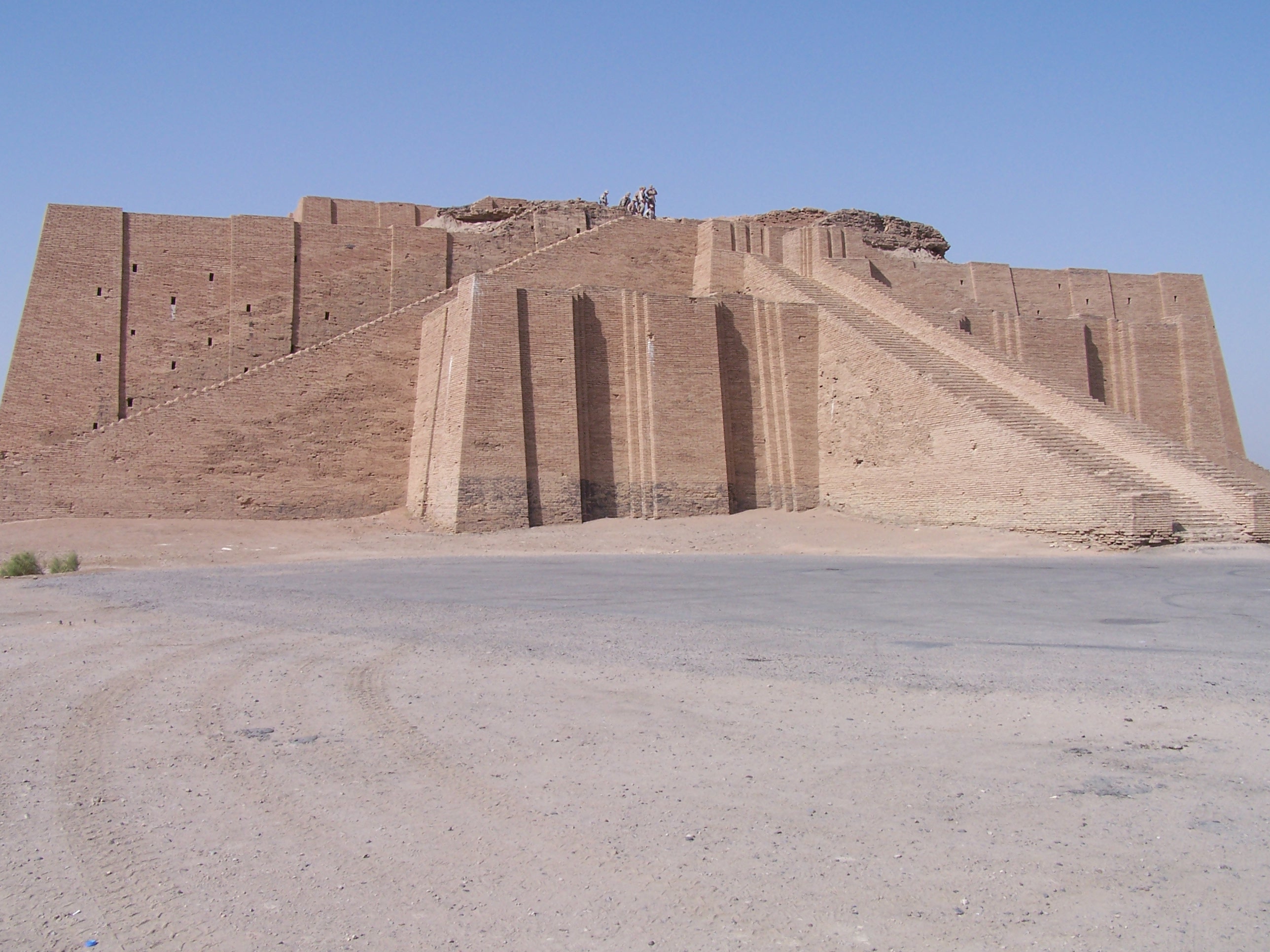 site
siteUr of the Chaldees
Abraham's ancestral city
.jpg) tablet
tabletThe Sumerian King List
The Mesopotamian dynastic chronicle that names eight long-lived kings before the flood — and resumes the line afterward
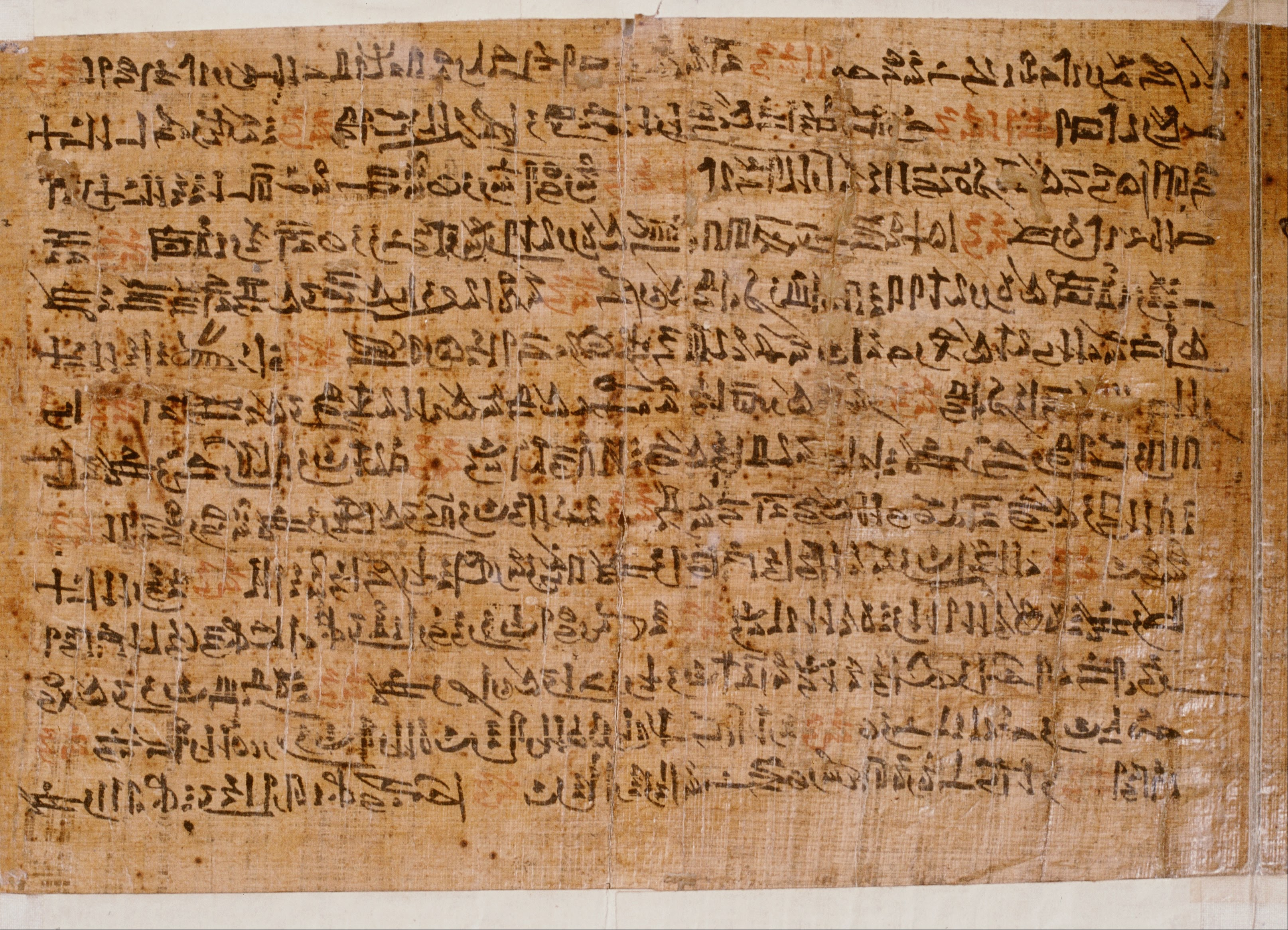 egyptian
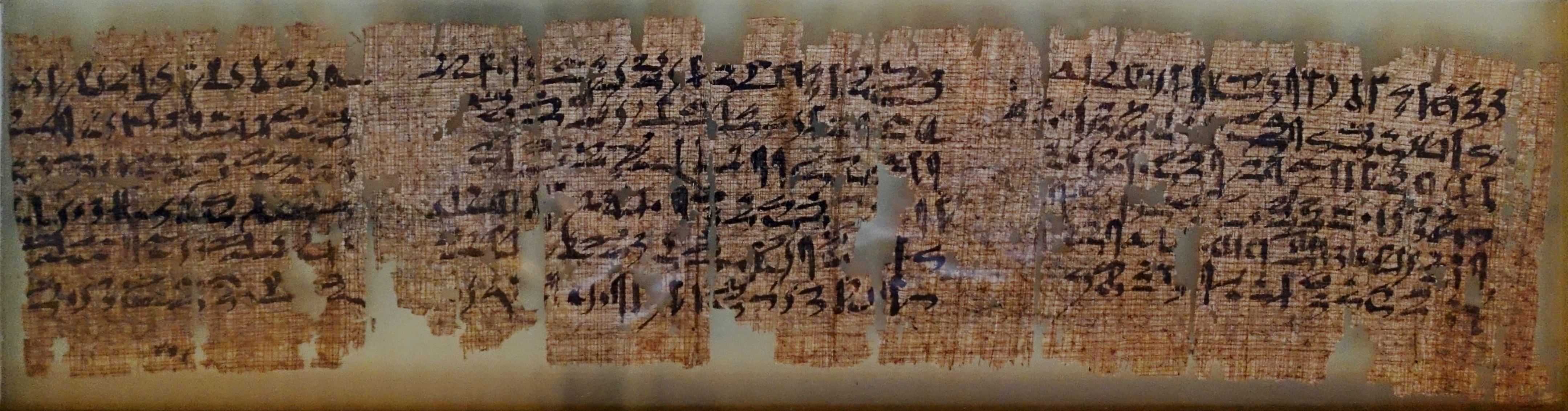
The Ipuwer Papyrus (Admonitions of Ipuwer)
A Middle Kingdom Egyptian lament over a society in collapse — and the disputed parallel to the Exodus plagues
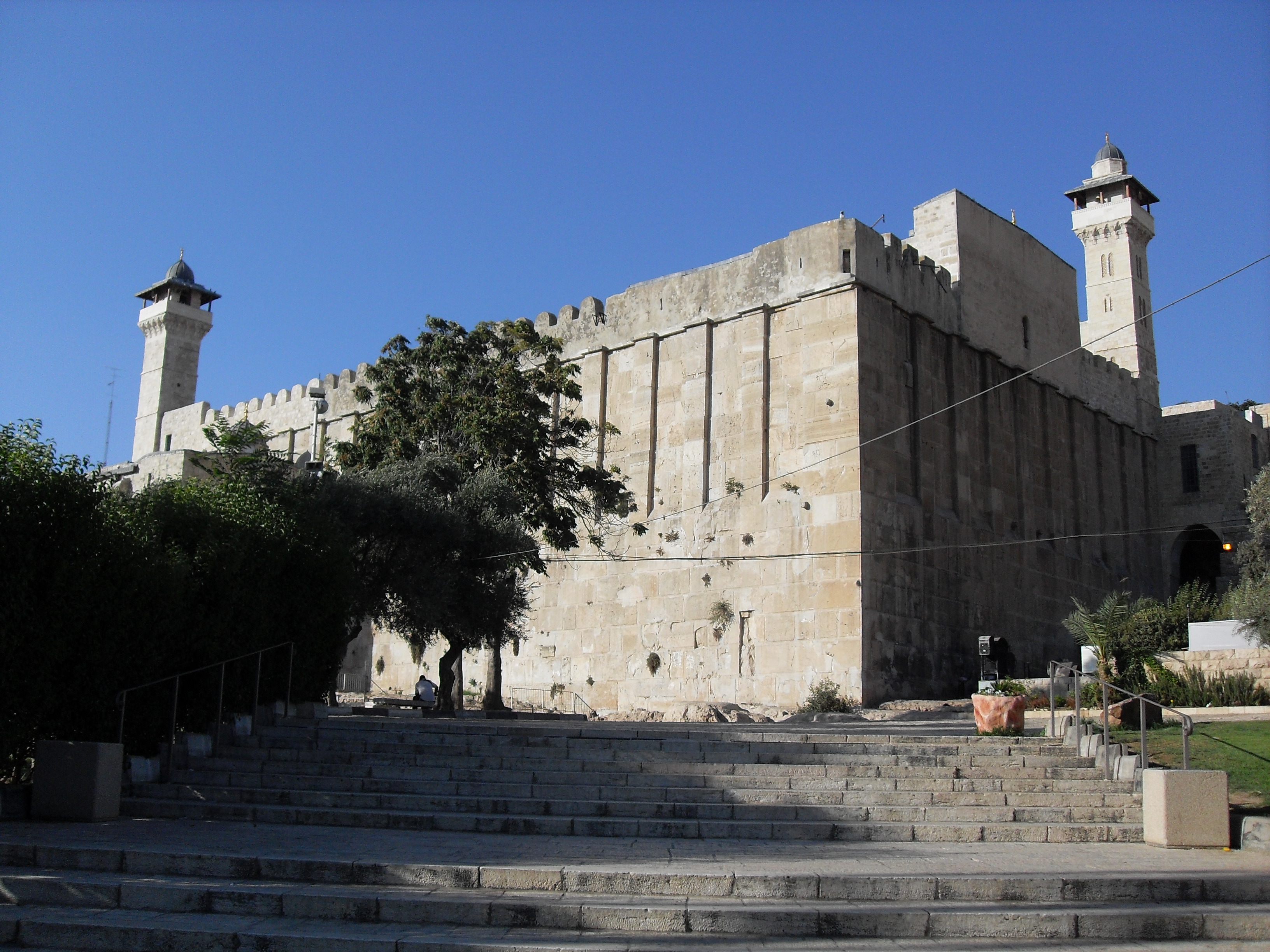 tomb
tombThe Cave of Machpelah
Abraham's purchased burial place at Hebron — the patriarchal tomb beneath one of the only intact Herodian-era buildings still standing
 tomb
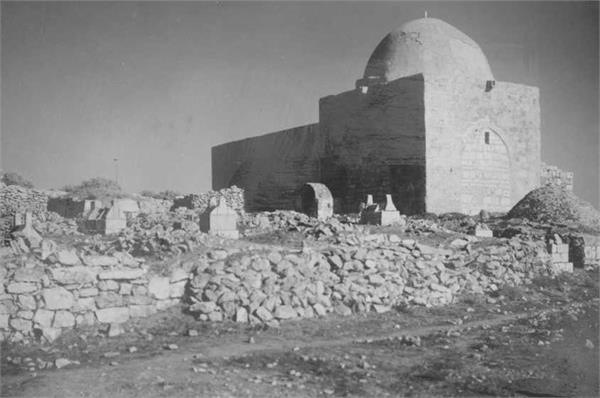
tombRachel's Tomb
The small domed structure on the Jerusalem–Bethlehem road, identified per Genesis 35 — but 1 Samuel 10:2 places the tomb in Benjamin near Ramah, and the location has been contested since antiquity
.jpg) egyptian
egyptianThe Beni Hasan Tomb Paintings
Twelfth Dynasty wall paintings of Asiatic Semites entering Egypt — the visual world of Abraham, Jacob, and Joseph
 egyptian
The Story of Sinuhe
A Twelfth Dynasty literary classic depicting an Egyptian fugitive's life among the Aamu of Canaan — the patriarchal Levant from inside the Egyptian imagination
.jpg) inscription
inscriptionThe Mari Tablets
20,000 cuneiform tablets from a contemporary of the patriarchs
 tablet
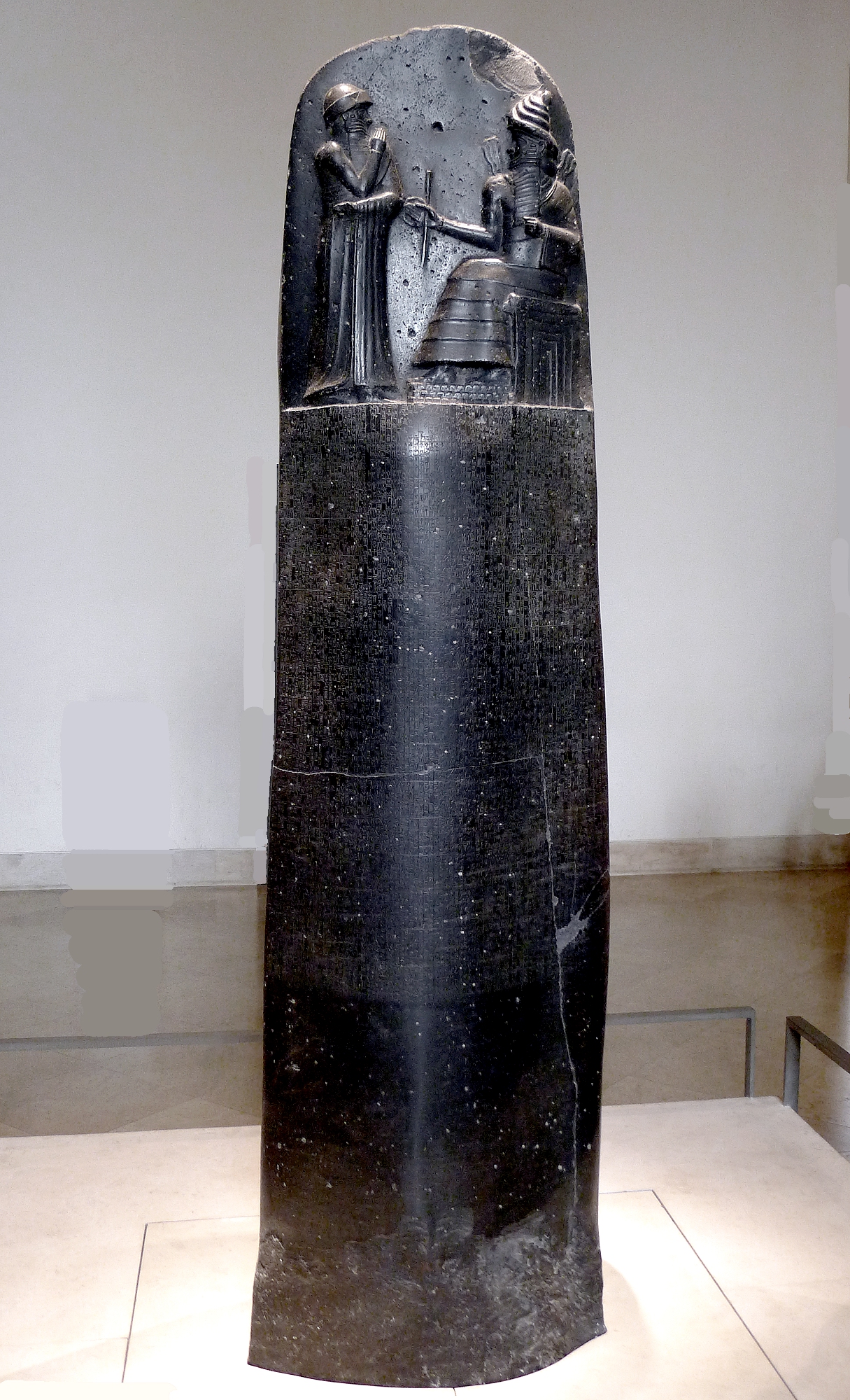
The Code of Hammurabi
The basalt stele of 282 Babylonian case-laws — the legal world Moses entered four centuries later
 tomb
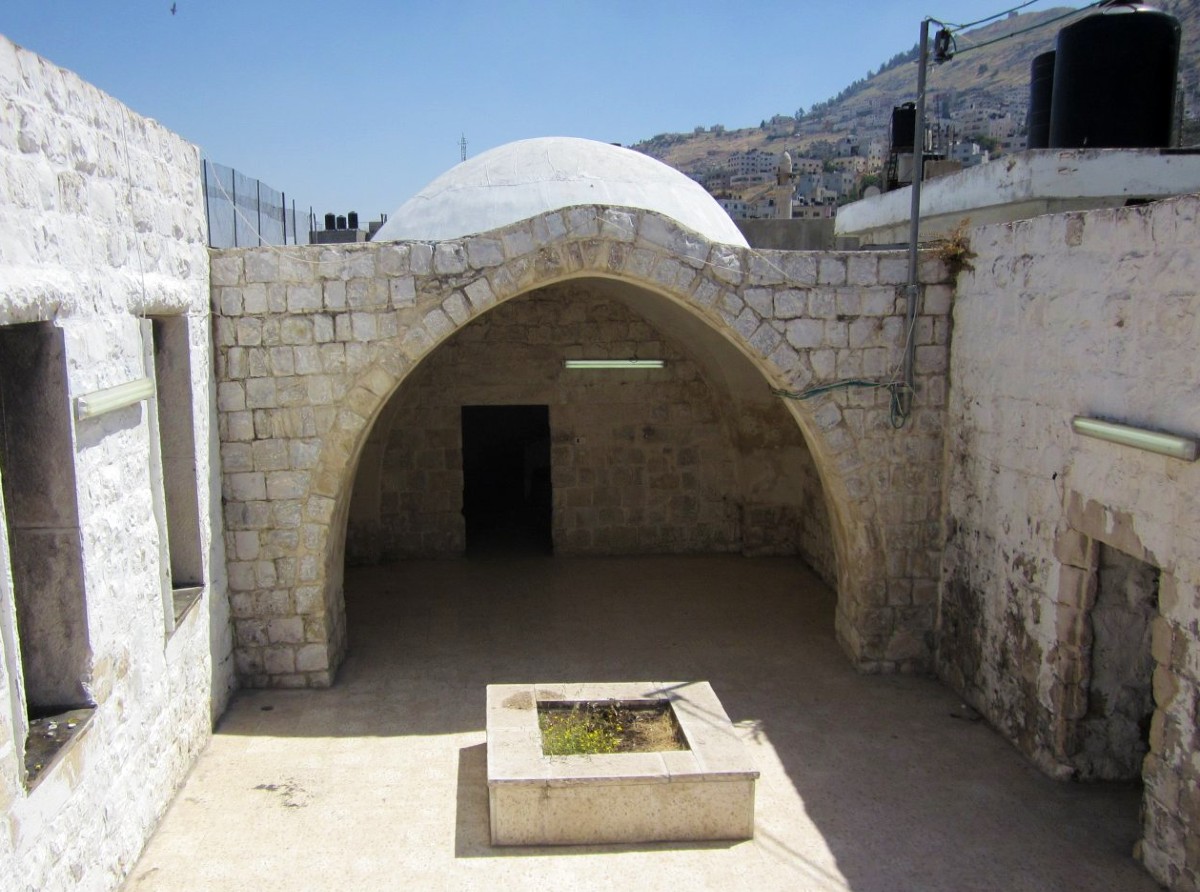
tombJoseph's Tomb at Shechem
The domed structure at the eastern outskirts of Nablus, identified per Joshua 24:32 — medieval rebuilding on possibly older foundations, damaged repeatedly in modern conflict
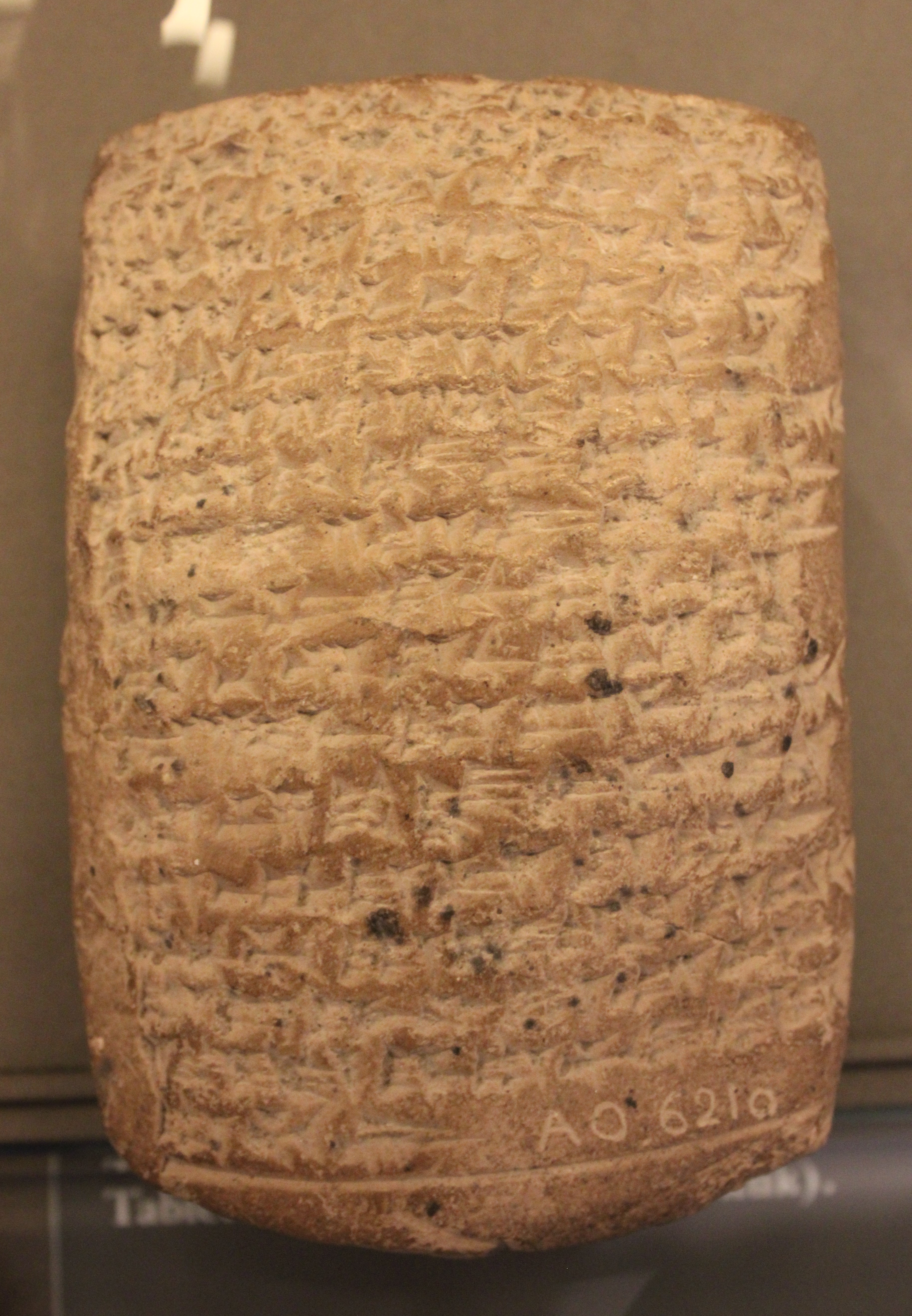 inscription
The Nuzi Tablets
Hurrian household customs that match Genesis
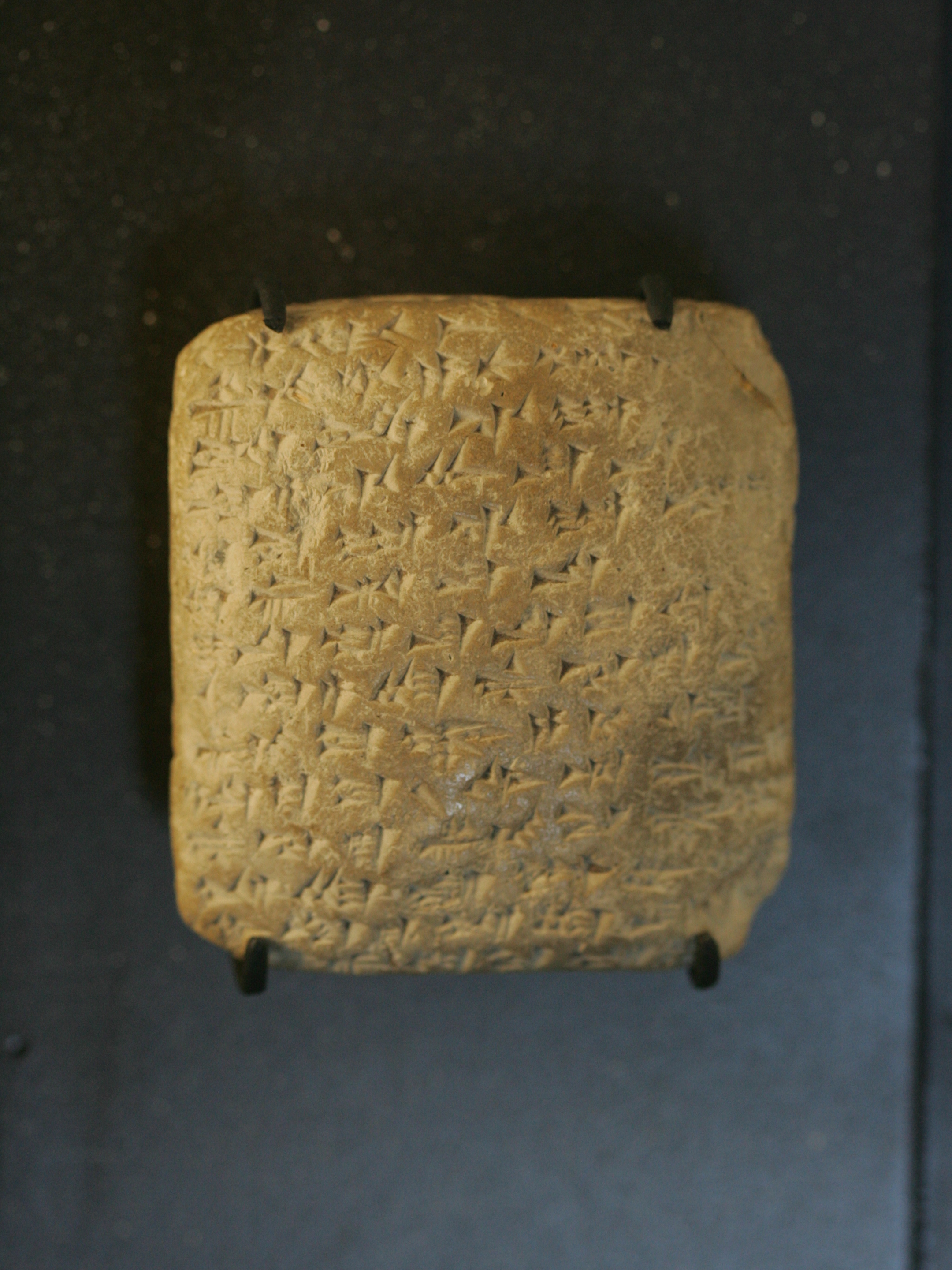 tablet
The Amarna Letters
382 cuneiform tablets from Akhenaten's archive — the Canaanite city-states writing to Egypt about a land in trouble, c. 1350 BC
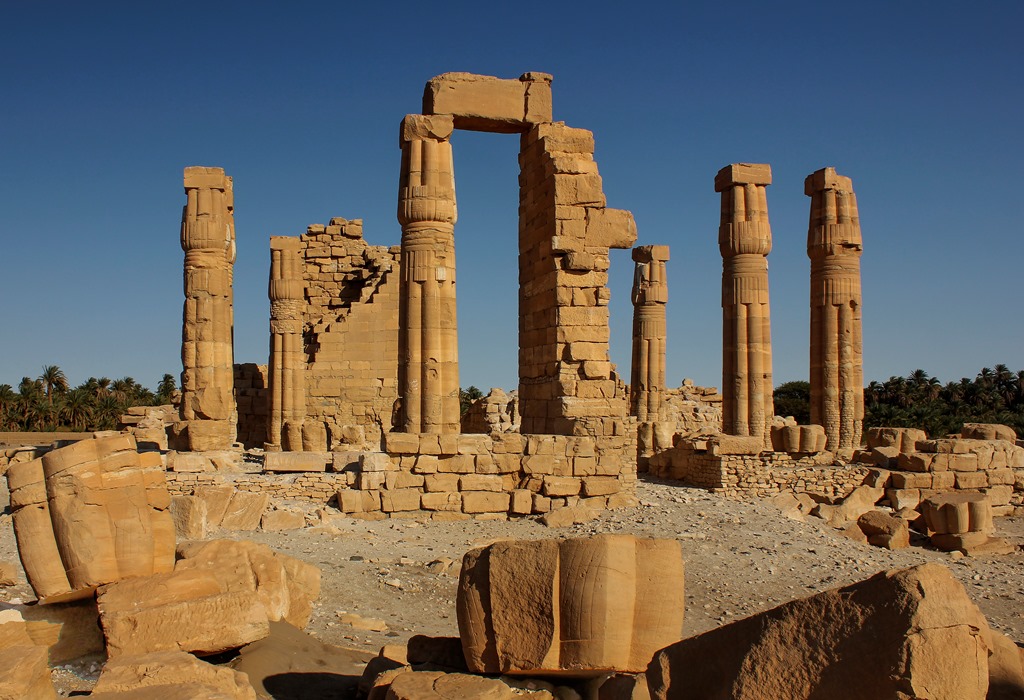 egyptian
The Soleb Temple Inscription — YHWH of the Shasu
A column inscription of Amenhotep III in Nubia naming "the land of YHWH-people" — the earliest extra-biblical attestation of the divine name
Old Testament
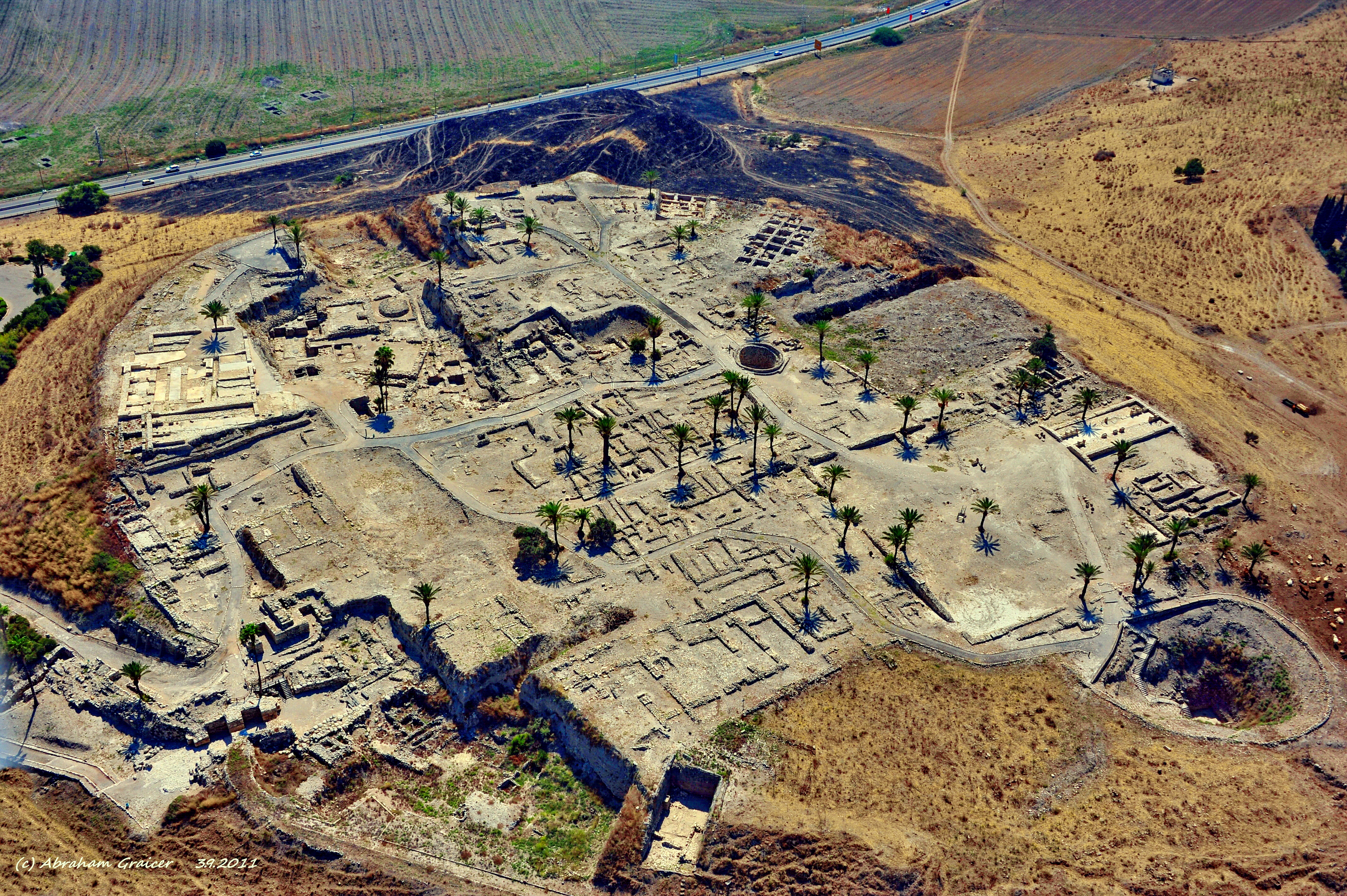 site
siteTel Megiddo
The multi-period mound on the Jezreel Valley pass — twenty-six occupation layers, the Solomonic gate, and the Hebrew name that gives Revelation its "Armageddon"
 site
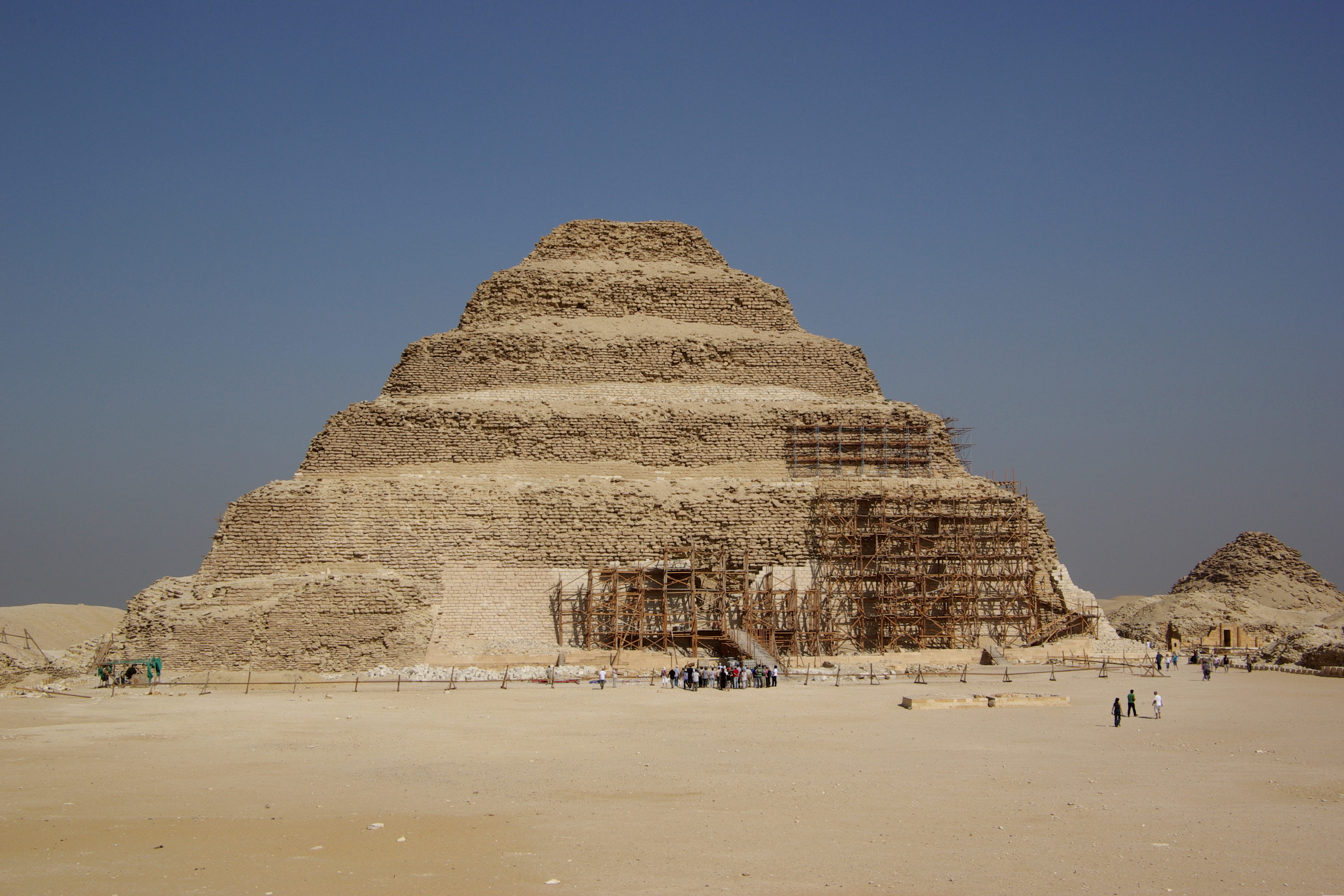
siteThe Saqqara Step Pyramid
Earliest surviving stone monumental structure, built under Pharaoh Djoser c. 2650 BC, anchoring Old Kingdom Egypt in the world of the patriarchal narratives
 site
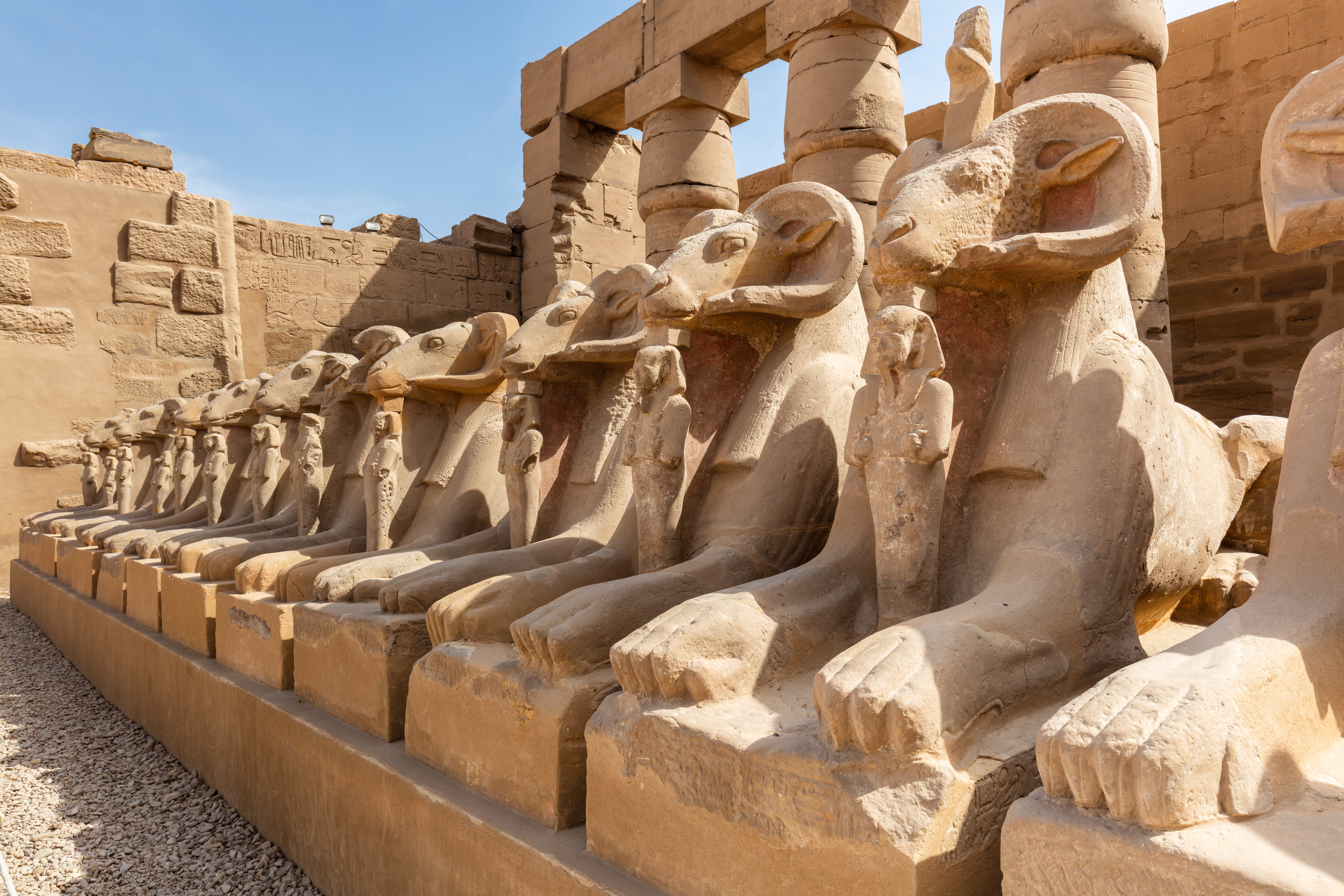
siteThe Karnak Temple Complex
Egypt's principal cult center at ancient Thebes, whose inscriptions and reliefs directly contextualize Egyptian-Israelite political and cultural contact across the biblical period
 egyptian
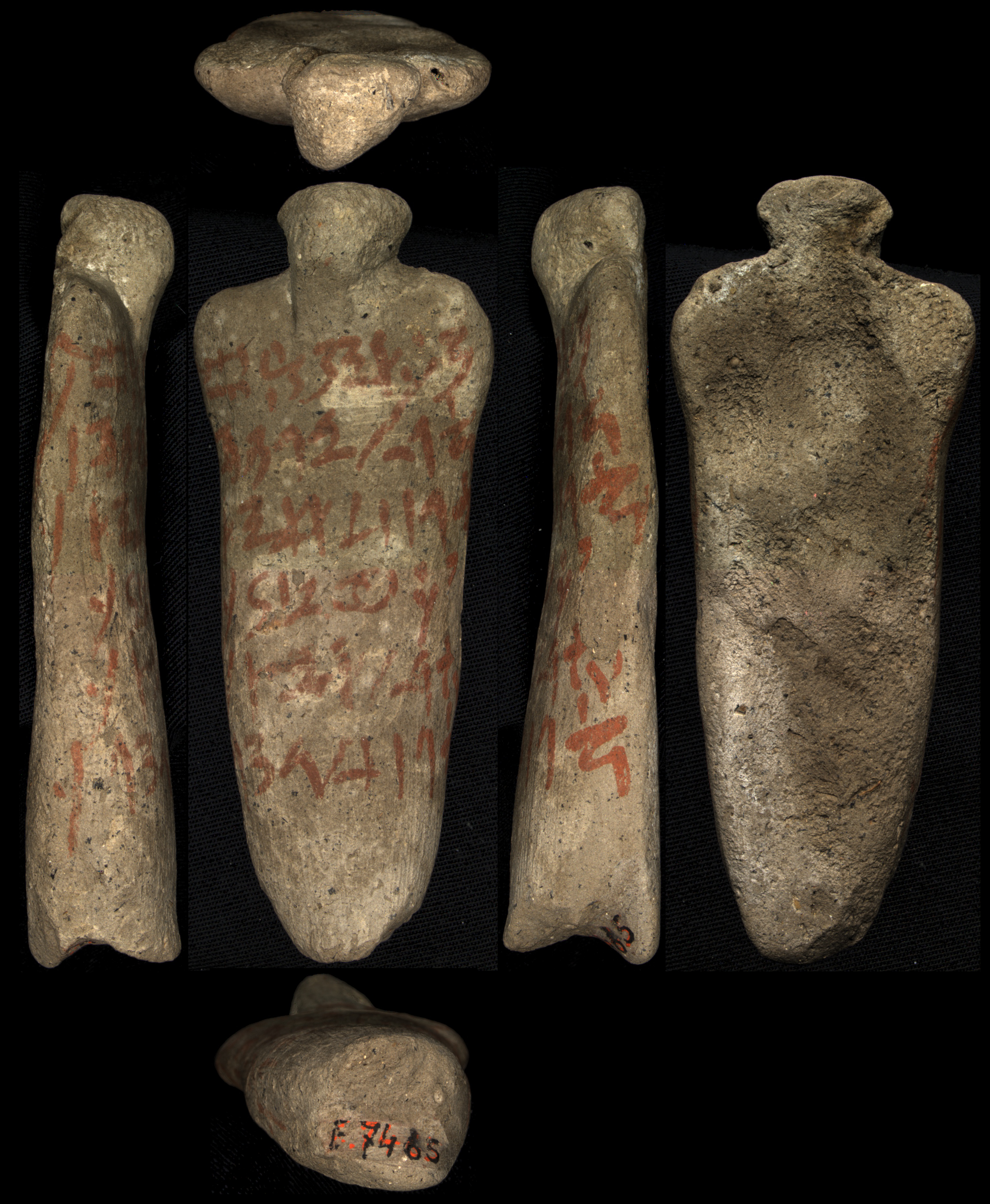
The Execration Texts: Middle Kingdom Egyptian Ritual Figurines Naming Canaanite Cities
Ceramic figurines and pottery bowls inscribed with curses against enemies, preserving the earliest Egyptian references to Jerusalem, Shechem, and Ashkelon
 tomb
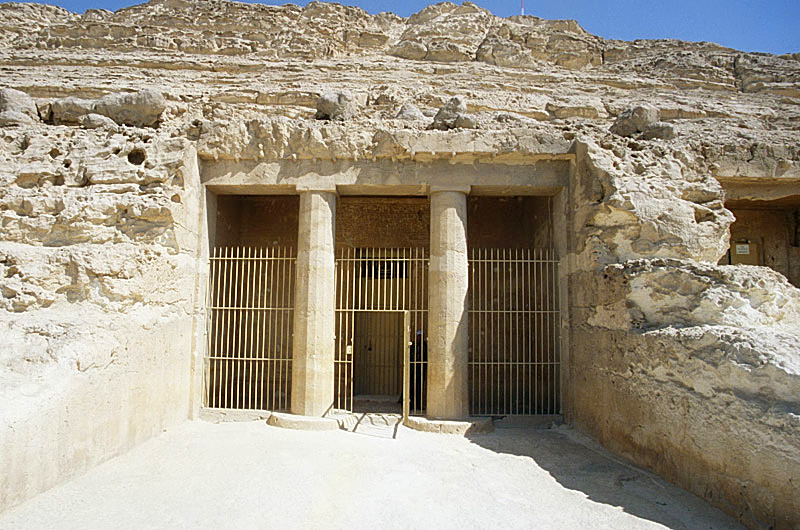
tombTomb of Khnumhotep II at Beni Hasan: The Asiatic Caravan Painting
A Middle Kingdom Egyptian tomb painting depicting a group of Semitic migrants entering Egypt, offering rare visual context for Israelite ancestral traditions
 inscription
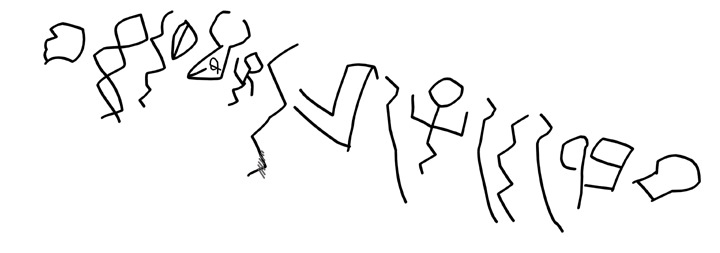
The Wadi el-Hol Inscriptions
Earliest known alphabetic writing, c. 1900 BC, carved into Egyptian desert rock and illuminating the origins of the script underlying biblical Hebrew
.jpg) inscription
inscriptionThe Serabit el-Khadim Proto-Sinaitic Inscriptions
Earliest alphabetic Semitic writing from the Sinai turquoise mines, bridging Egyptian hieroglyphs and the Phoenician-Hebrew alphabet
 site
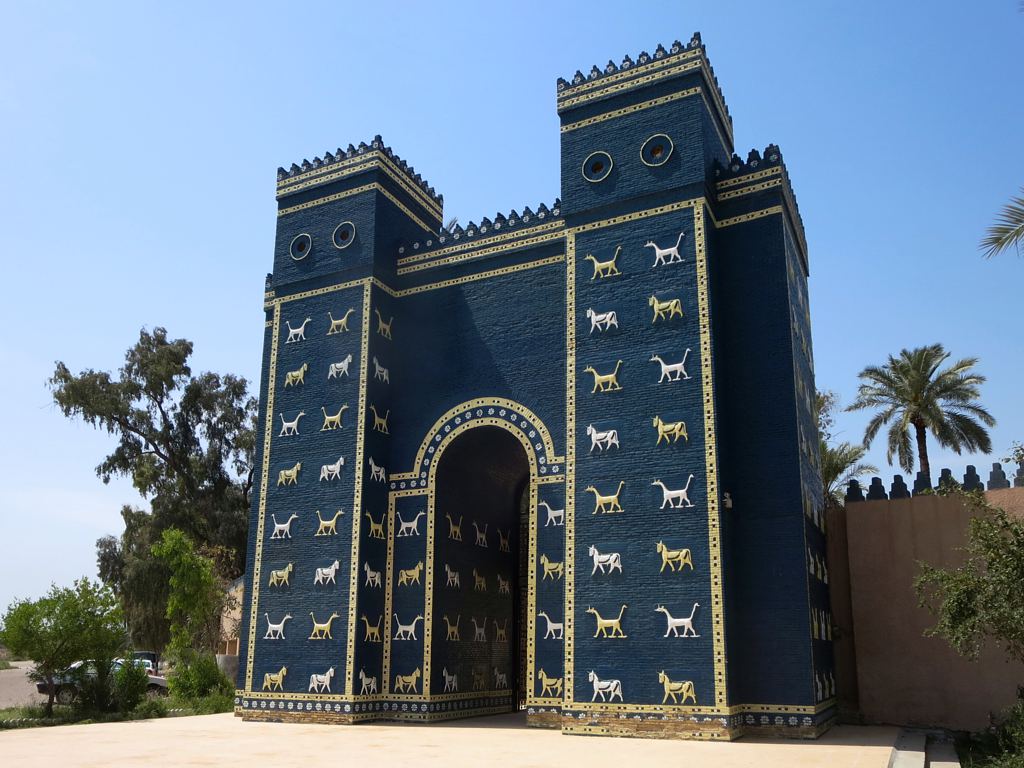
siteBabylon
Capital of Hammurabi and Nebuchadnezzar — the Ishtar Gate, Etemenanki, the city of the Captivity and of Daniel's court
 tablet
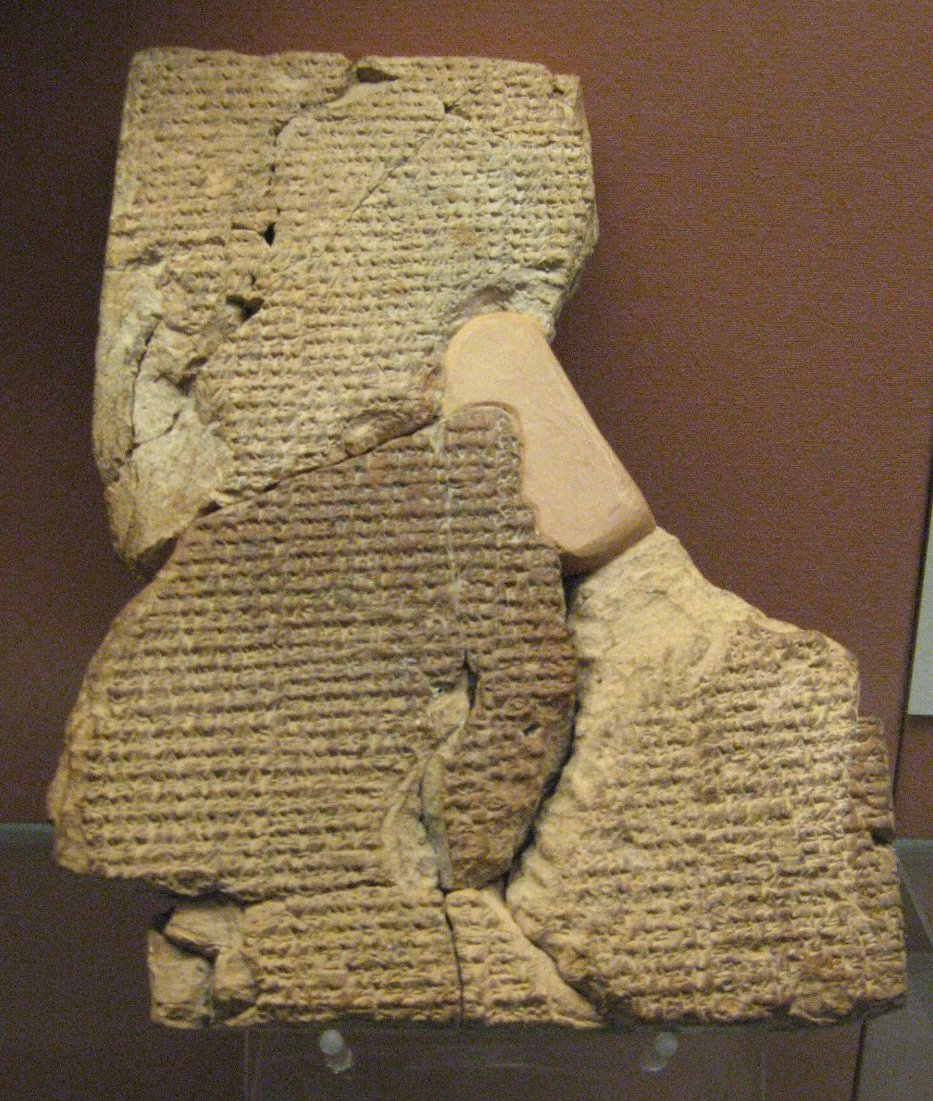
The Atrahasis Epic
Ancient Babylonian creation and flood narrative predating the biblical text, illuminating the literary and cultural milieu of Genesis
 site
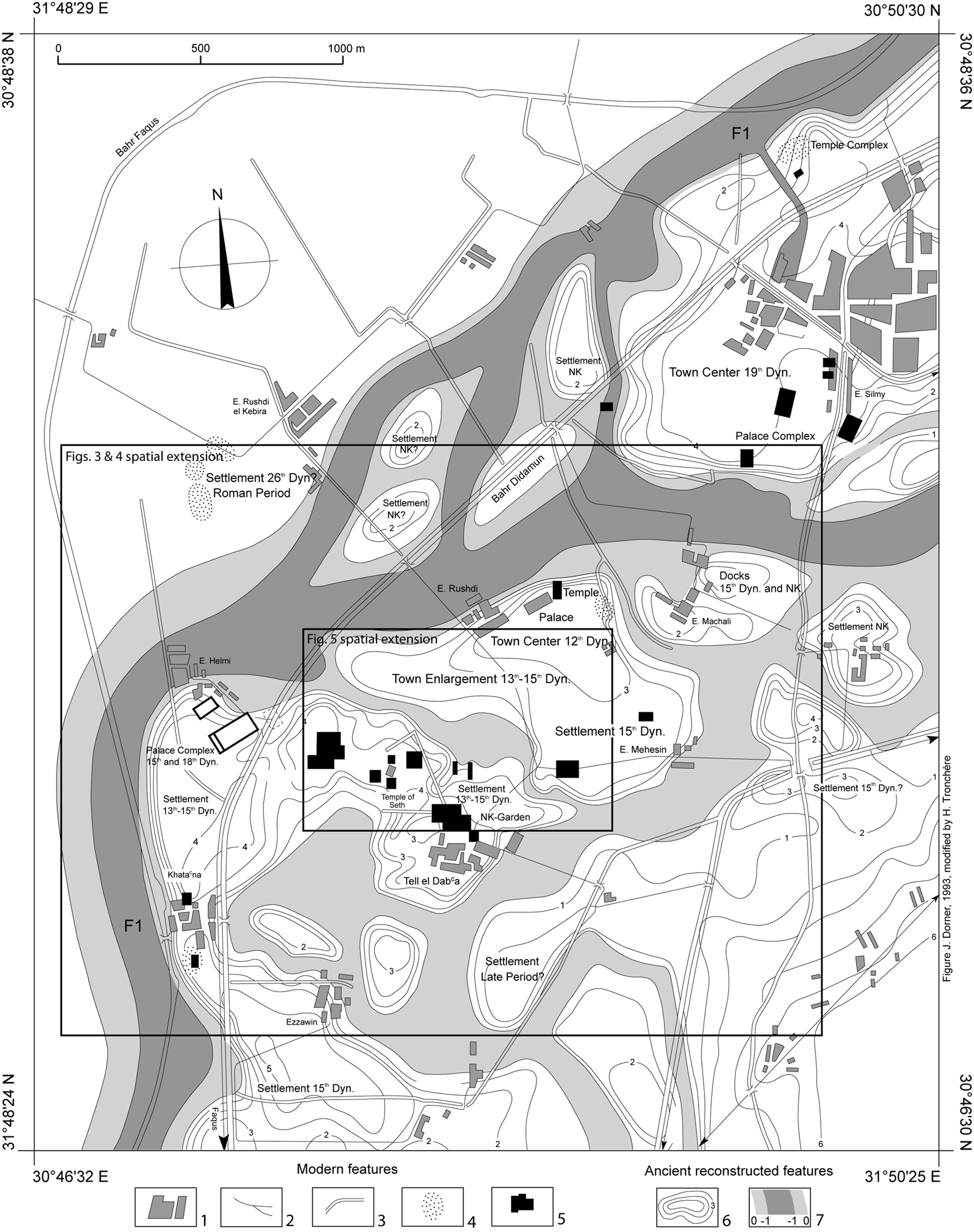
siteAvaris (Tell el-Daba): Hyksos Period Eastern Delta Capital
Bronze Age city in Egypt's eastern Nile Delta where archaeological evidence intersects with biblical accounts of Semitic settlement and Israelite sojourn
 site
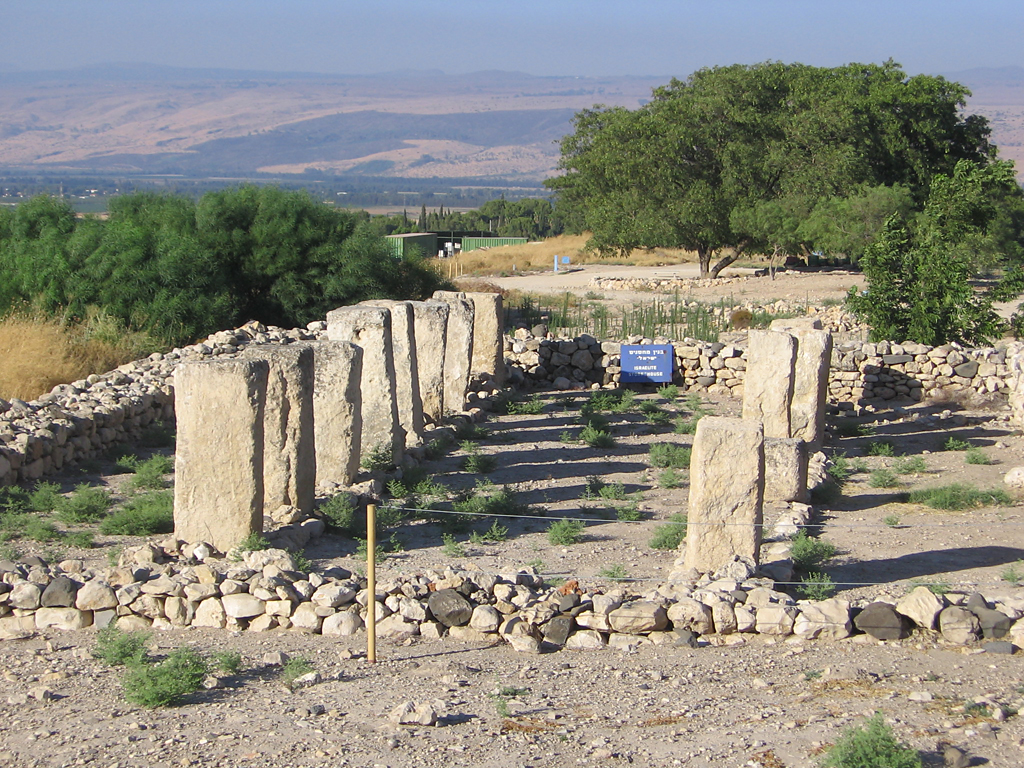
siteTel Hazor
The "head of all those kingdoms" — a 200-acre Late Bronze Age city burned in the thirteenth century BC, with a Solomonic gate matching Megiddo and Gezer
 site
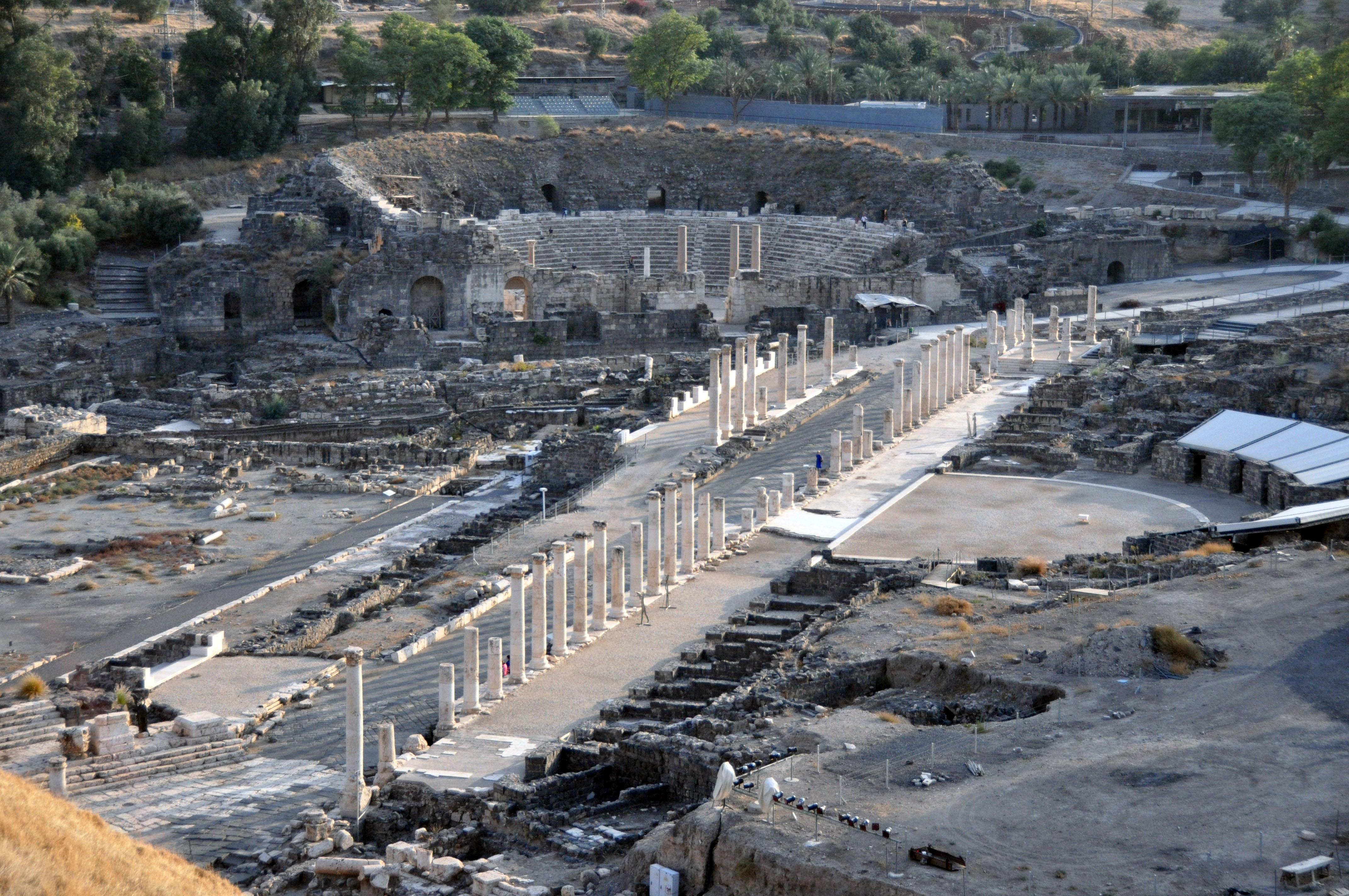
siteBeit She'an (Scythopolis)
Tell at the junction of the Jezreel and Jordan valleys — the walls where Saul and his sons were nailed after Mount Gilboa, with the Late Bronze Egyptian governor's residence and the Roman city of the Decapolis
 tomb
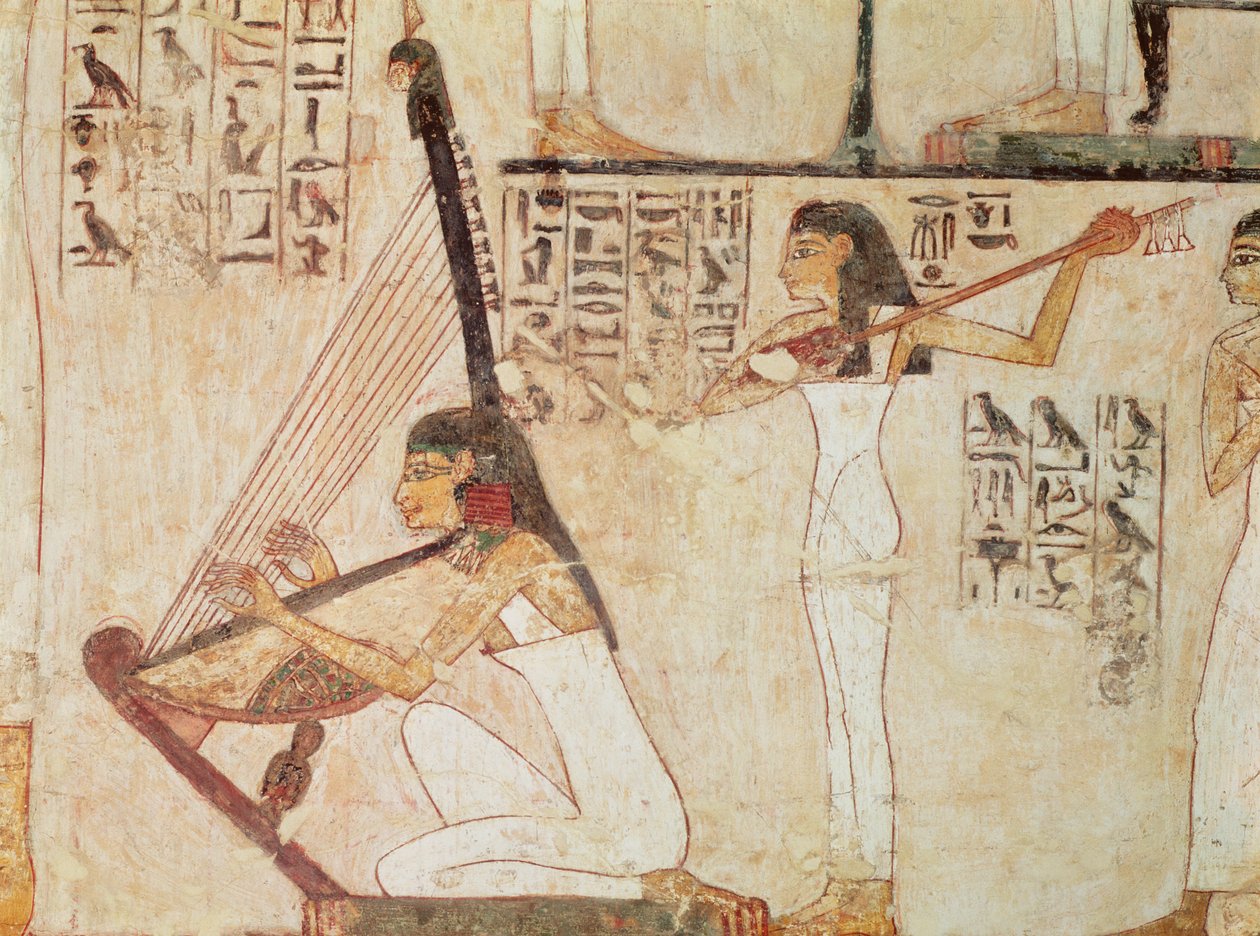
tombThe Tomb of Rekhmire
Fifteenth-century BC Theban vizier's tomb preserving painted tribute scenes depicting Asiatic captives, illuminating Egyptian-Canaanite relations during the era of the biblical sojourn
 tablet
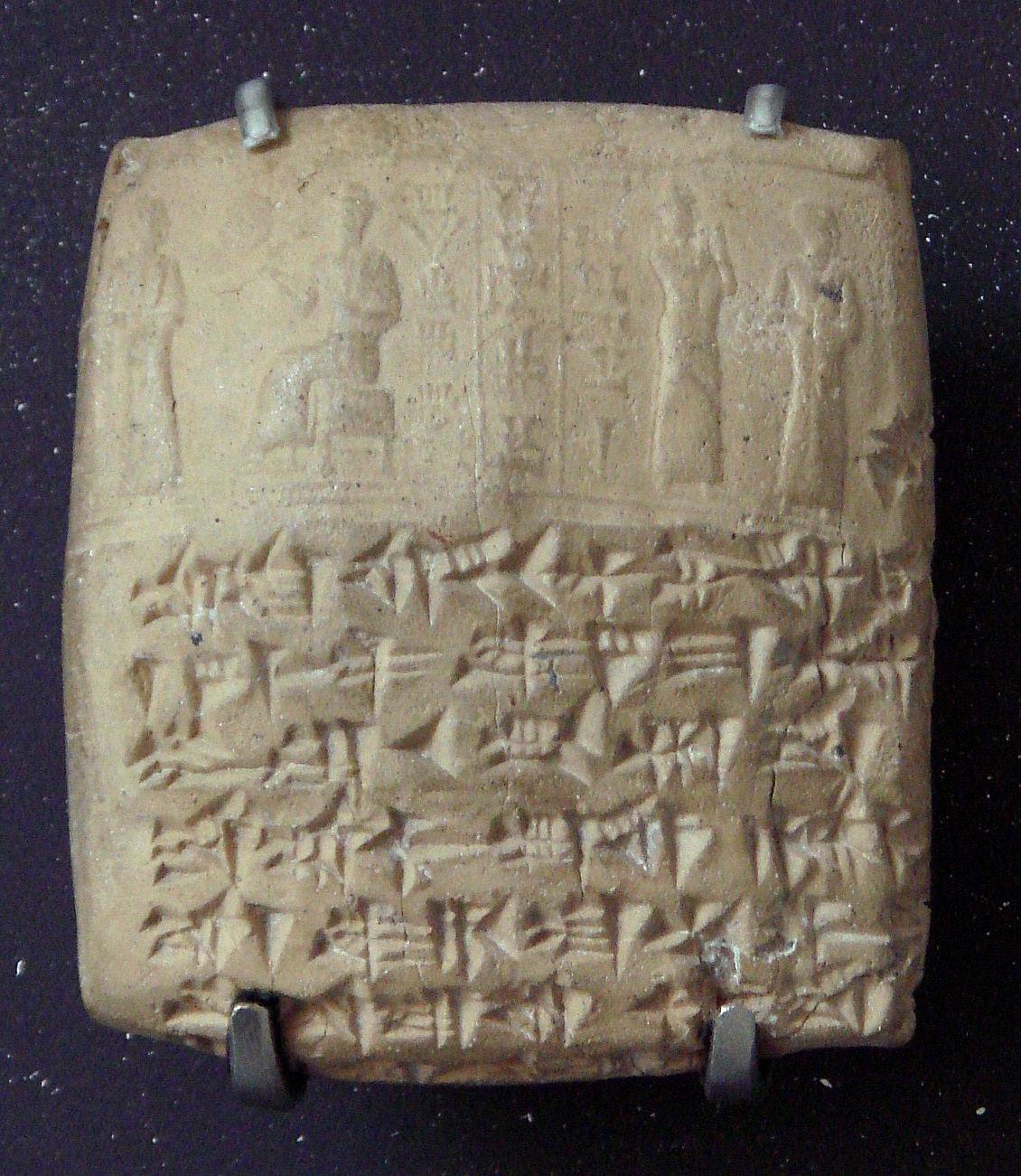
The Ras Shamra (Ugarit) Tablets
1,500 alphabetic cuneiform tablets from a Late Bronze Syrian port — the Canaanite religious vocabulary the Hebrew Bible argues with
_to_the_Egyptian_Pharaoh_Amenhotep_III_or_his_son_Akhenaten._14th_century_BCE._From_Tell_el-Amarna%2C_Egypt._The_British_Museum.jpg) tablet
tabletThe Tel Hazor Cuneiform Letter
Late Bronze Age Akkadian diplomatic tablet addressed to the king of Hazor, attesting the city's prominence in Canaanite political networks
 tomb
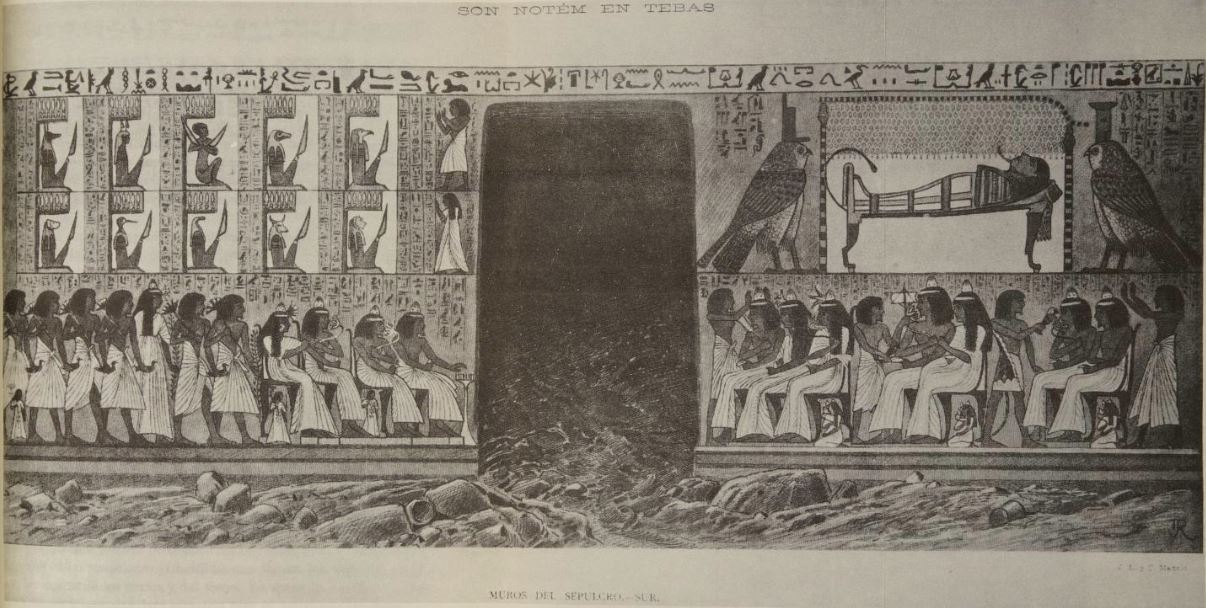
tombTomb of Sennedjem (TT1), Deir el-Medina
Exceptionally preserved New Kingdom artisan tomb whose funerary iconography and agricultural afterlife scenes illuminate the Egyptian cultural world contemporary with the biblical sojourn narratives
 egyptian
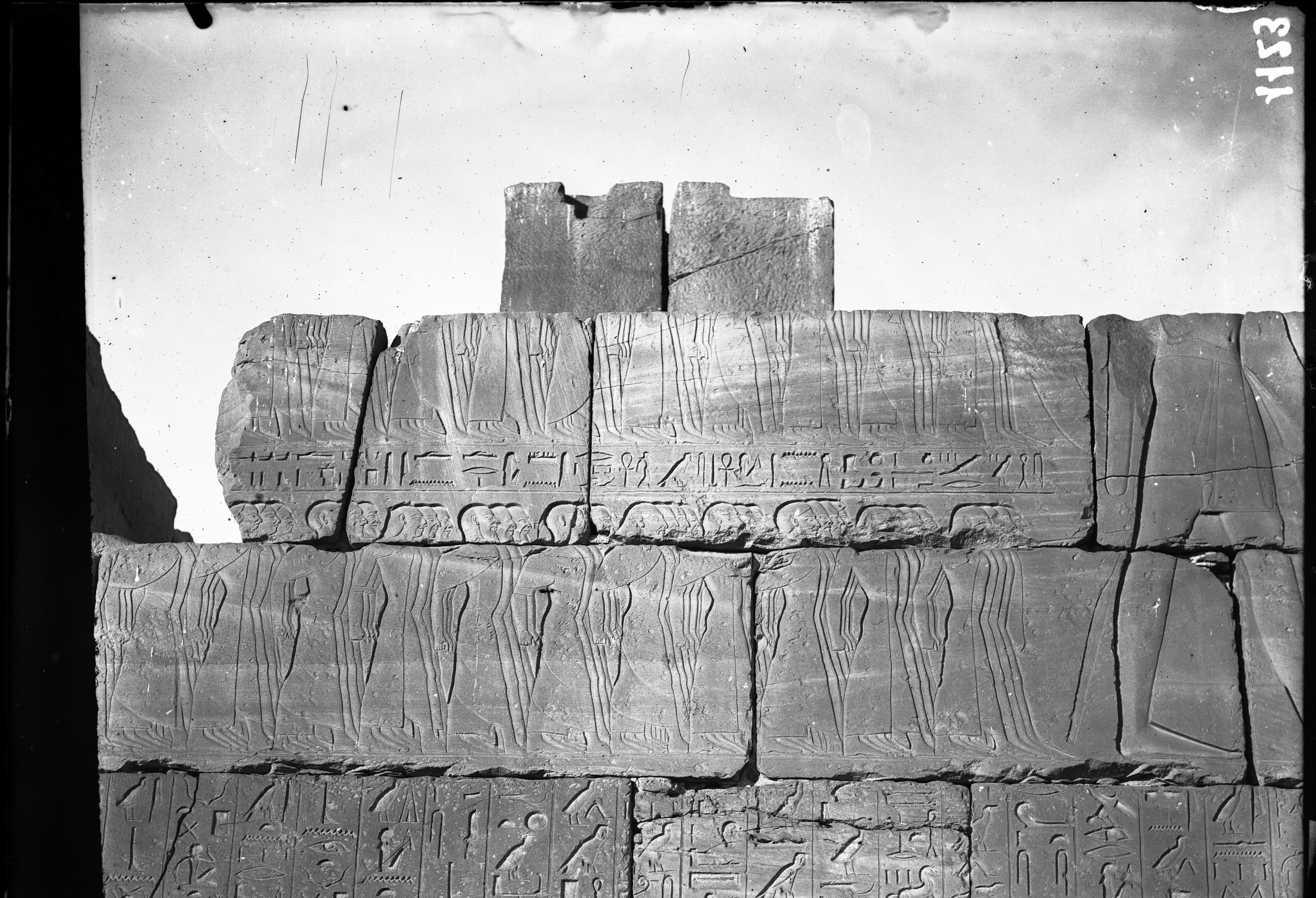
Karnak Battle Reliefs of Ramesses II (Kadesh)
Late Bronze Age monumental carvings documenting the Battle of Kadesh, contextualizing Egyptian imperial power during Israel's formative period
 tablet
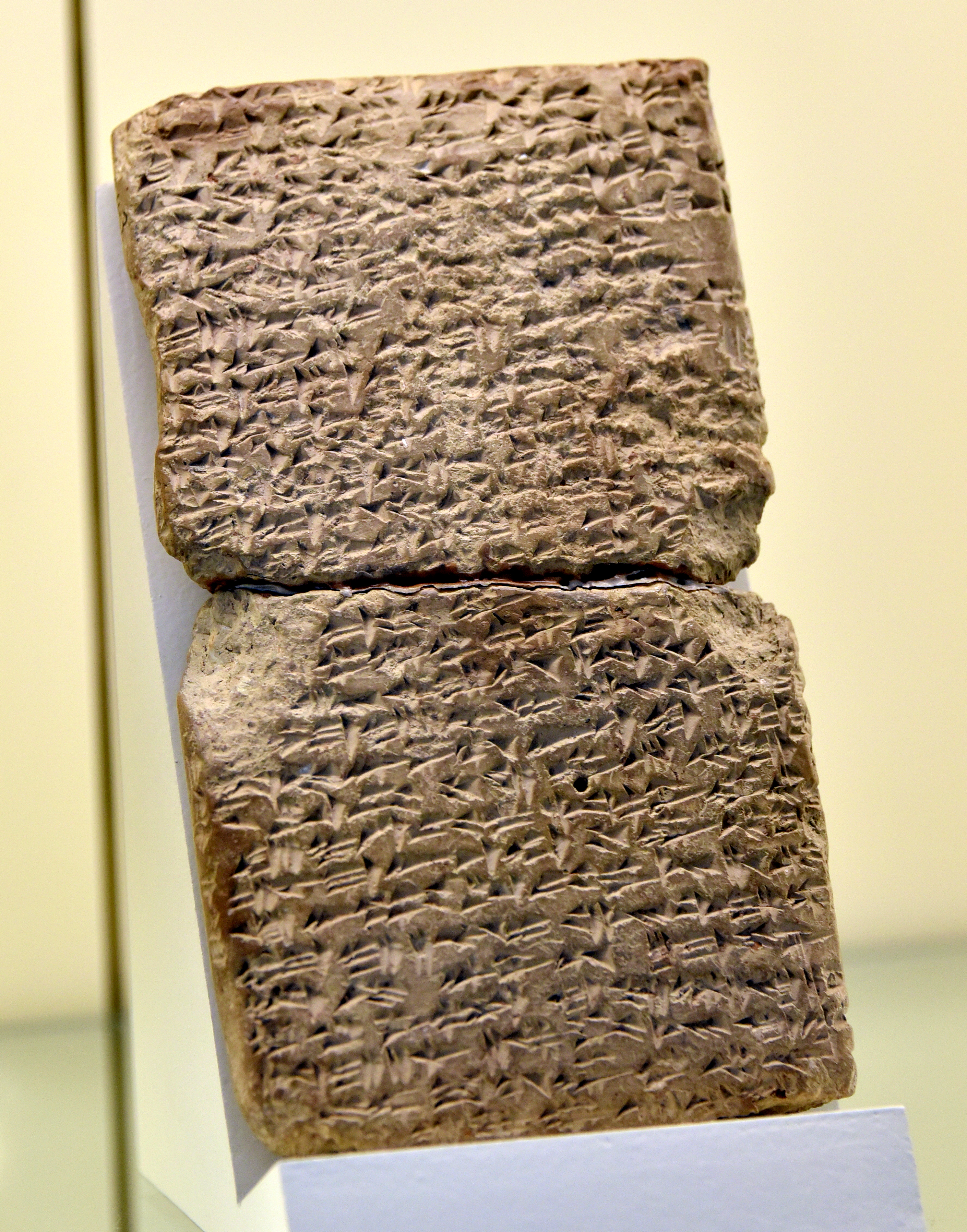
Tell el-Amarna Letter EA 286: Abdi-Heba of Jerusalem to Pharaoh
A fourteenth-century BC cuneiform tablet from Jerusalem's ruler provides the earliest non-biblical reference to the city and illuminates Canaan's political landscape before the Israelite monarchy
 tomb
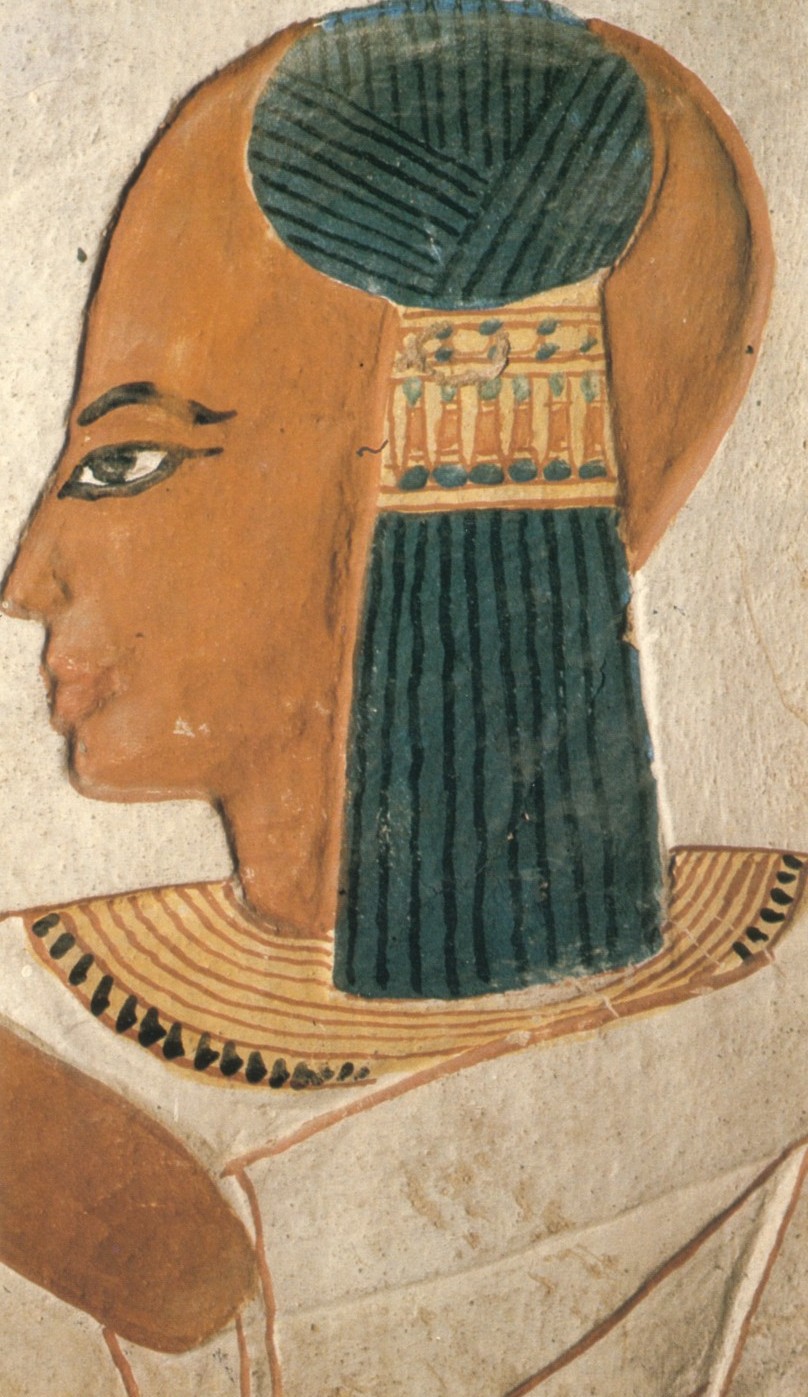
tombThe Tomb of Khaemwaset
Tomb of Ramesses II's fourth son, the earliest documented restorer of ancient monuments and a figure illuminating Egyptian court culture contemporary with the Exodus tradition
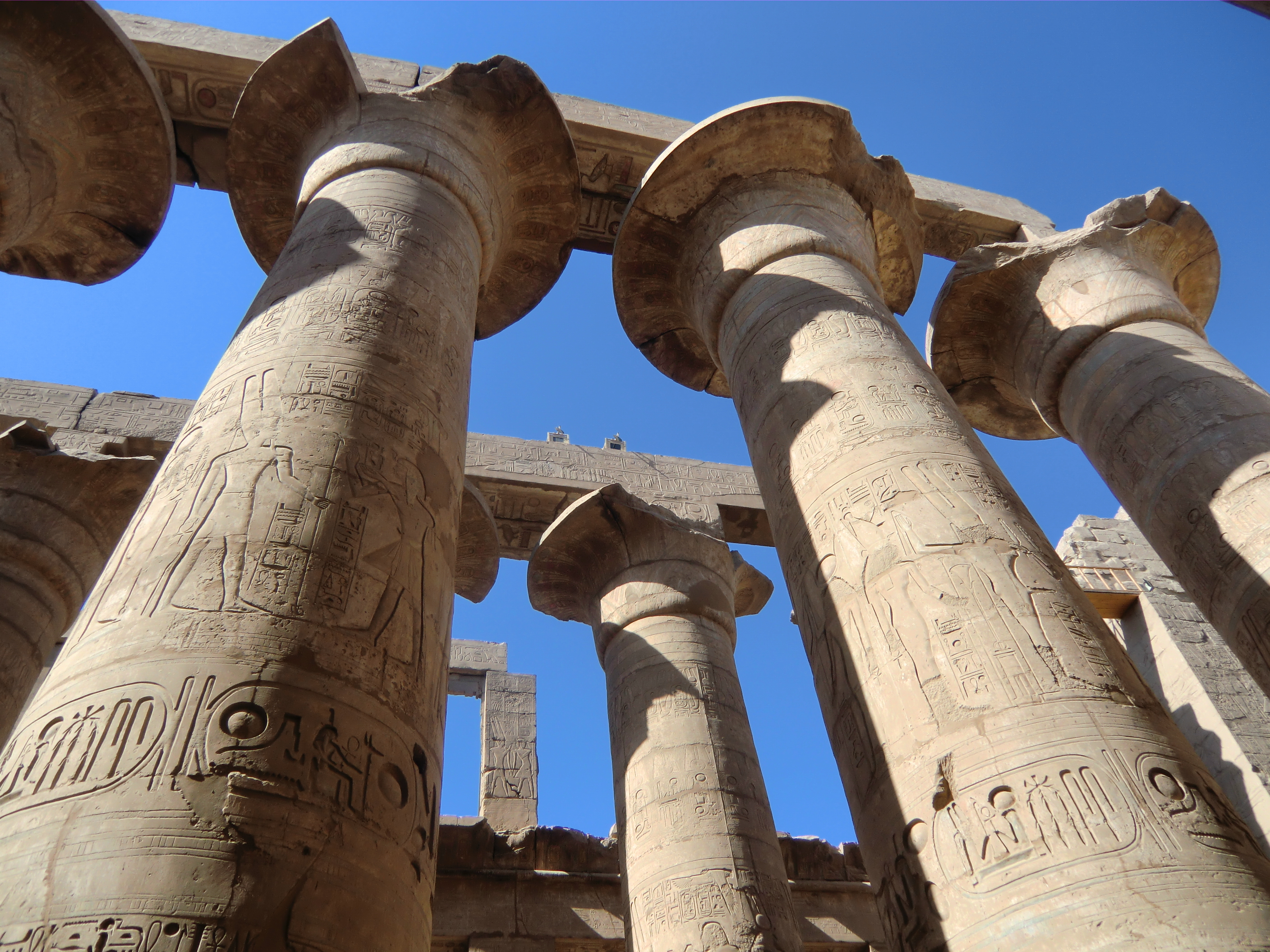 egyptian
The Karnak Geographic List of Seti I
A Nineteenth Dynasty relief in the Hypostyle Hall naming Canaanite cities — Beth-Shean, Yenoam, Pehel — at the dawn of Israelite settlement
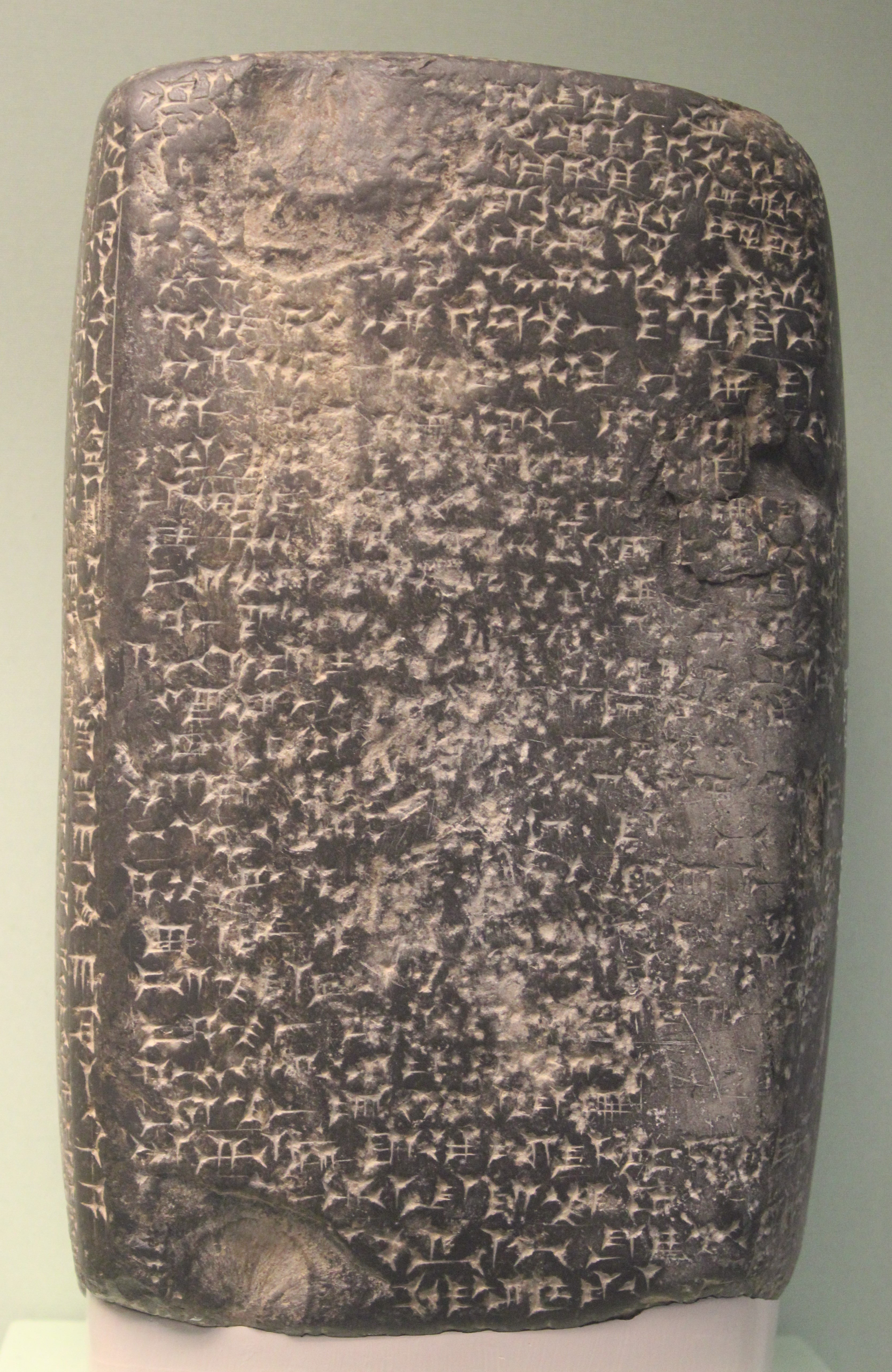 inscription
The Annals of Tukulti-Ninurta I
Middle Assyrian royal inscription documenting the conquest of Babylon and the deportation of the Kassite king, illuminating ancient Near Eastern imperial ideology
.jpg) inscription
inscriptionThe Merneptah Stele
The earliest extra-biblical mention of Israel
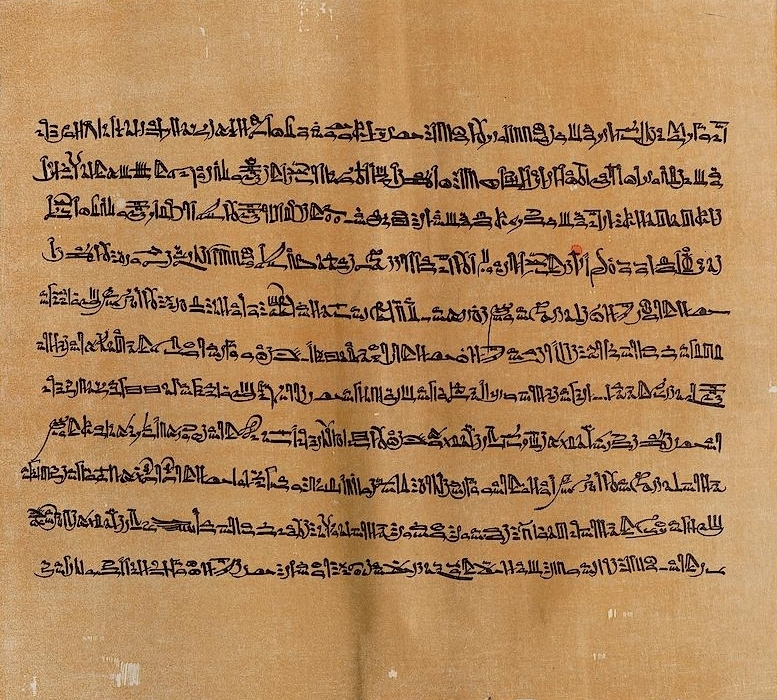 papyrus
Papyrus Harris I — Ramesses III Monumental Papyrus
The longest surviving ancient Egyptian papyrus, recording Ramesses III's campaigns against the Sea Peoples and earliest extra-biblical references to the Philistines
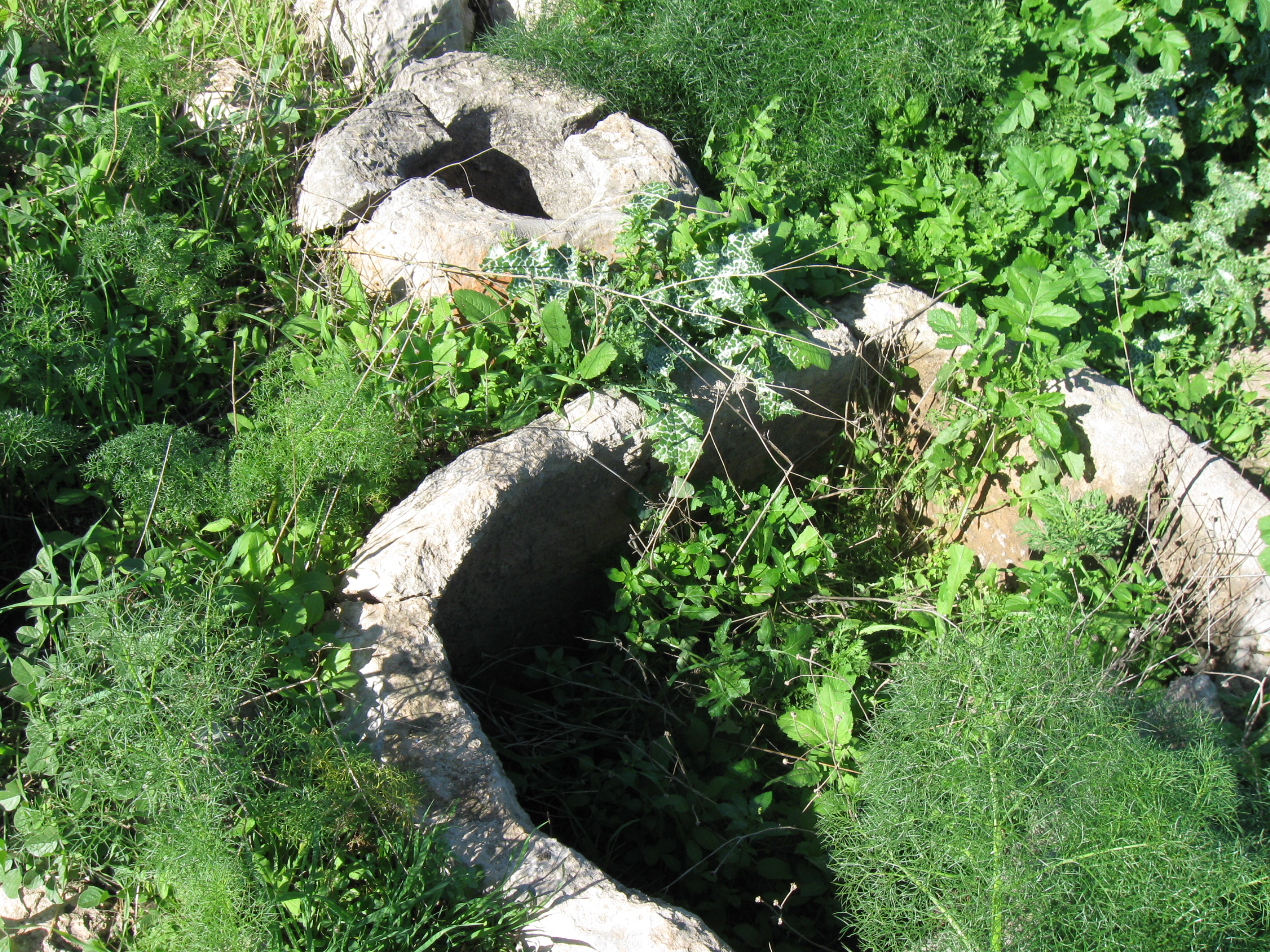 site
siteTel Miqne (Ekron)
Major Philistine pentapolis city — one of the largest Iron Age sites in Israel, with bichrome pottery, ivory artifacts, the largest known ancient olive-oil industrial complex, and the city named in 1 Samuel as the destination of the captured ark
 seal
sealThe Yerubbaal Inscription
A pottery sherd from Khirbet al-Ra'i bearing the proto-Canaanite name Yerubaal — Gideon's alternate name in Judges 6 — dated to roughly 1100 BC
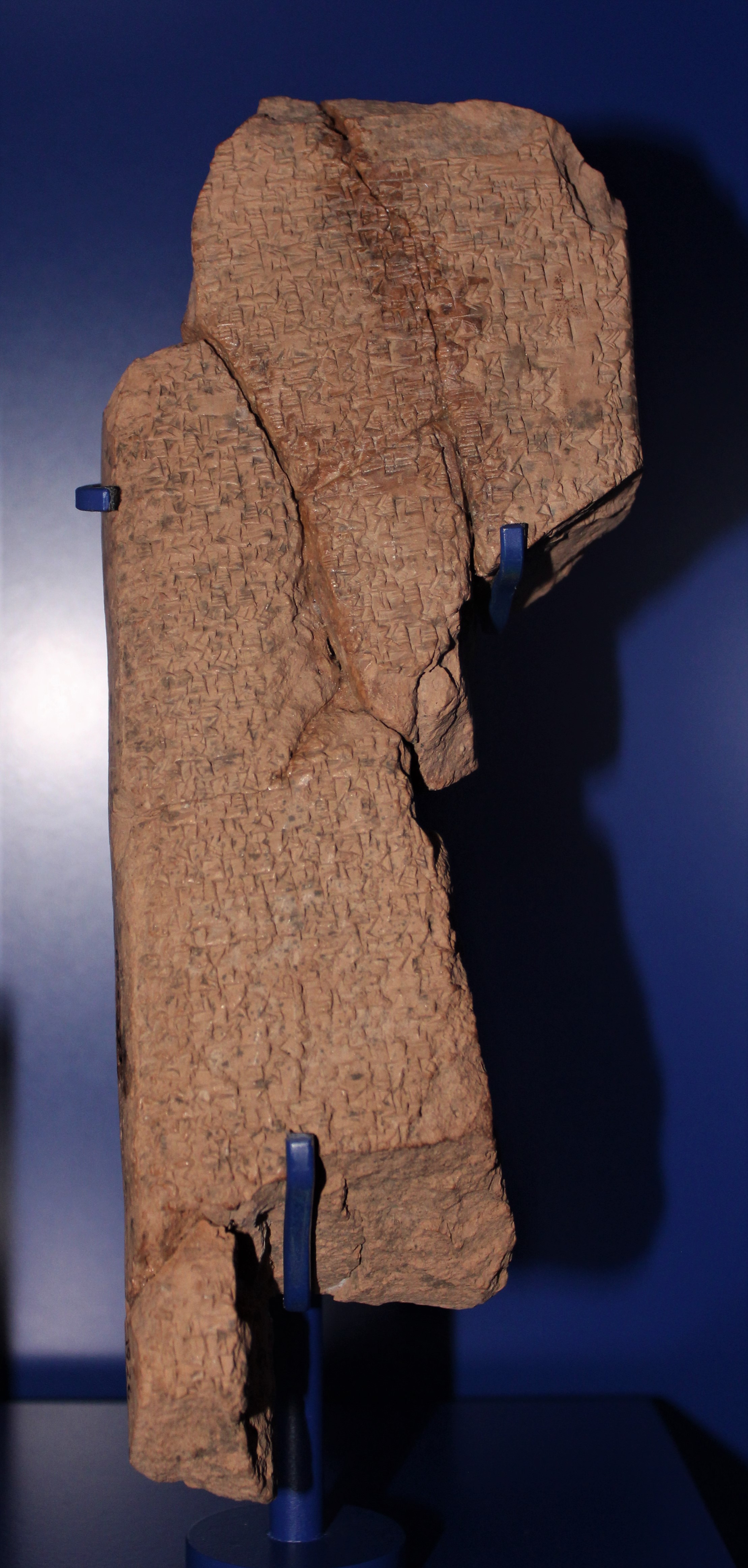 tablet
Enuma Elish — Babylonian Creation Epic
Ancient Mesopotamian cosmogony whose literary parallels with Genesis 1 illuminate the conceptual world of biblical creation accounts
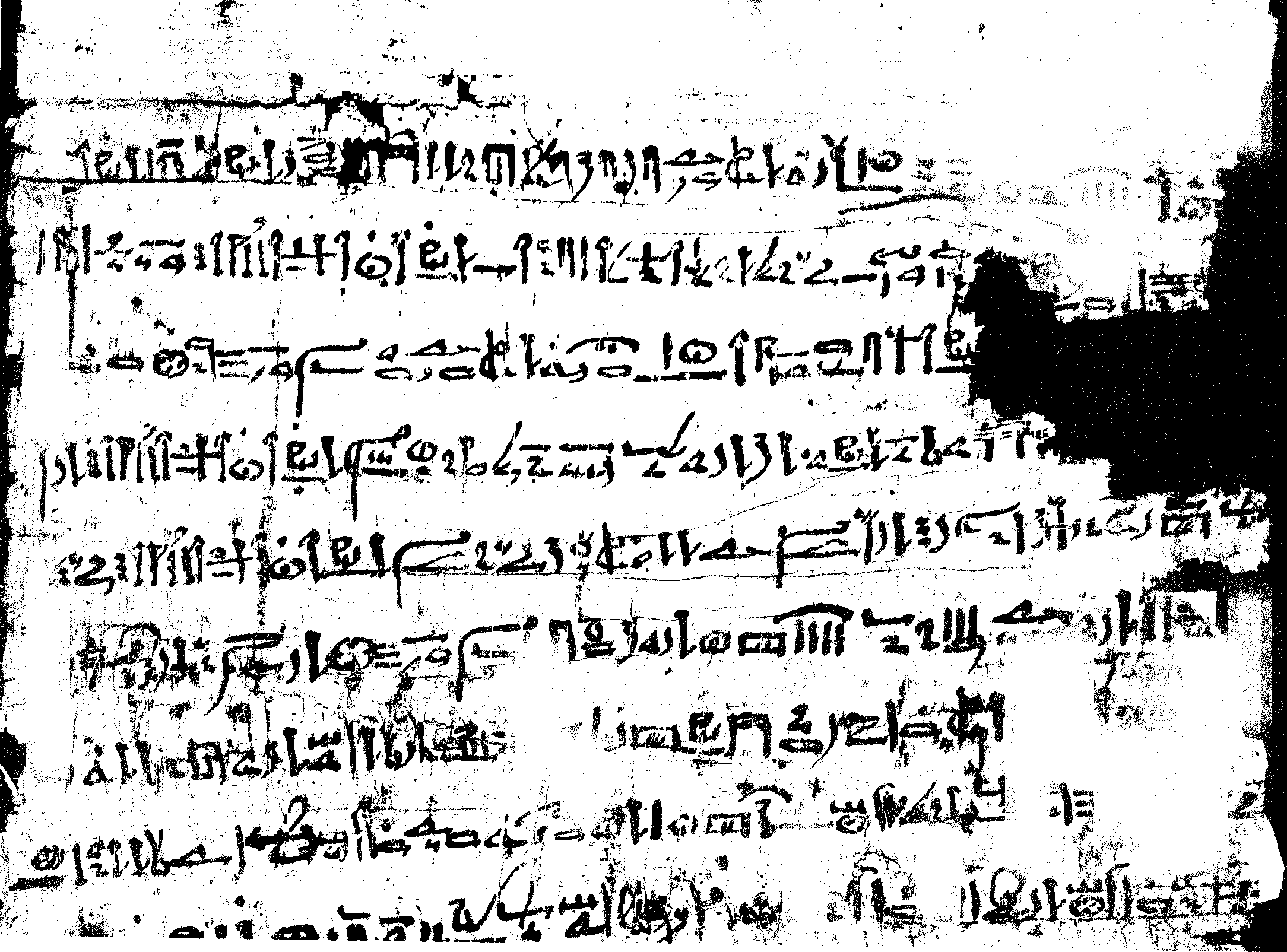 egyptian
The Wenamun Report (Papyrus Pushkin 120)
A late Twentieth Dynasty diplomatic narrative of Egyptian decline in the Levant — the geopolitical world of the Israelite settlement and Judges
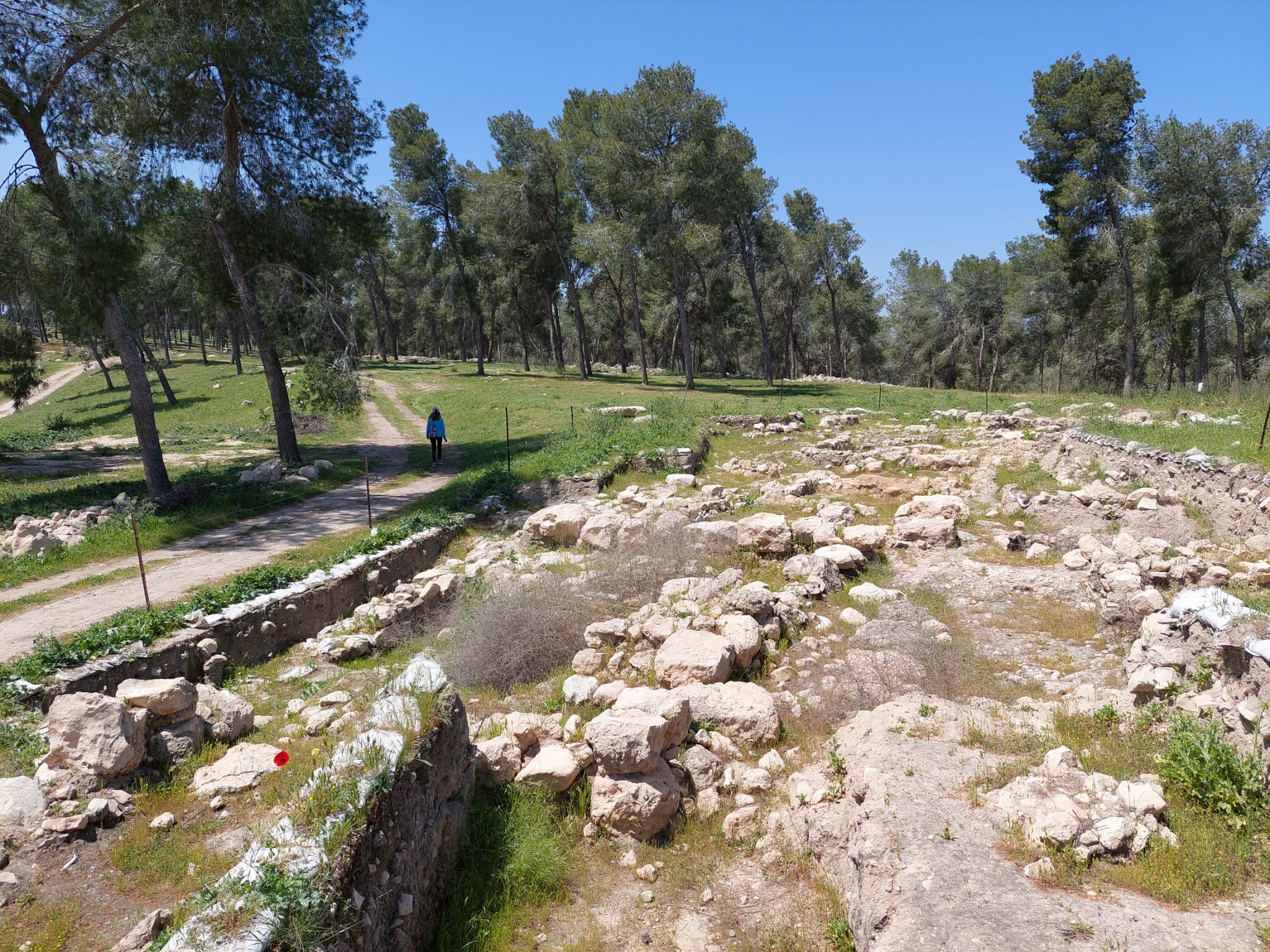
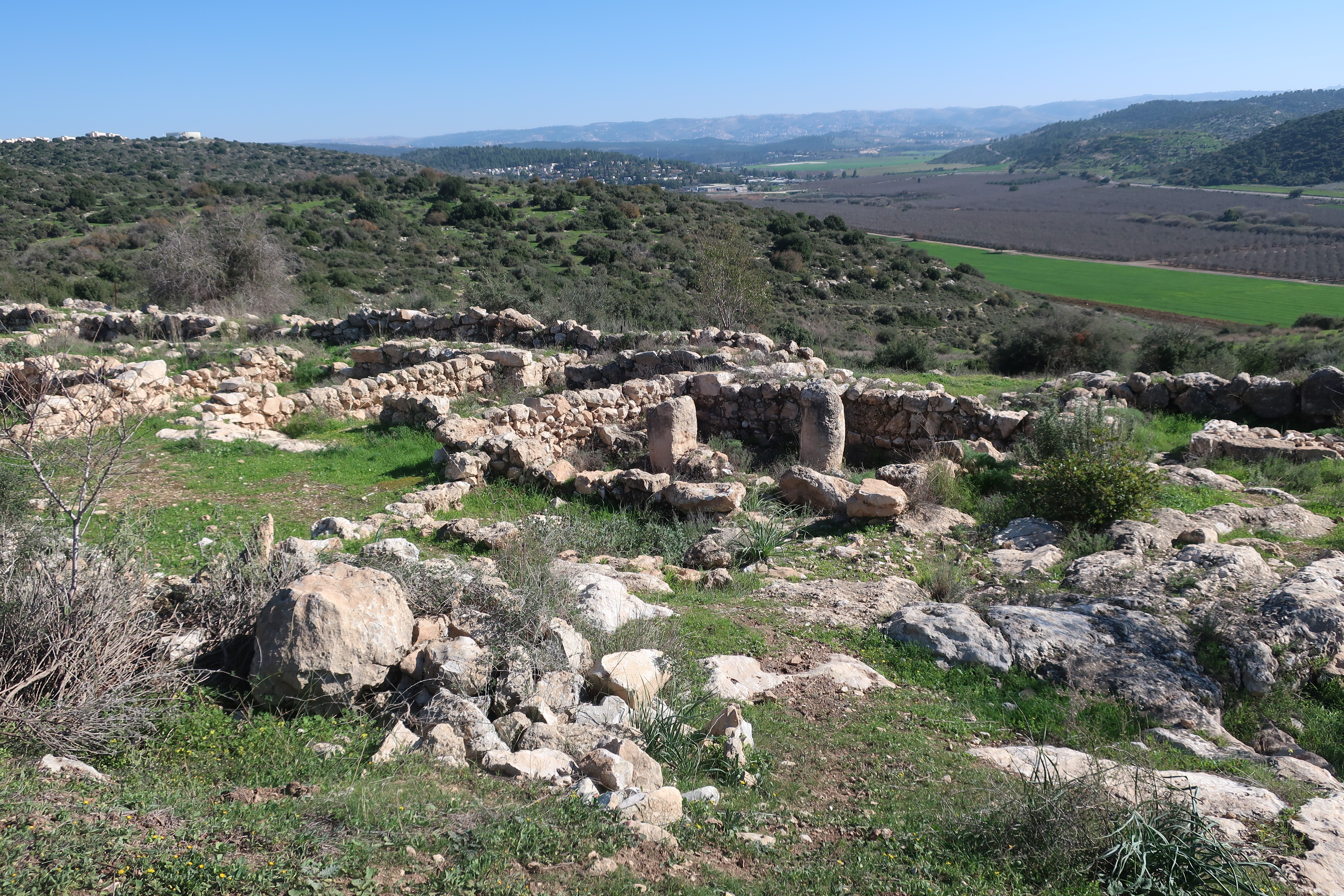 site
siteKhirbet Qeiyafa
Fortified Iron Age IIA site overlooking the Elah Valley — carbon-dated to c. 1020–980 BC, with two city gates, a casemate wall, and the strongest current archaeological signature of Davidic-period Judahite administration
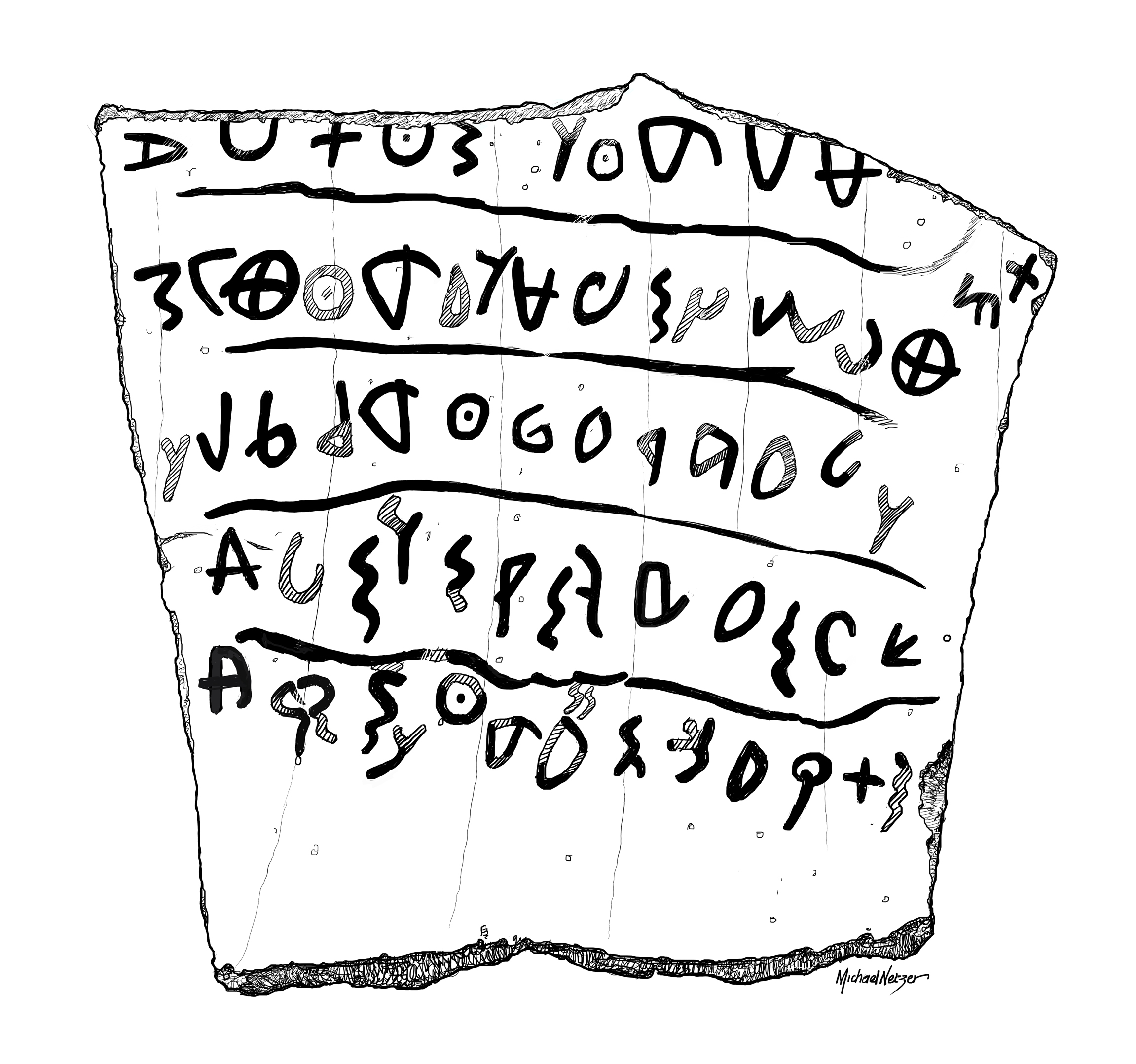 inscription
The Khirbet Qeiyafa Ostracon
A five-line proto-Canaanite inscription on a pottery sherd from the Elah Valley fortress — among the earliest known Hebrew texts, dated to the time of David
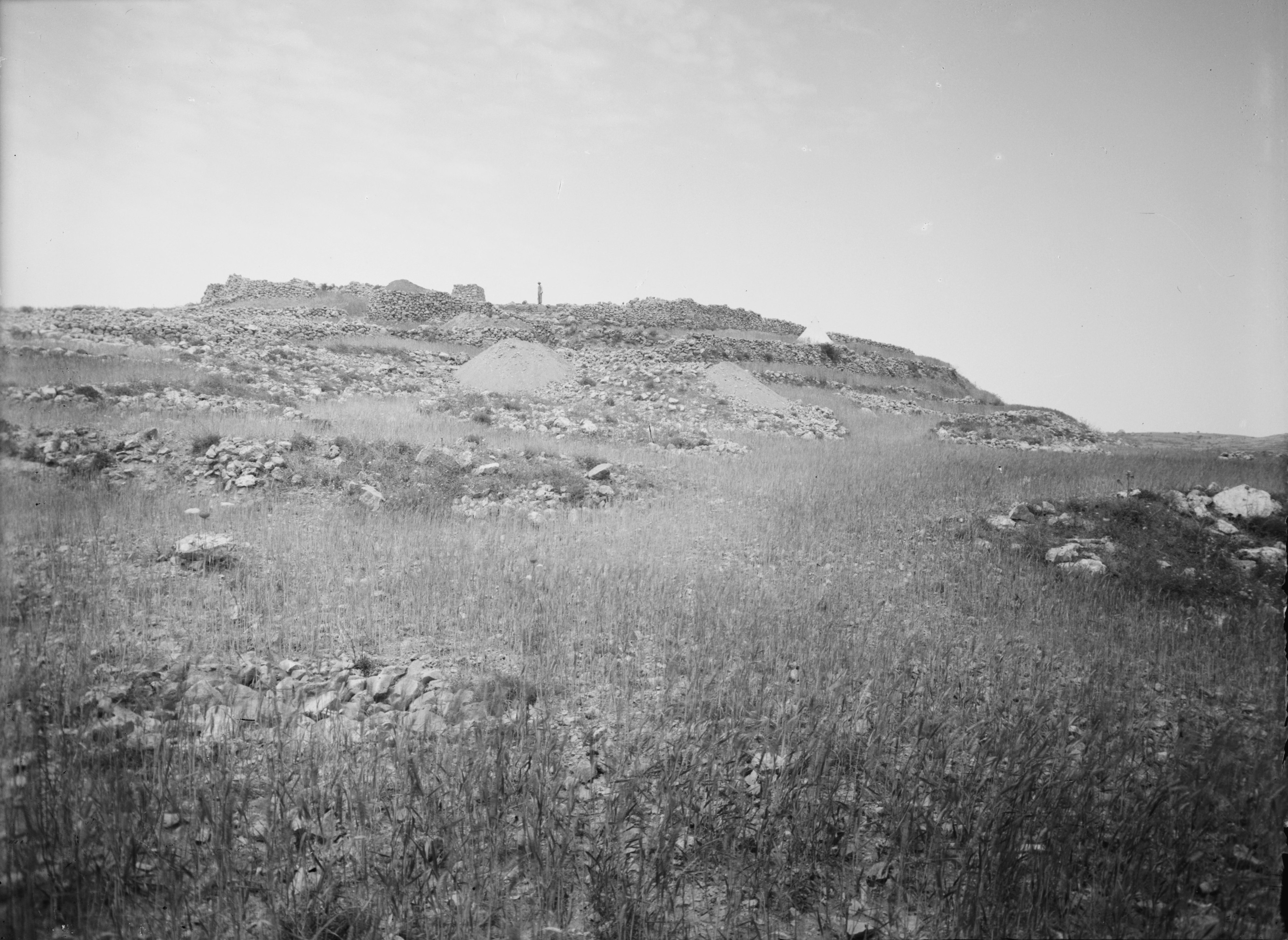
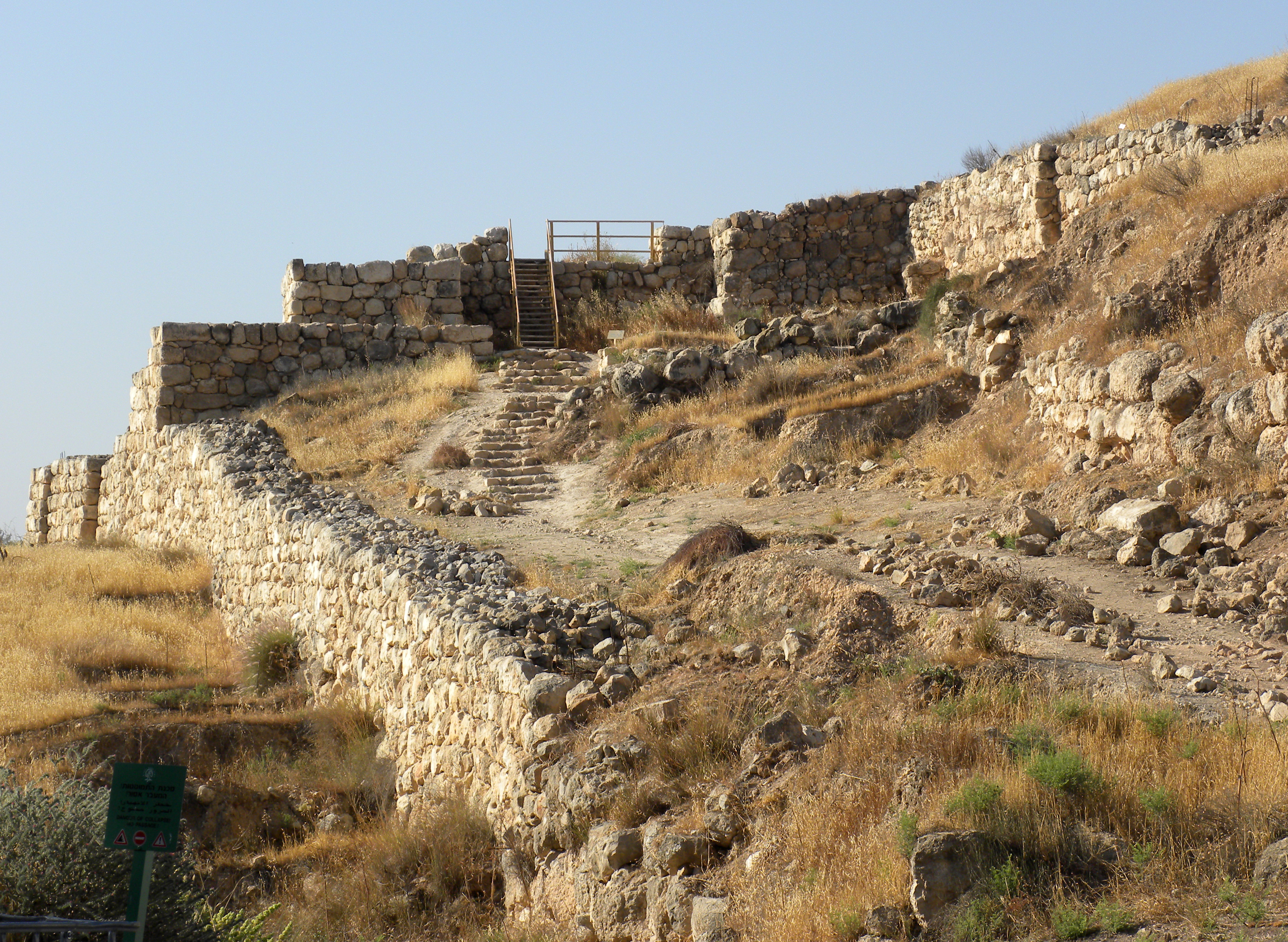 site
siteTel Lachish
Judah's second city — the Stratum III destruction matches Sennacherib's 701 BC siege and the Lachish Reliefs from Nineveh; Stratum II matches the 586 BC Babylonian campaign
 seal
sealYaazaniah Servant of the King Seal
A late First Temple-period jasper seal from Mizpah bearing a royal steward's name that may correspond to a figure named in 2 Kings 25:23
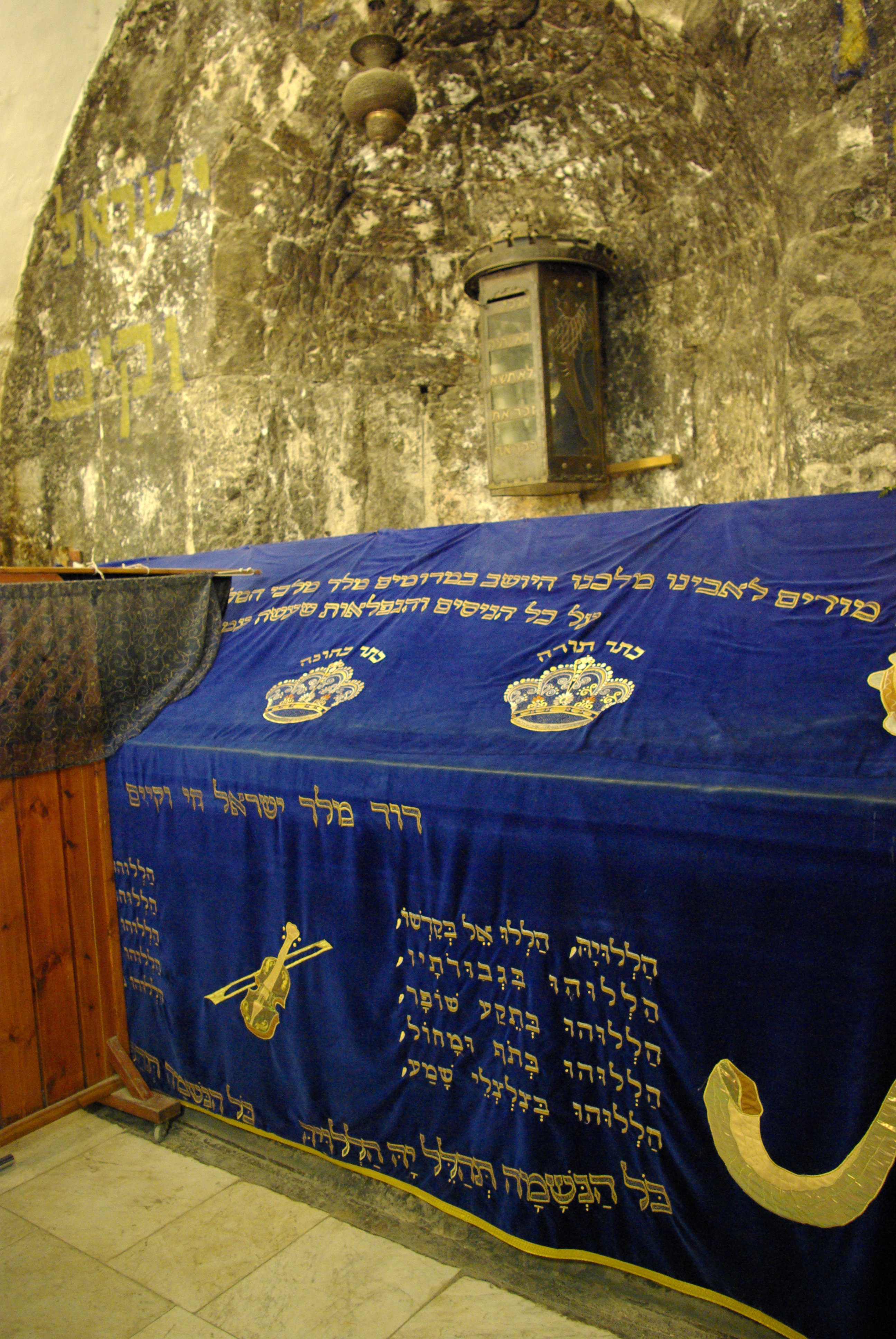 tomb
tombThe Tomb of David (so-called)
The medieval cenotaph on Mount Zion, beneath the room of the Last Supper — venerated since the Crusader period, but in the wrong location
.jpg) inscription
inscriptionThe Pomegranate Ivory
A thumb-sized carved pomegranate bearing a contested Hebrew inscription — once announced as the only artifact from Solomon's Temple, declared a forgery in 2004, and disputed ever since
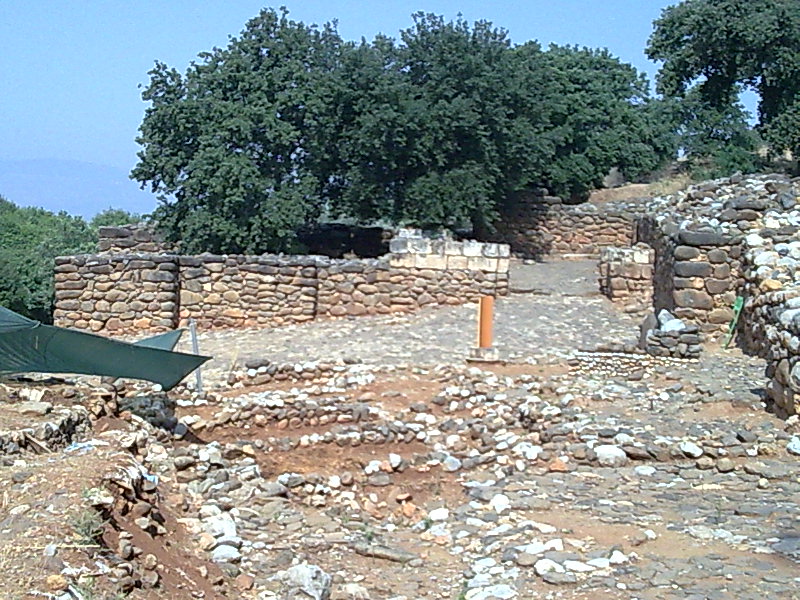 site
siteTel Dan
Northernmost city of biblical Israel — Jeroboam I's high place with the four-horned altar, the cult complex of the golden calf, and the ritual installations of the breakaway northern kingdom
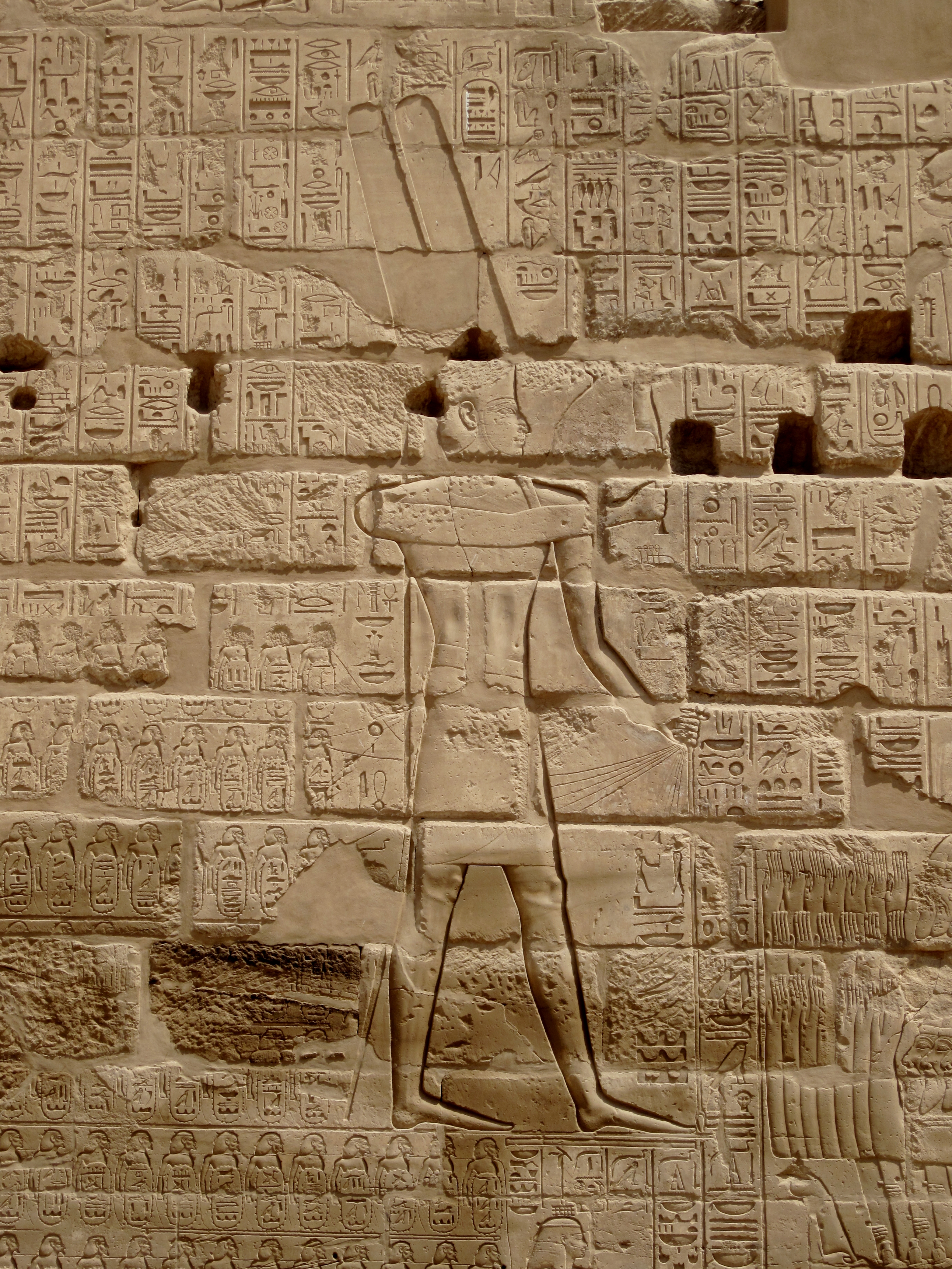 egyptian
The Bubastite Portal
Pharaoh Sheshonq I's relief at Karnak listing 154 captured Canaanite cities — the Shishak campaign of 1 Kings 14
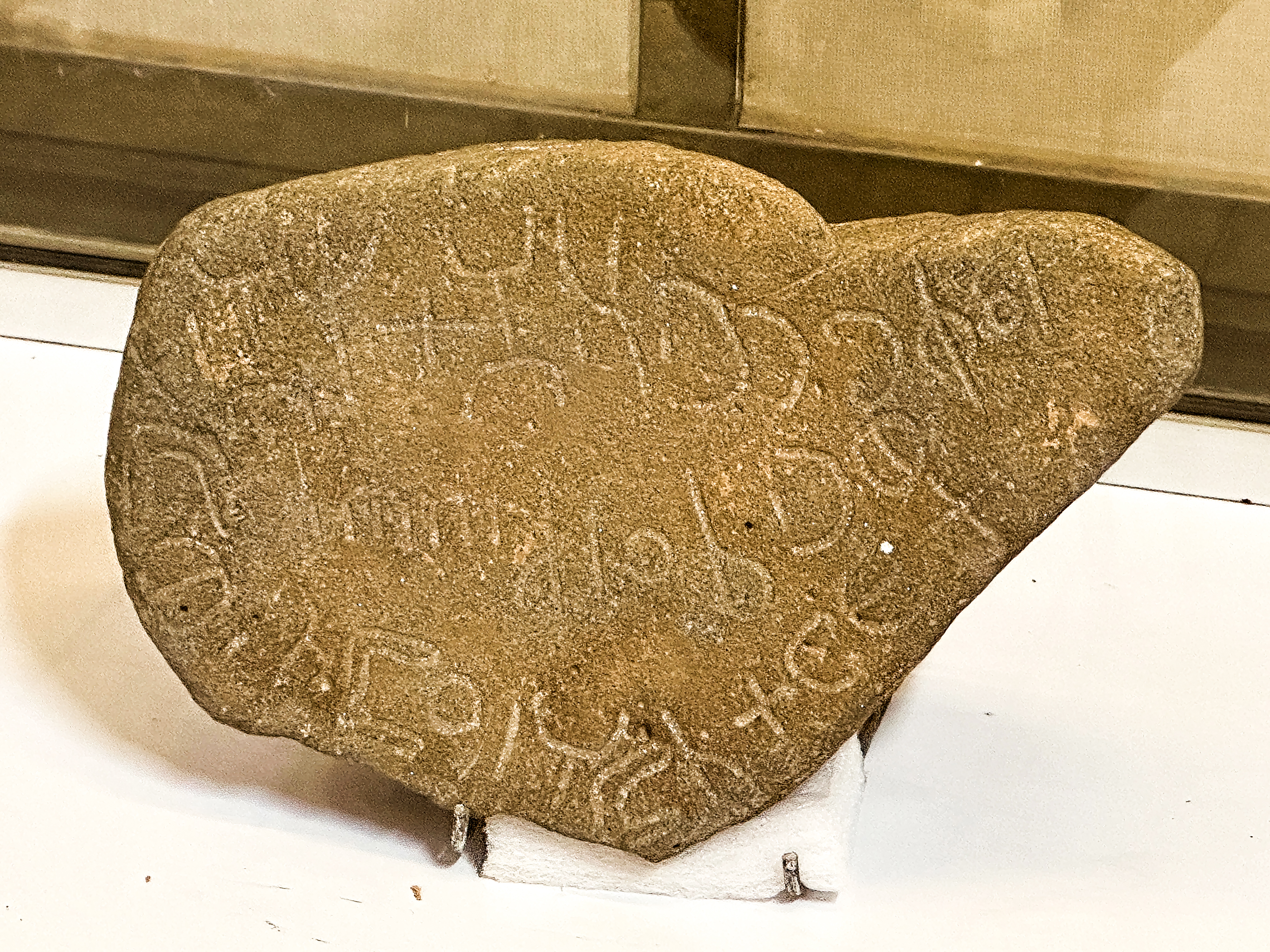 seal
sealAdoni-Nur Servant of Ammi-Nadab Seal
Iron Age II Ammonite bulla attesting a named royal steward and king, corroborating biblical references to Ammonite administrative culture
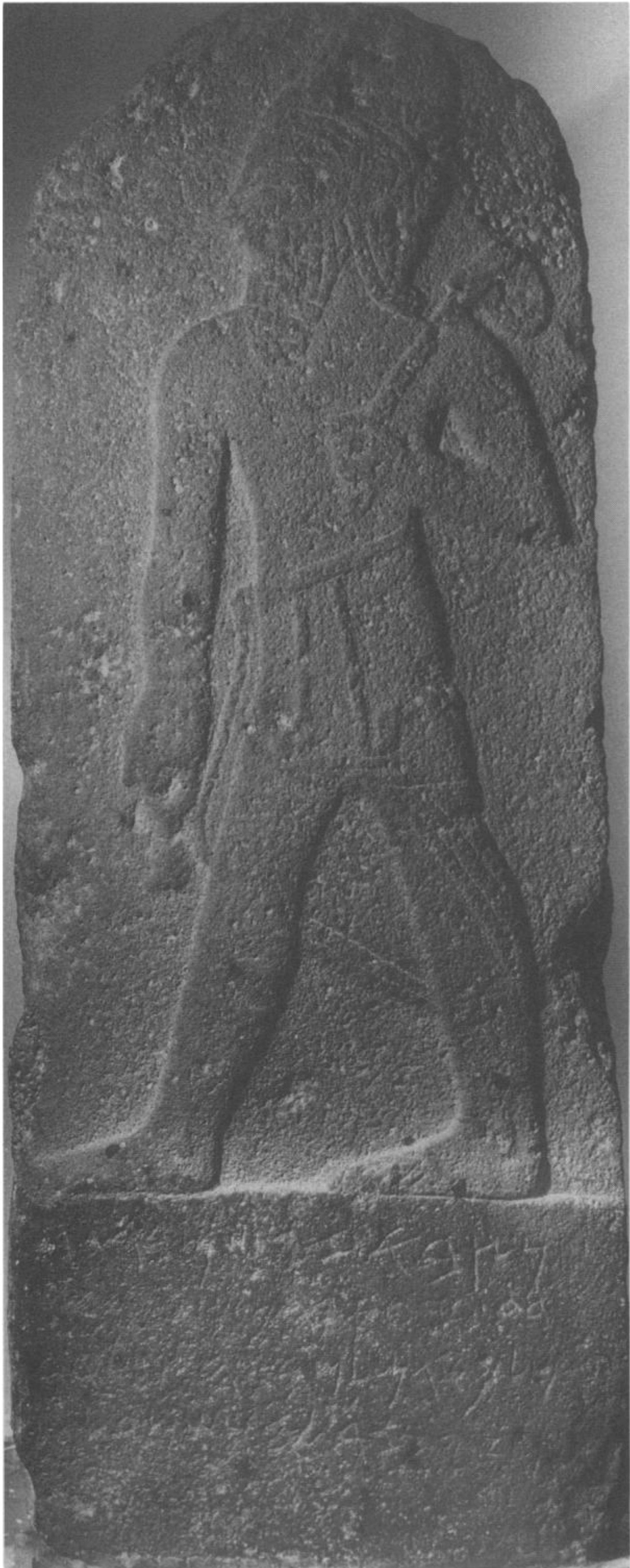 inscription
The Bar-Hadad Melqart Stele
A basalt stele dedicated by a king of Aram-Damascus to the Tyrian god Melqart — recovered north of Aleppo in 1939, with a contested patronymic that may name a king of 1 Kings
 inscription
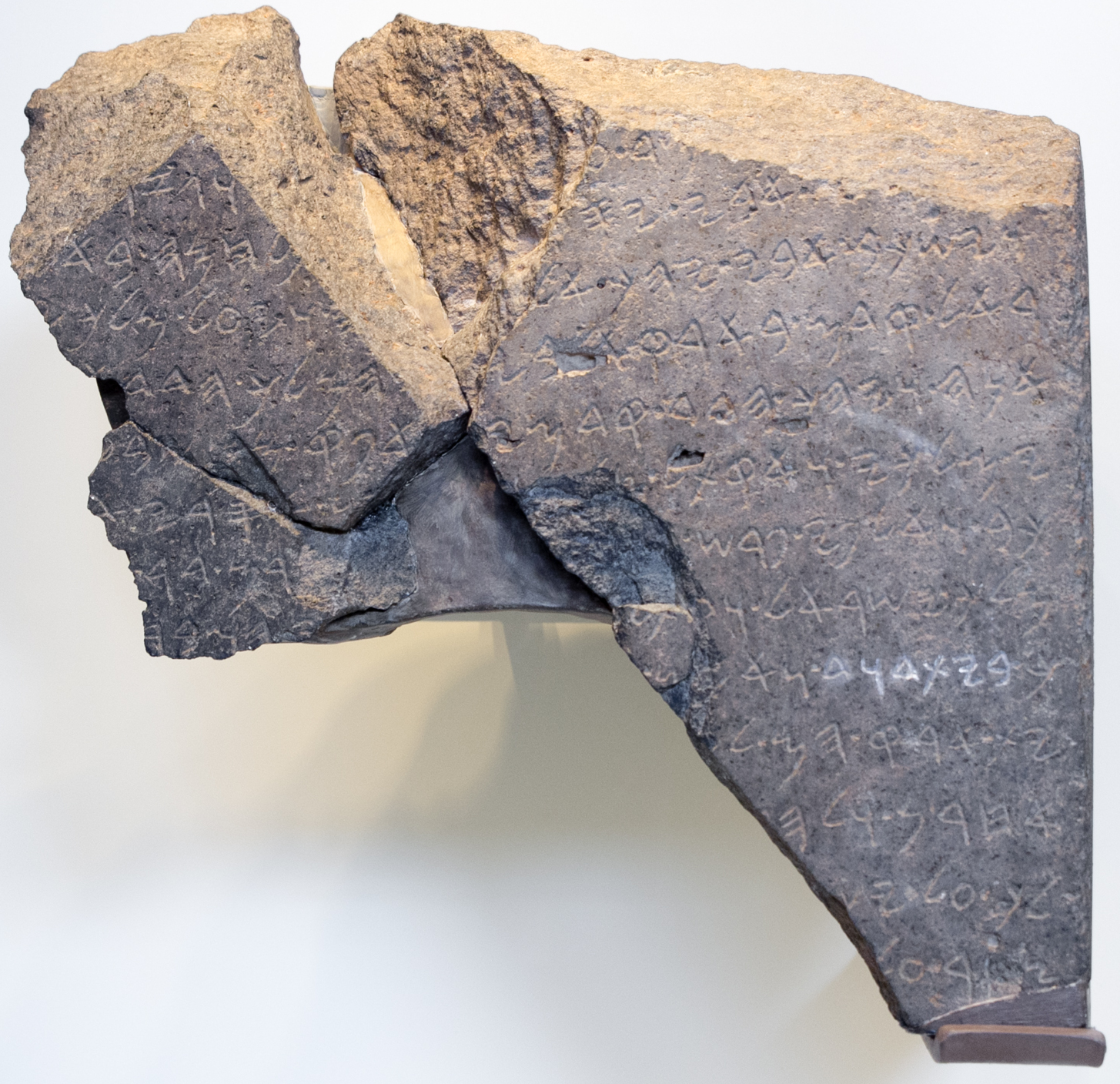
The Tel Dan Stele
A 9th-century BC Aramean inscription naming the "House of David"
 inscription
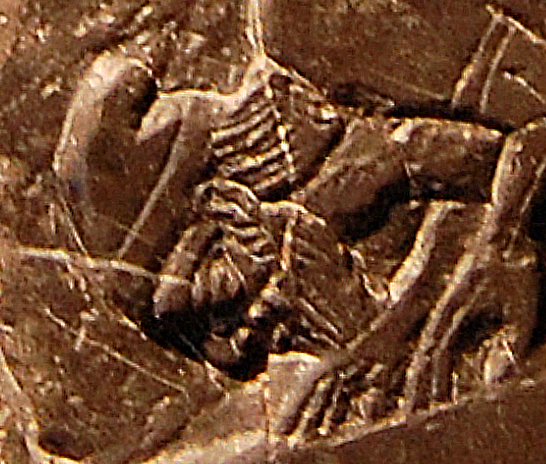
The Black Obelisk of Shalmaneser III
The only known ancient depiction of an Israelite king — Jehu of Israel prostrate before the Assyrian throne, 841 BC
 inscription
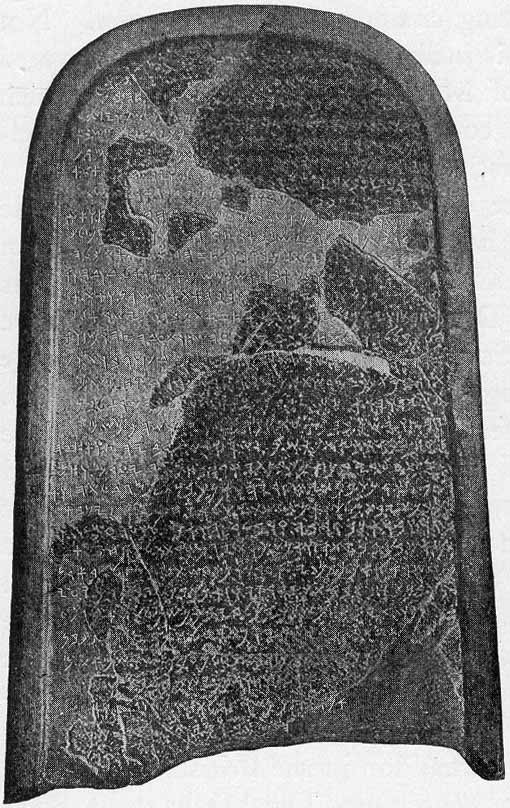
The Mesha Stele
King Mesha of Moab confirms biblical events
.jpg) seal
sealShema Servant of Jeroboam Seal
Eighth-century BC jasper seal from Megiddo bearing a roaring lion, identifying a royal steward of King Jeroboam II of Israel
._Foundations_of_a_tower_LOC_matpc.05089.jpg) seal
sealThe Isaiah Bulla: Ophel Seal Impression of "Yeshayahu Nvy"
A late 8th-century BC clay bulla from Jerusalem bearing a name plausibly linked to the prophet Isaiah, discovered directly adjacent to a seal of King Hezekiah
 seal
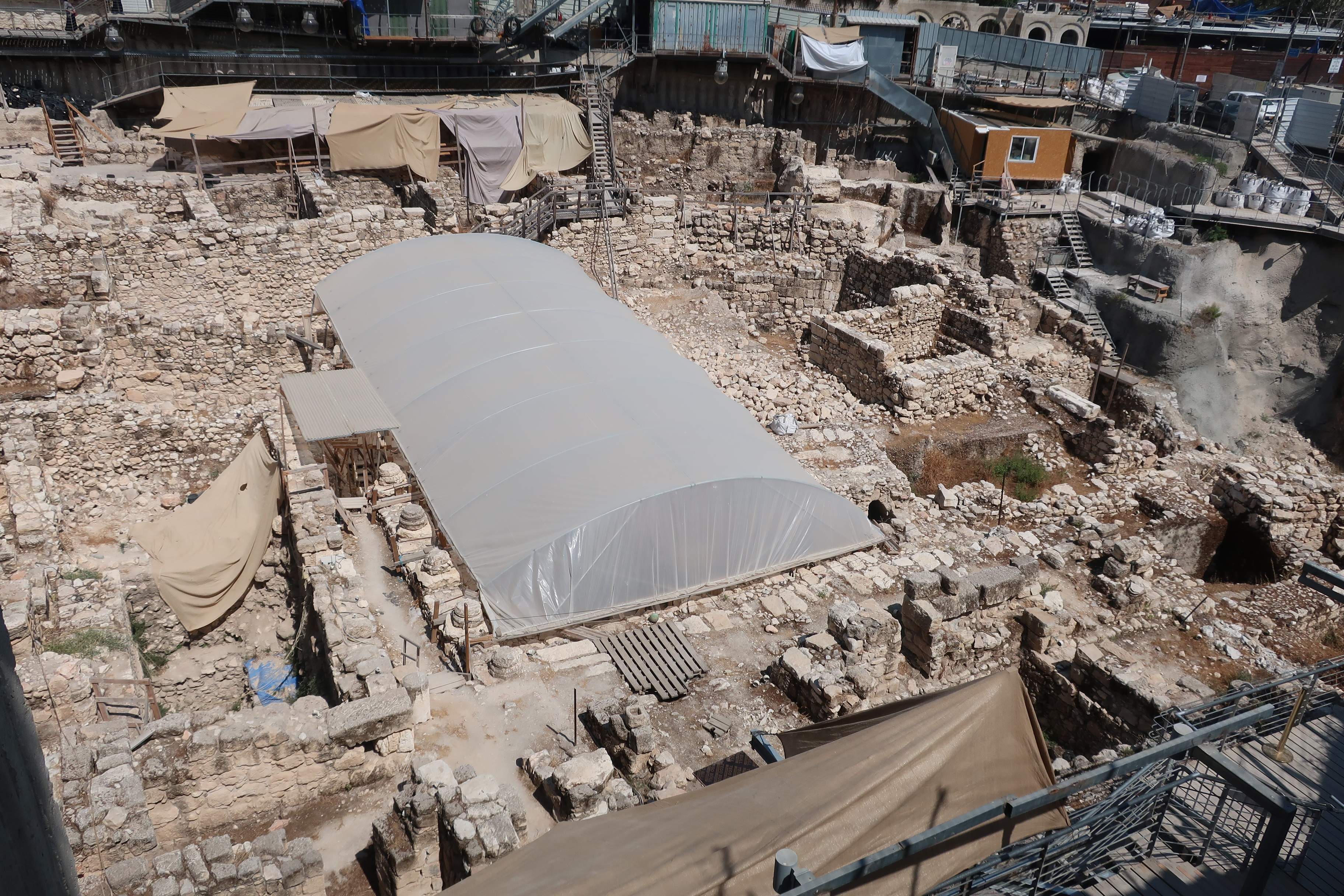
sealShebnayahu Servant of the King Seal
Late Iron Age bulla bearing a royal steward's name, corroborating the administrative titles and personal names attested in the Hebrew Bible
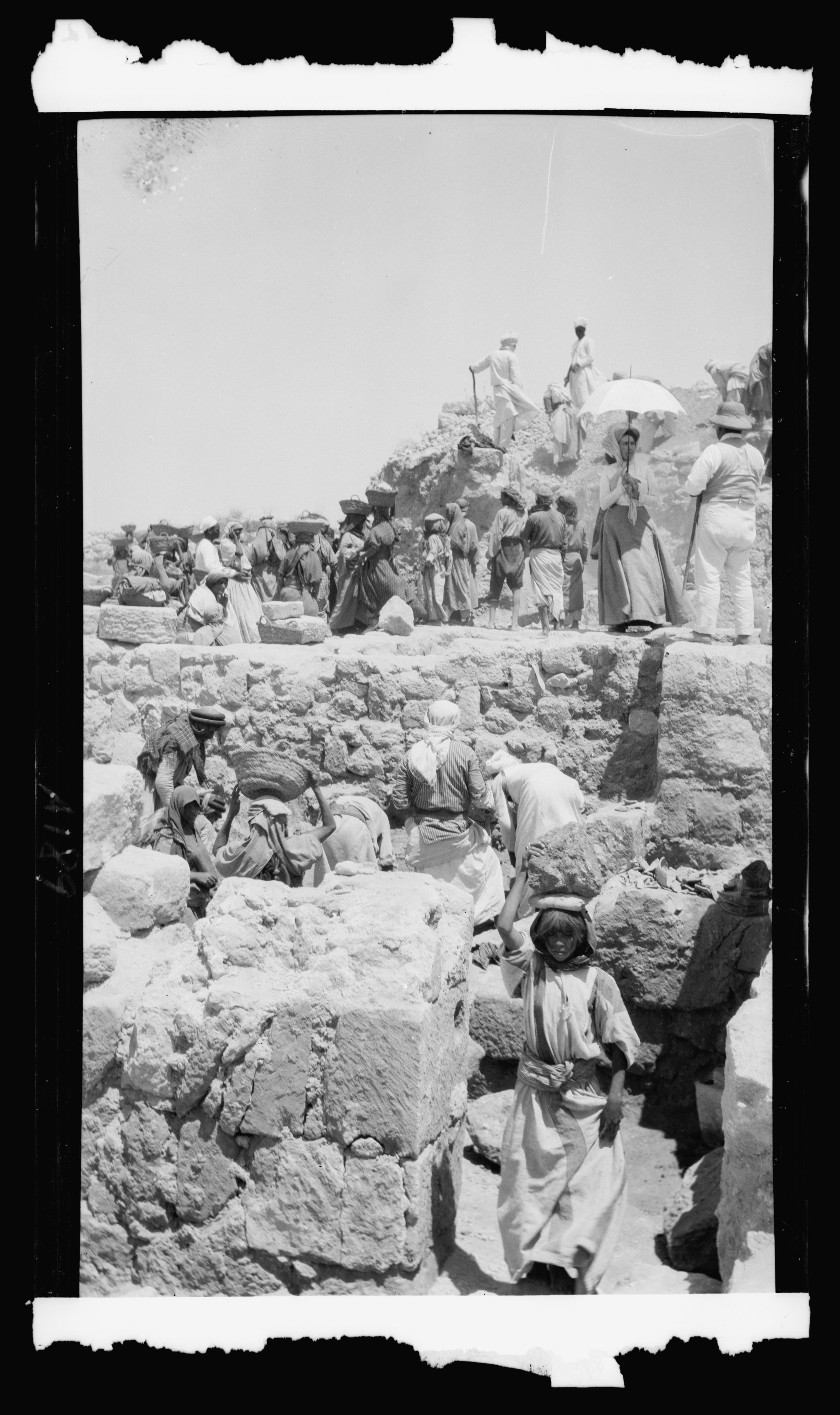 inscription
The Samaria Ostraca
Eighth-century BC administrative tax receipts from the Northern Kingdom capital that illuminate Israelite scribal practice, clan geography, and personal names attested in the Hebrew Bible
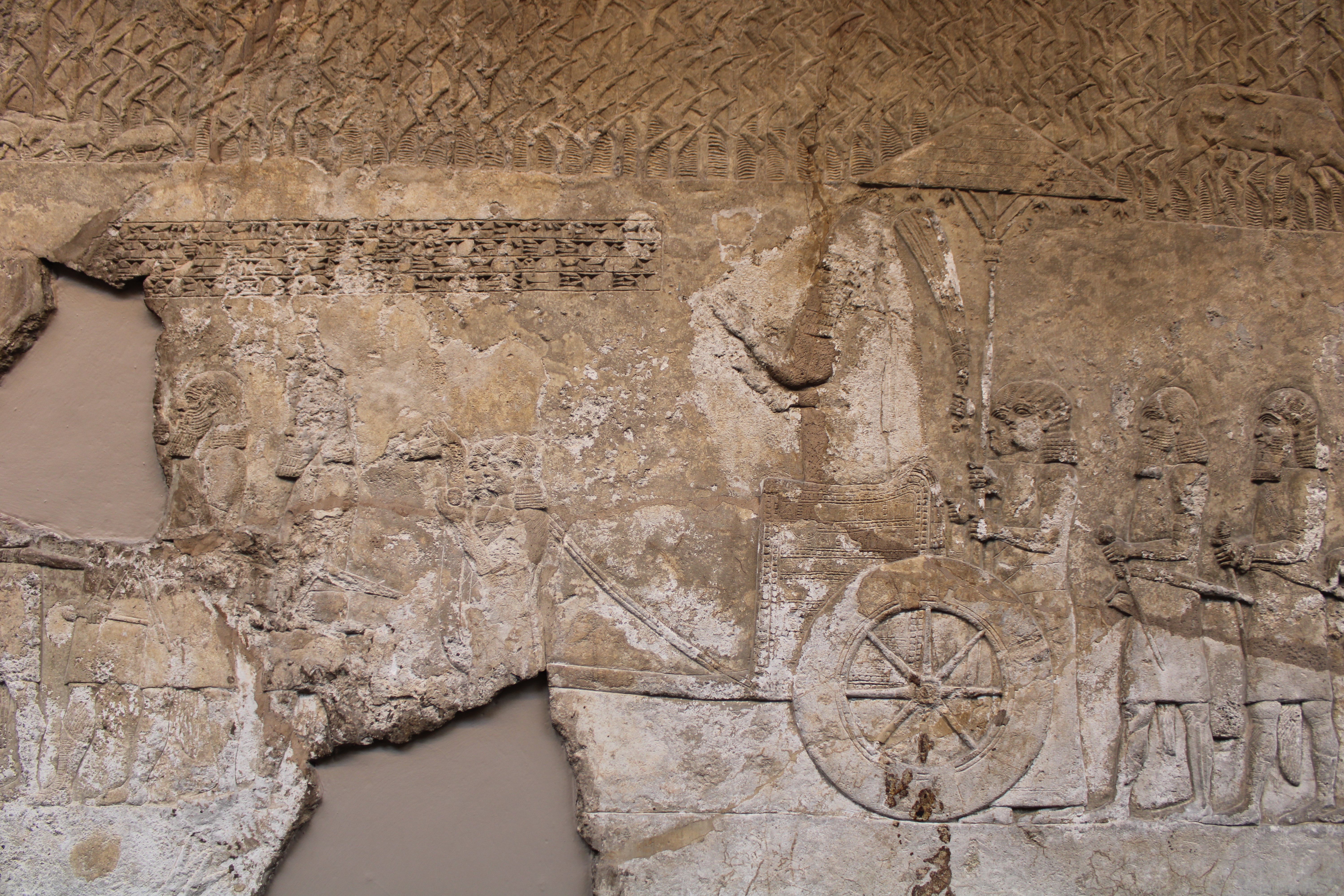 inscription
Sennacherib's Annals from the Bull Inscriptions — Alternative Recension of the 701 BC Campaign
Assyrian royal inscriptions on colossal stone bulls recording Sennacherib's western campaign, providing a direct Assyrian parallel to the biblical account of the siege of Jerusalem
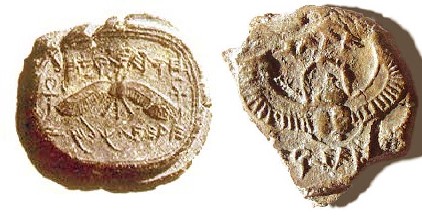 seal
sealThe Hezekiah Bulla
The first archaeologically recovered seal impression of a Davidic king — clay sealing of Hezekiah of Judah, recovered in 2009 from the Ophel
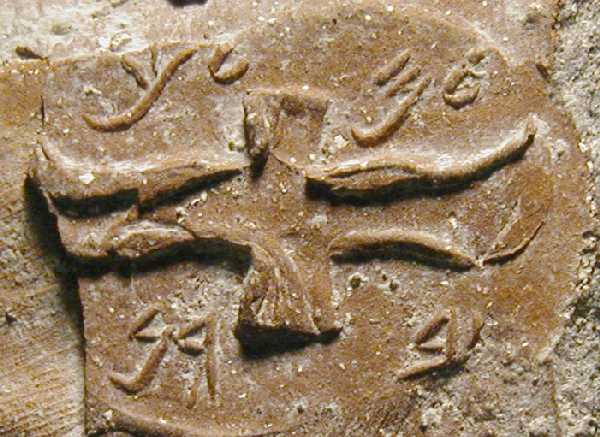 seal
sealThe LMLK Seal Impressions
Over 2,000 royal jar-handle stamps from Hezekiah's preparations for the 701 BC Sennacherib invasion — the largest state archive recovered from First Temple Judah
 inscription
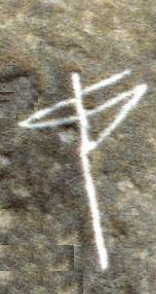
The Royal Steward Inscription
A late-eighth-century BC Hebrew lintel from a rock-cut tomb in the Silwan cemetery — possibly the tomb of the royal steward Shebna whose hubris Isaiah 22 rebuked
 site
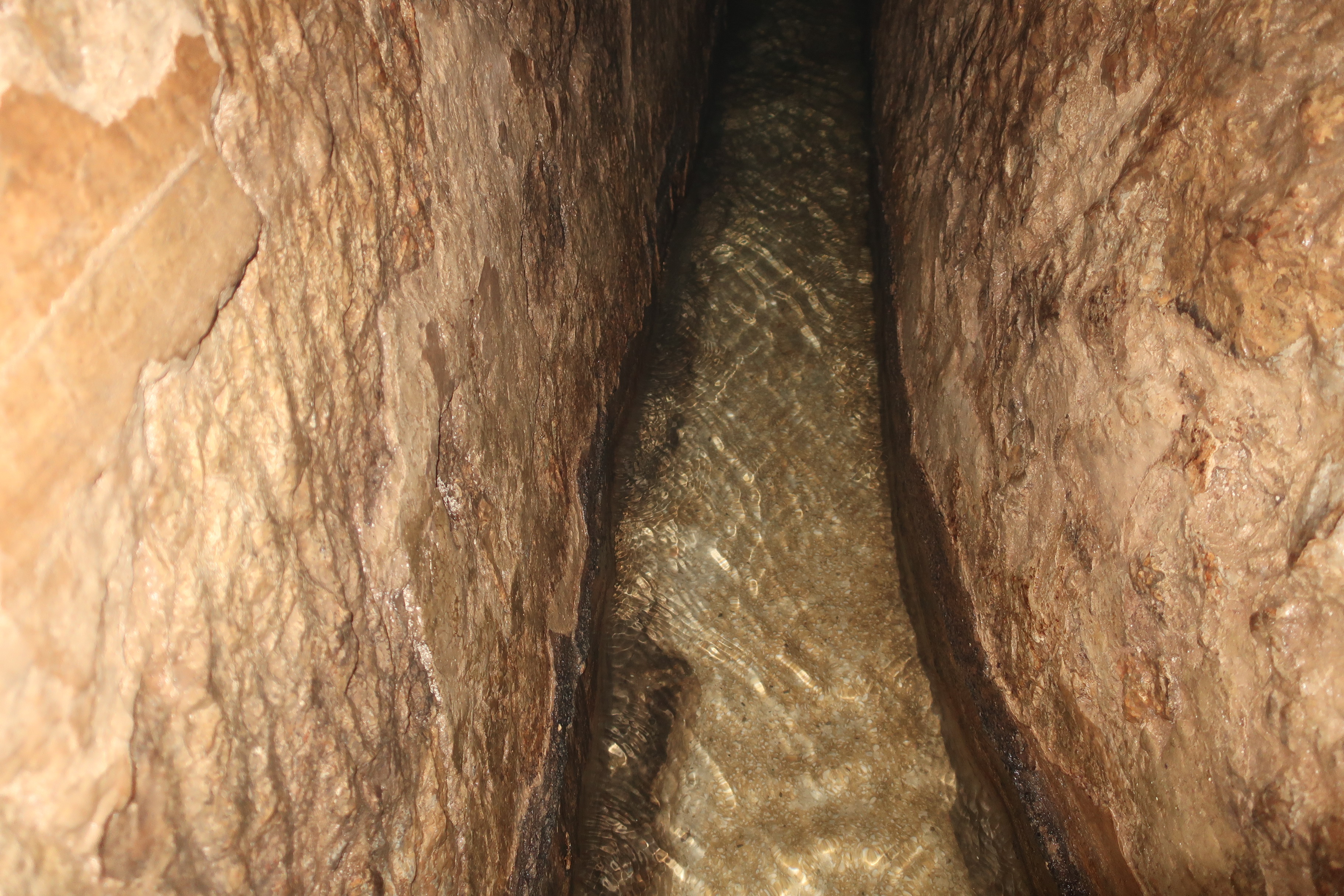
siteHezekiah's Tunnel
1,750 feet hand-cut through bedrock under Jerusalem
 inscription
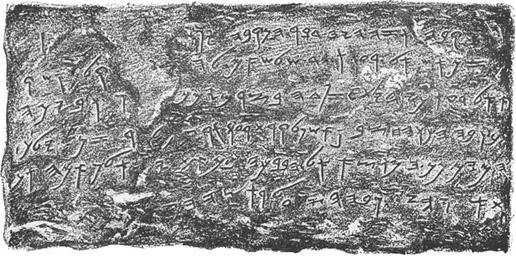
The Siloam Inscription
Hebrew engineers describe meeting in the middle
.jpg) tomb
tombThe Garden Tomb
The 1883 alternative to the Holy Sepulchre, proposed by Charles George Gordon — but the rock-cut tomb itself dates to the Iron Age, eight centuries before Christ
 inscription
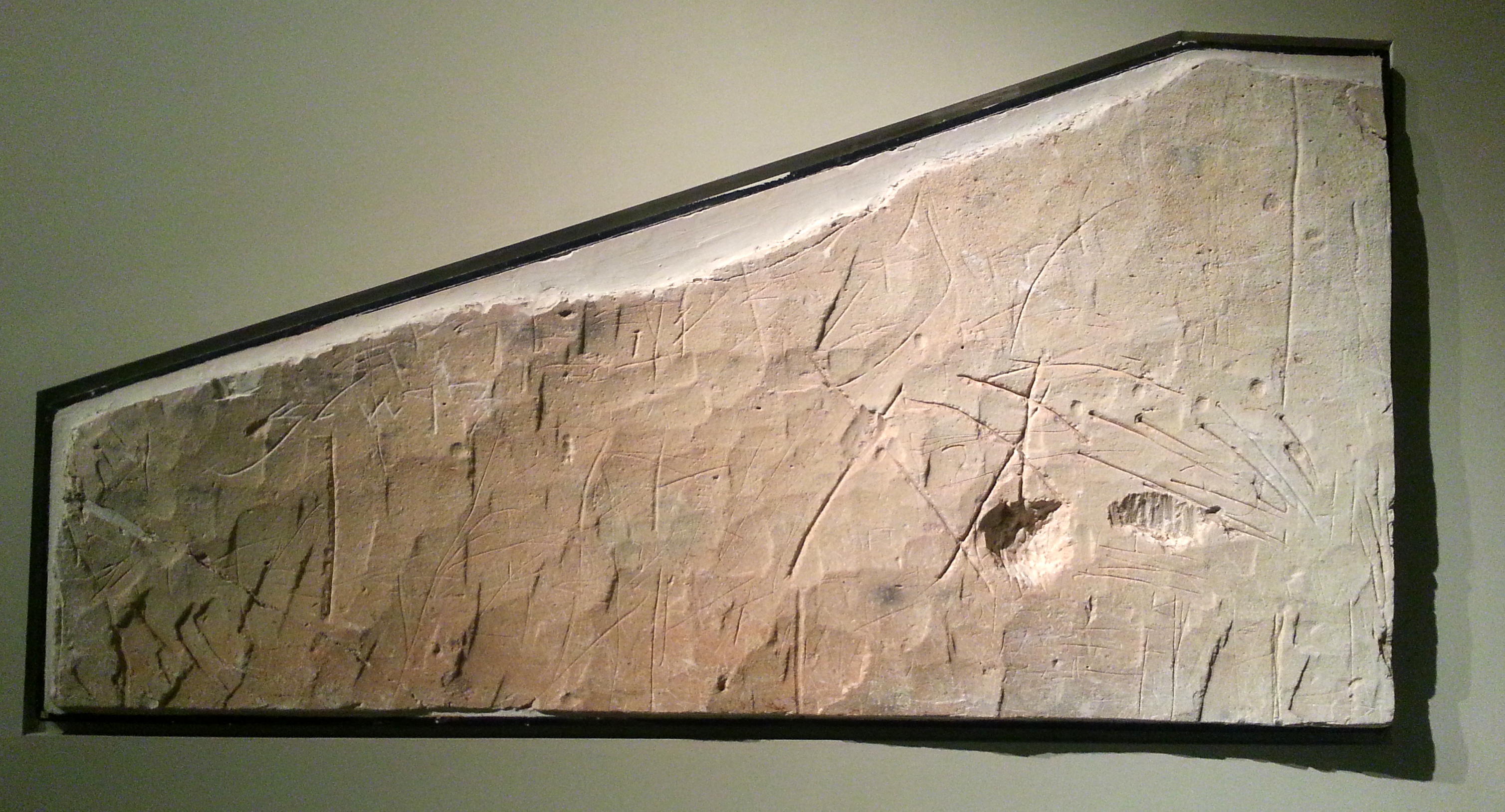
The Khirbet Beit Lei Tomb Inscription
An eighth-century BC Hebrew graffito scratched into the wall of an Iron Age burial cave near Lachish — among the earliest extra-biblical confessions of Yahweh as the God of Jerusalem
 inscription
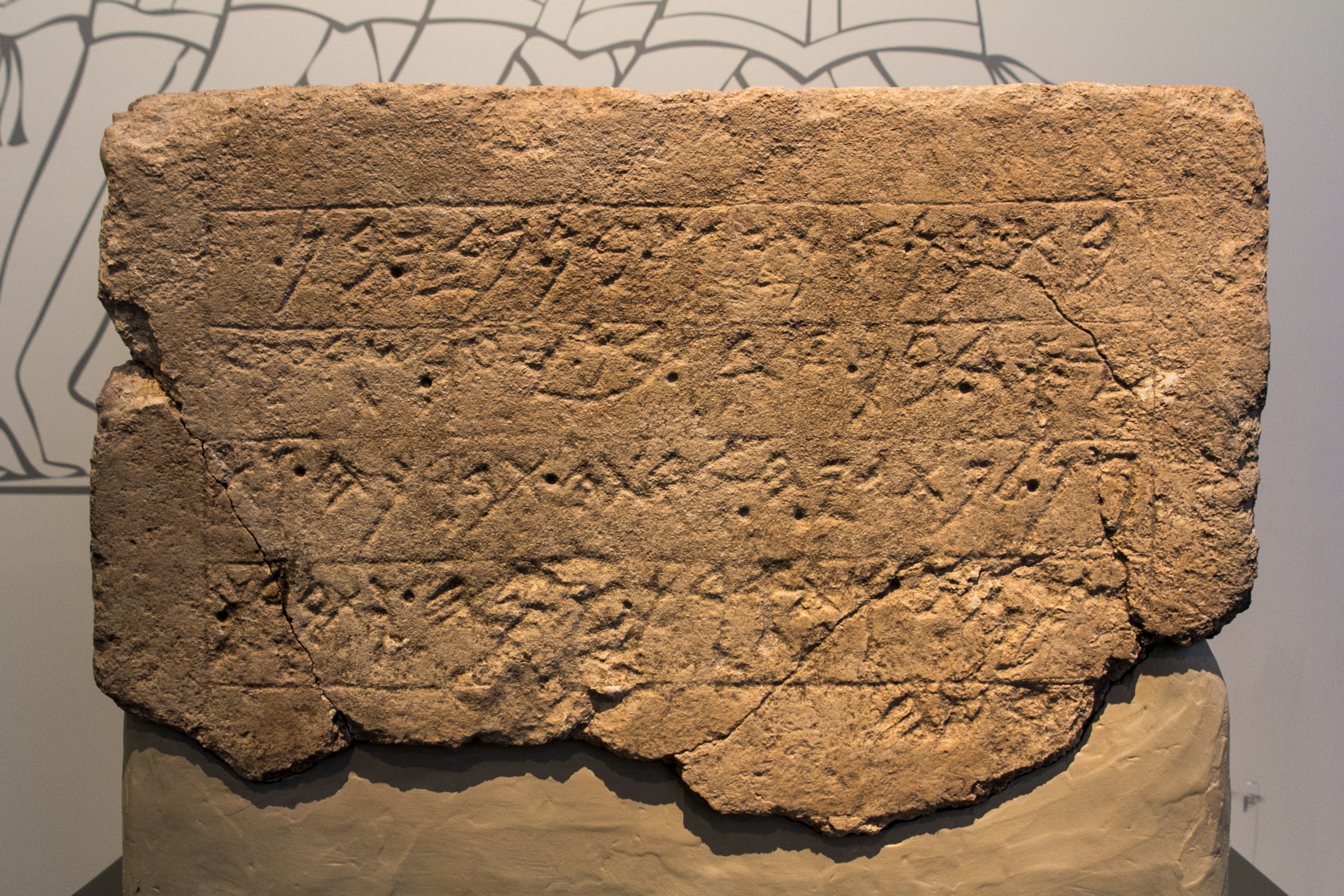
The Ekron Royal Inscription
A limestone dedication block recovered in 1996 from the Philistine pentapolis city of Ekron — names five kings of the dynasty in succession and confirms the city's continuity into the seventh century BC
 site
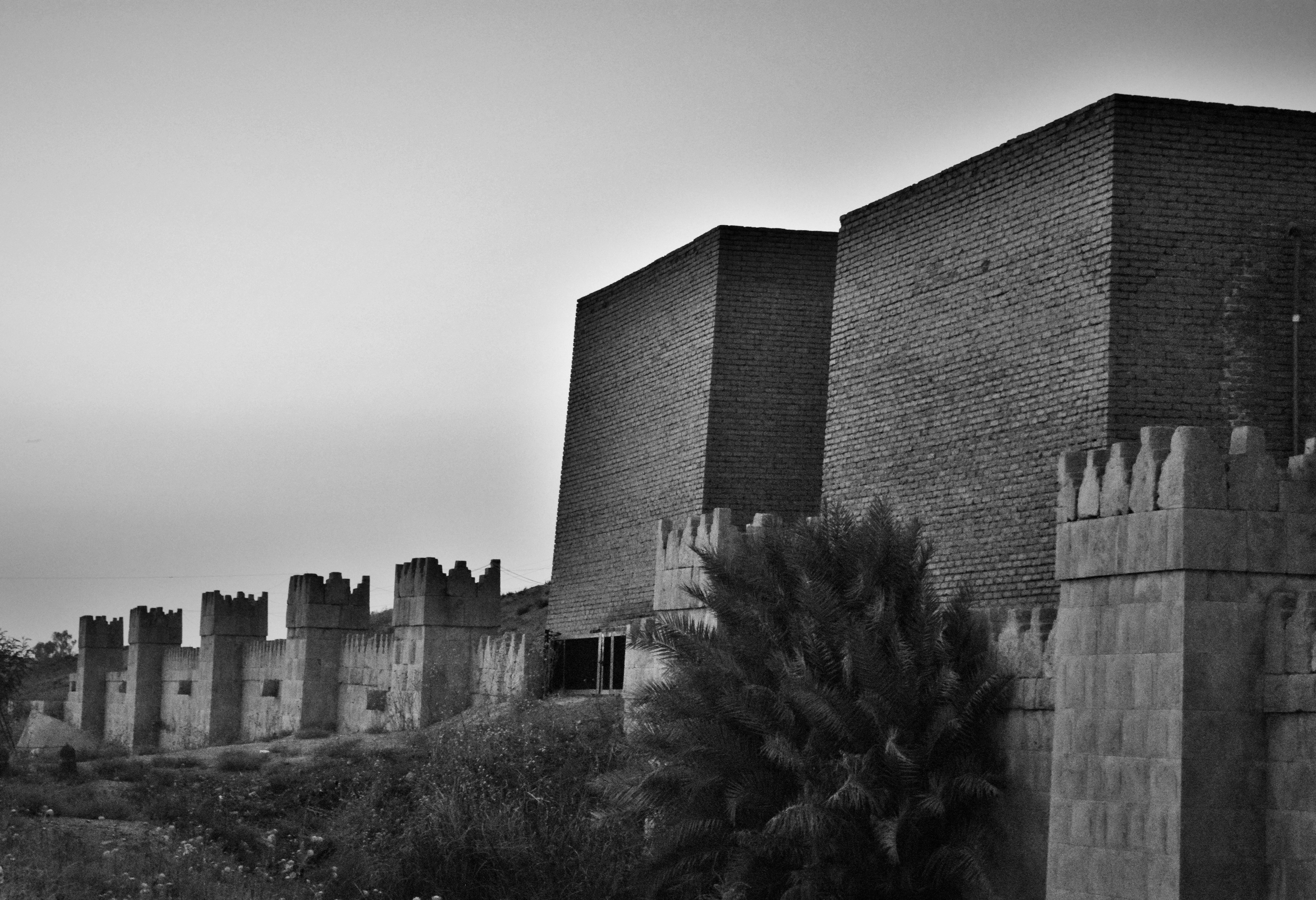
siteNineveh
Capital of the Neo-Assyrian Empire — the Library of Ashurbanipal, the Lachish Reliefs, Sennacherib's palace, and the city Jonah was sent to
 tablet
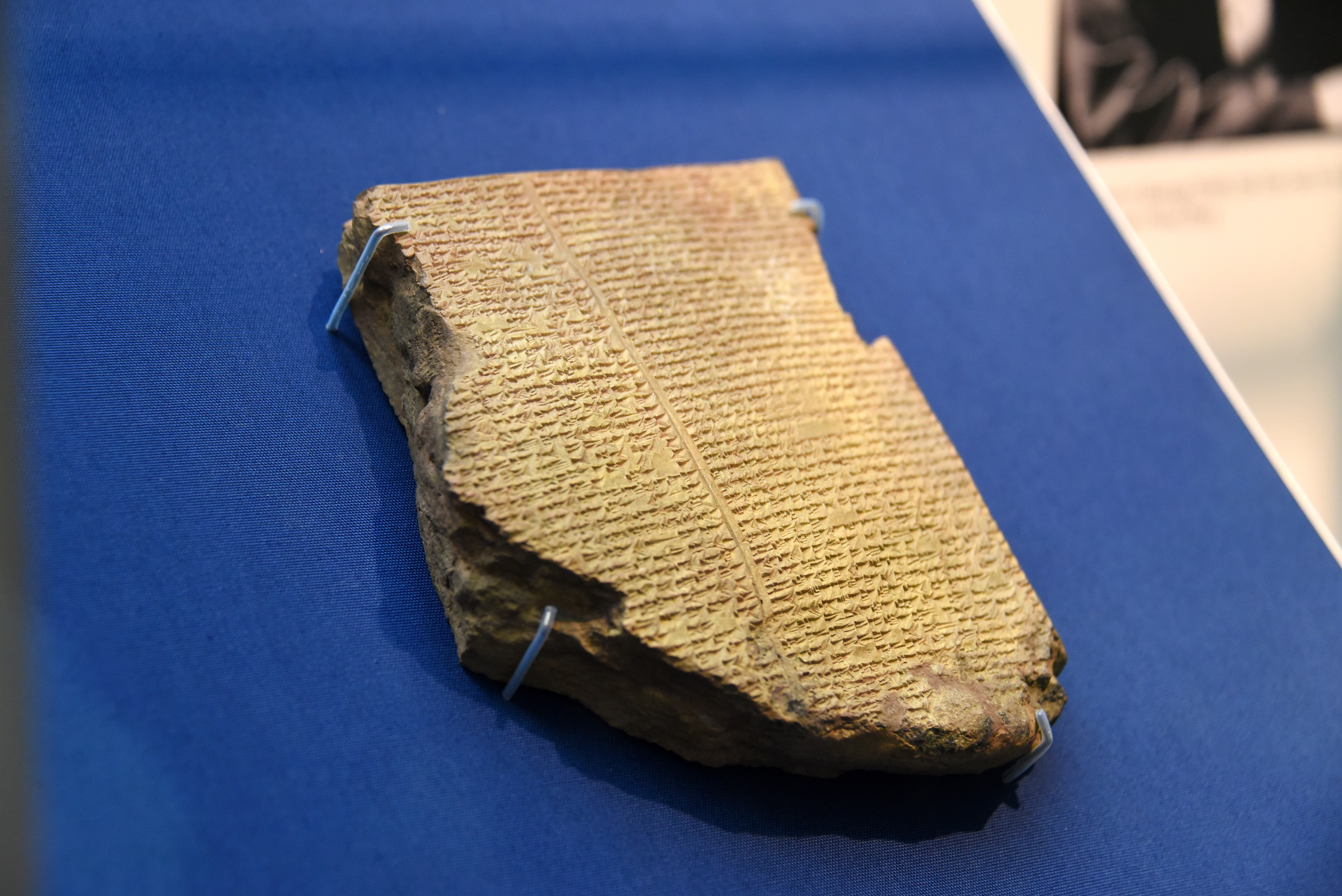
Gilgamesh Epic Tablet XI — The Standard Babylonian Flood Tablet
A cuneiform clay tablet from ancient Nineveh preserving the Mesopotamian flood narrative most closely paralleling Genesis 6–9
 tablet
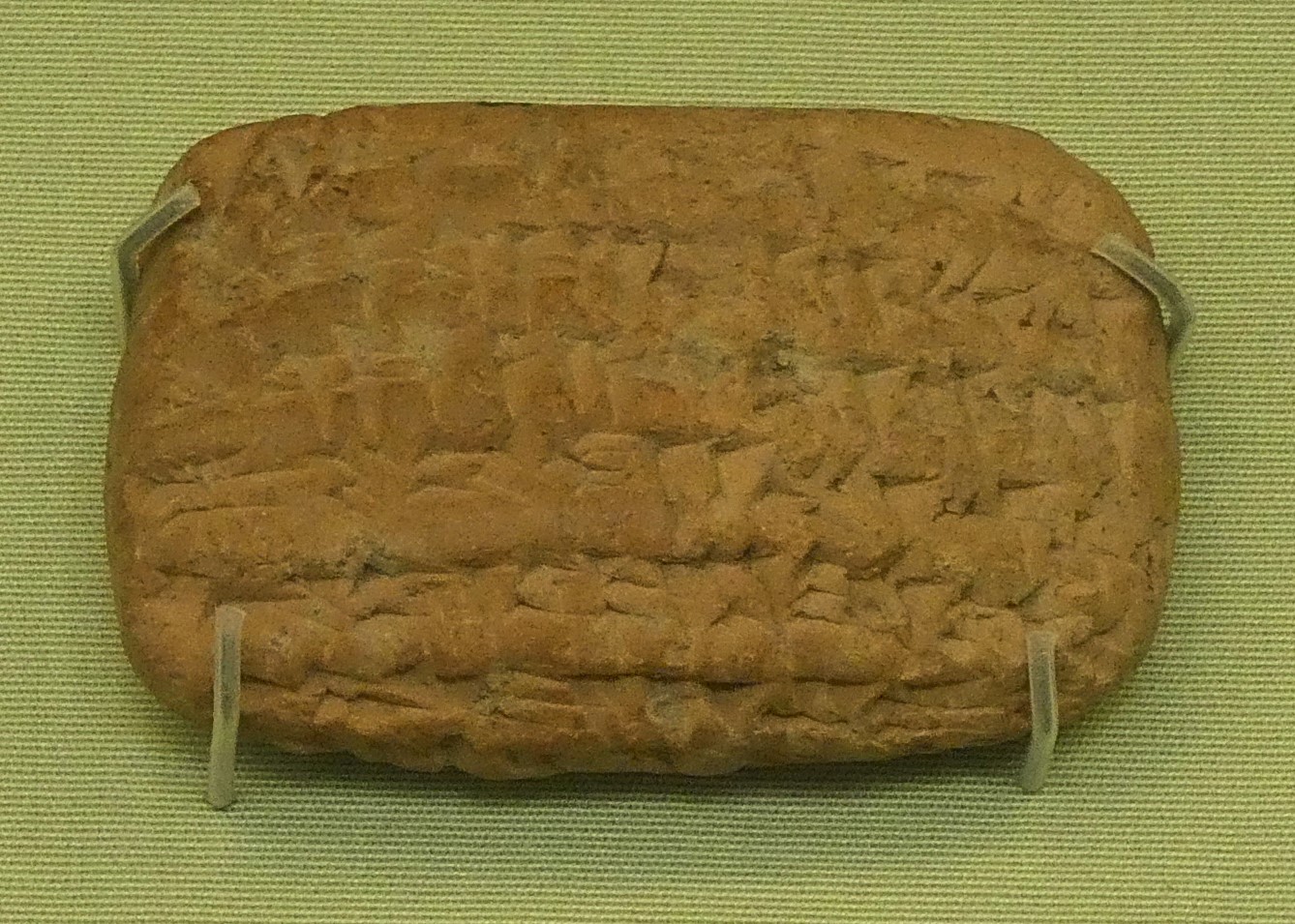
The Nebo-Sarsekim Cuneiform Tablet (BM 114789)
A Babylonian administrative receipt from 595 BC naming the official Nebo-Sarsekim, whose title Rab-Saris appears in the account of Jerusalem's fall in Jeremiah 39:3
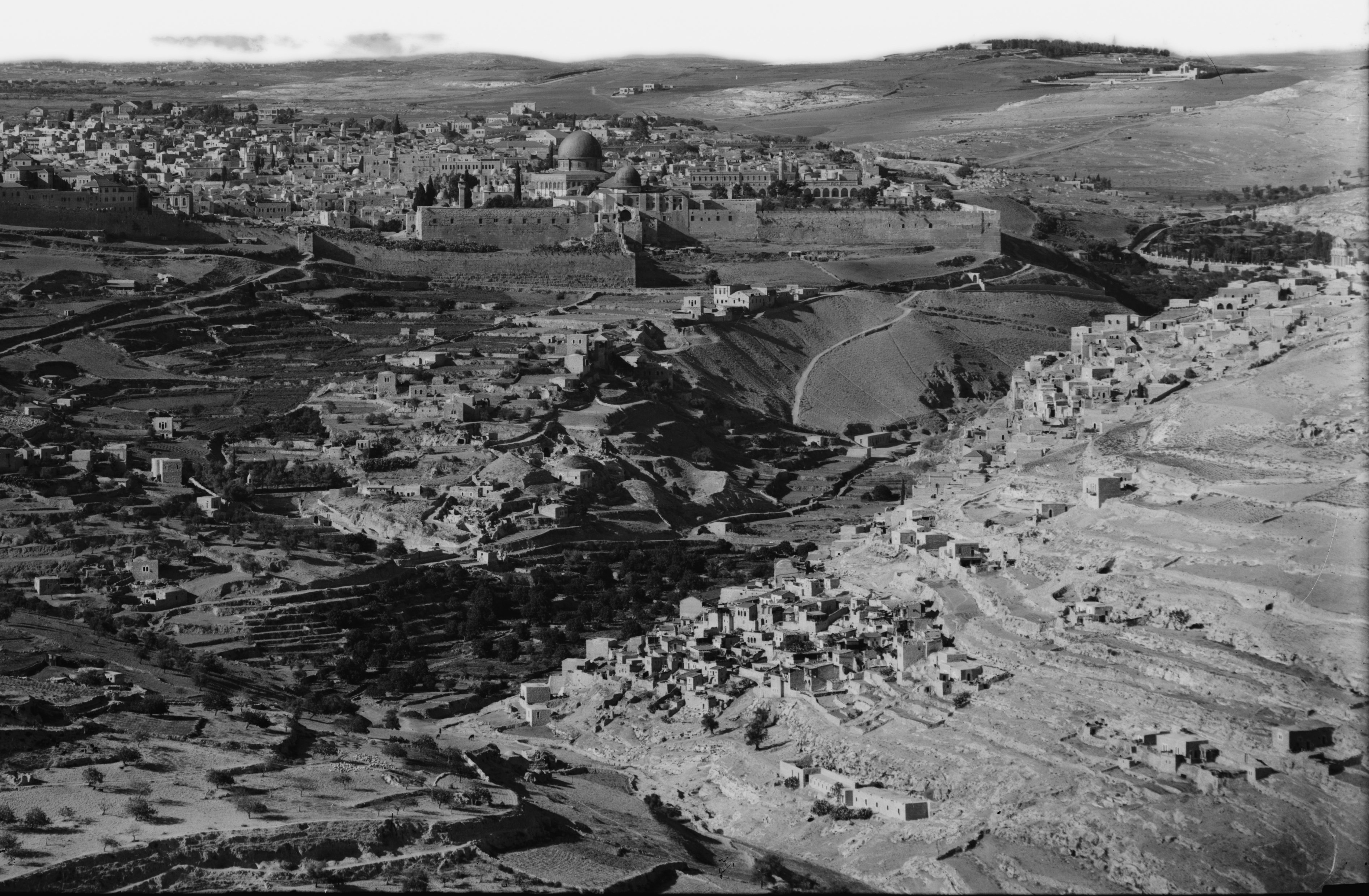 seal
sealAzaliah Son of Hilkiah Bulla
A late seventh-century BC seal impression identifying the grandfather of Shaphan, the royal scribe who delivered the Book of the Law to Josiah
.jpg) seal
sealHanan ben Hilqiyahu the Priest Bulla
Late Iron Age clay seal impression bearing a priestly name that may correlate with Hilkiah, the high priest of Josiah's reign
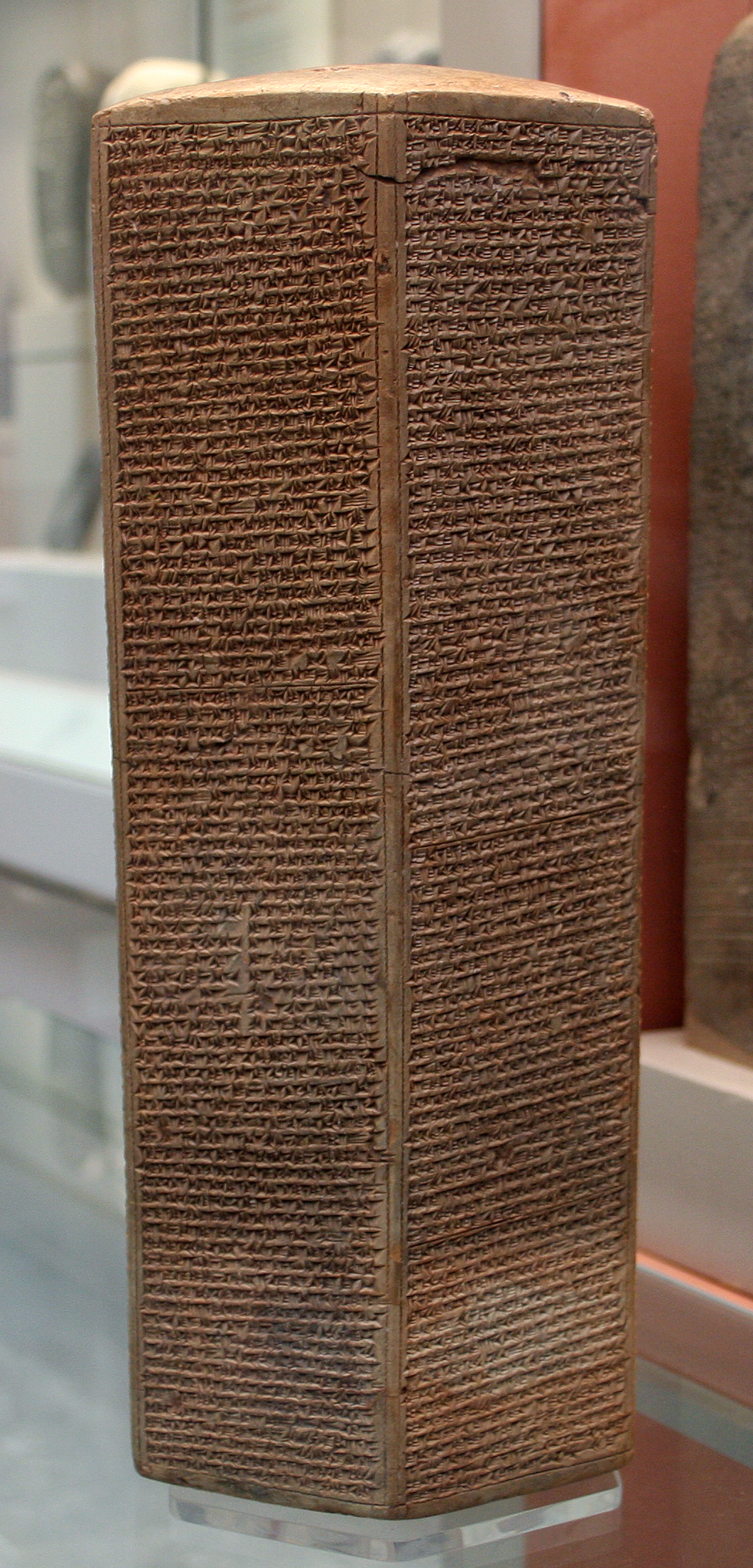 inscription
The Taylor Prism
Sennacherib's own account of his 701 BC siege of Jerusalem — the Assyrian record that confirms 2 Kings 18 and Isaiah 36
.jpg) inscription
inscriptionKetef Hinnom Silver Scrolls
The oldest known biblical text — the Aaronic blessing of Numbers 6, carved on amulets buried in late Iron Age Jerusalem
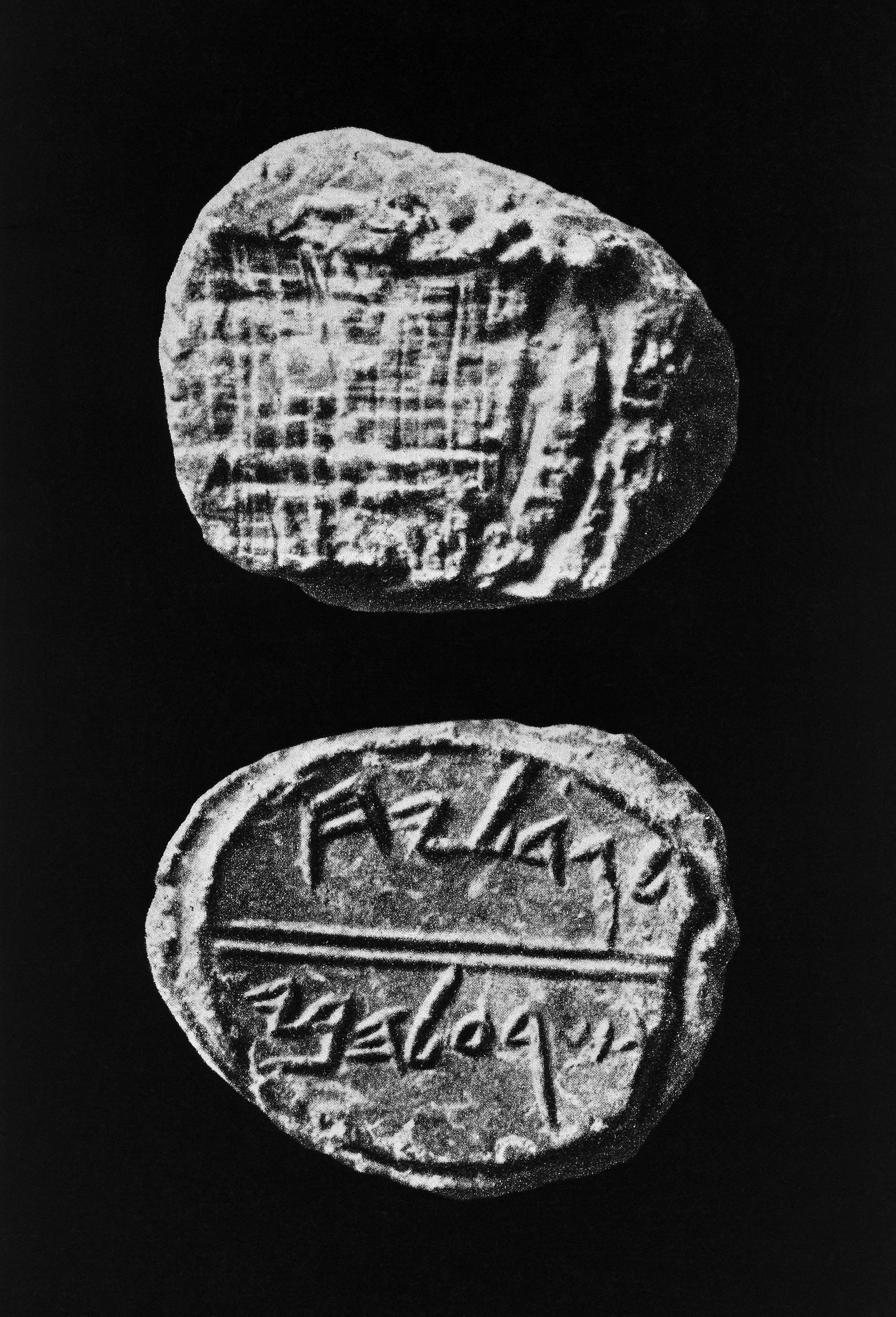 seal
sealGedalyahu Servant of the King Seal
Late-monarchic Judean bulla inscribed with the name of a royal steward, potentially linking epigraphic evidence to the biblical governor Gedaliah ben Ahikam
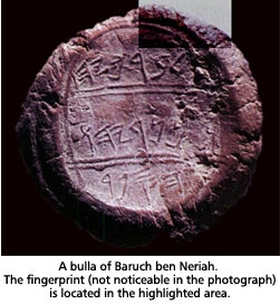 seal
sealBerekhyahu ben Neriyahu the Scribe — Second Bulla
An unprovenanced clay seal impression matching the Israel Museum specimen, bearing the name of Jeremiah's personal scribe Baruch son of Neriah
.jpg) seal
sealPashhur ben Immer Seal
A late seventh-century BC bulla bearing the name of the priestly family connected to Jeremiah's imprisonment, providing direct epigraphic attestation of a figure named in the Hebrew prophetic corpus
 inscription
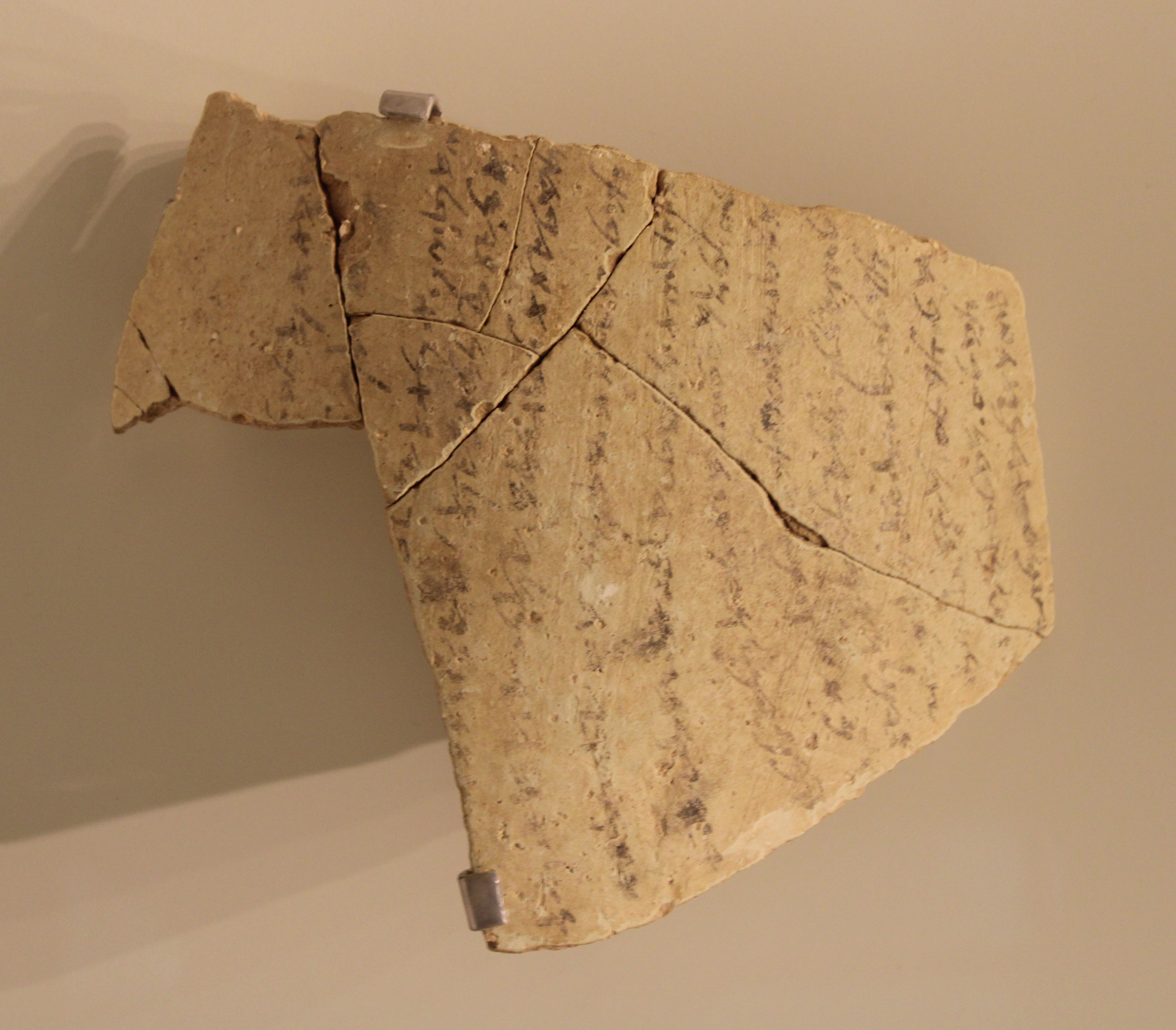
The Mesad Hashavyahu Ostracon
A late-seventh-century BC Hebrew petition from a Judahite border fortress on the Mediterranean coast — a field laborer's appeal that quotes the Mosaic law of pledges in everyday legal practice
 inscription
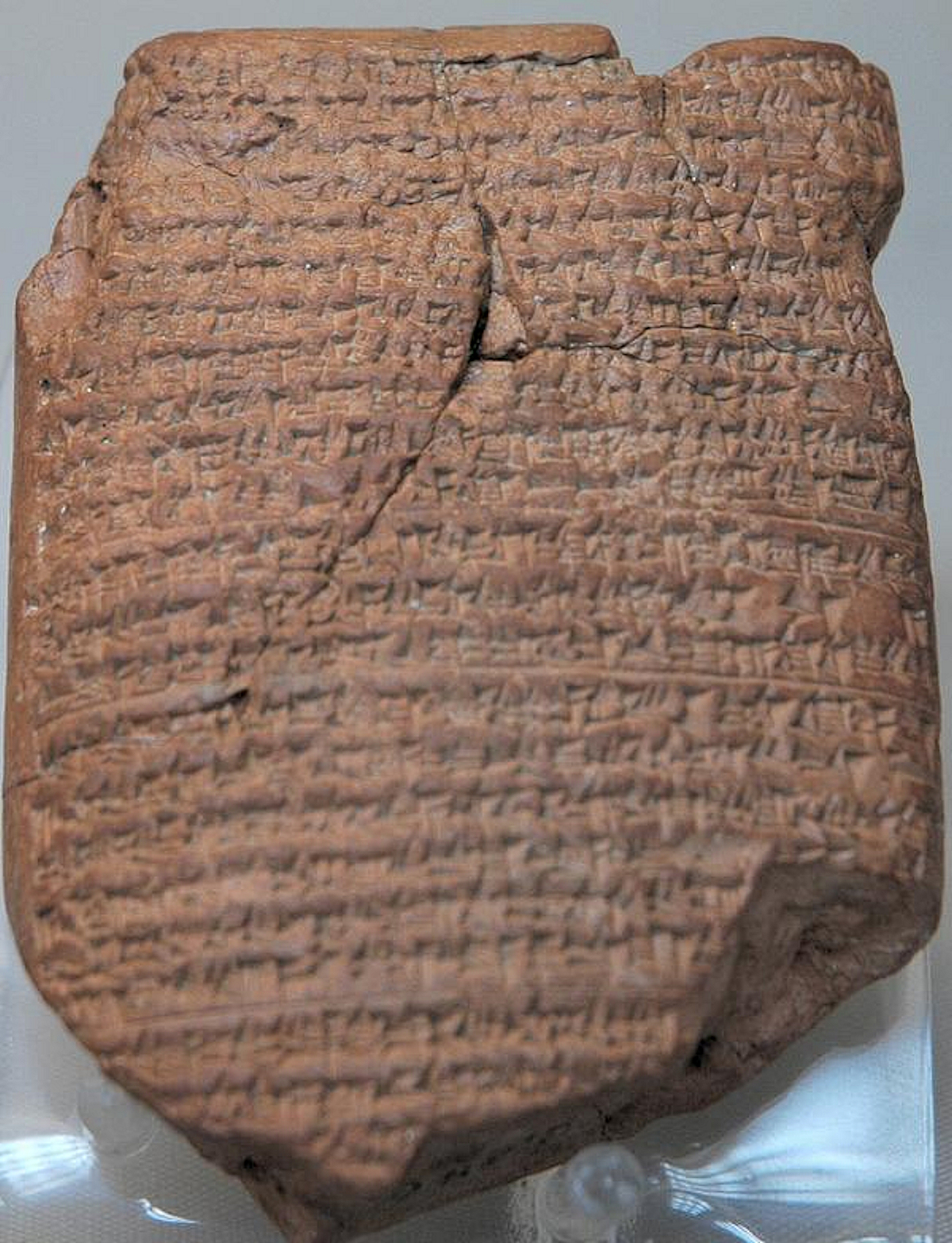
The Babylonian Chronicle (BM 21946)
Nebuchadnezzar's own court record of his 597 BC capture of Jerusalem and the deportation of Jehoiachin
sealThe Bulla of Berekhyahu ben Neriyahu the Scribe
Clay sealing inscribed for Jeremiah's scribe Baruch — published in 1986, with the forgery question still genuinely open
 seal
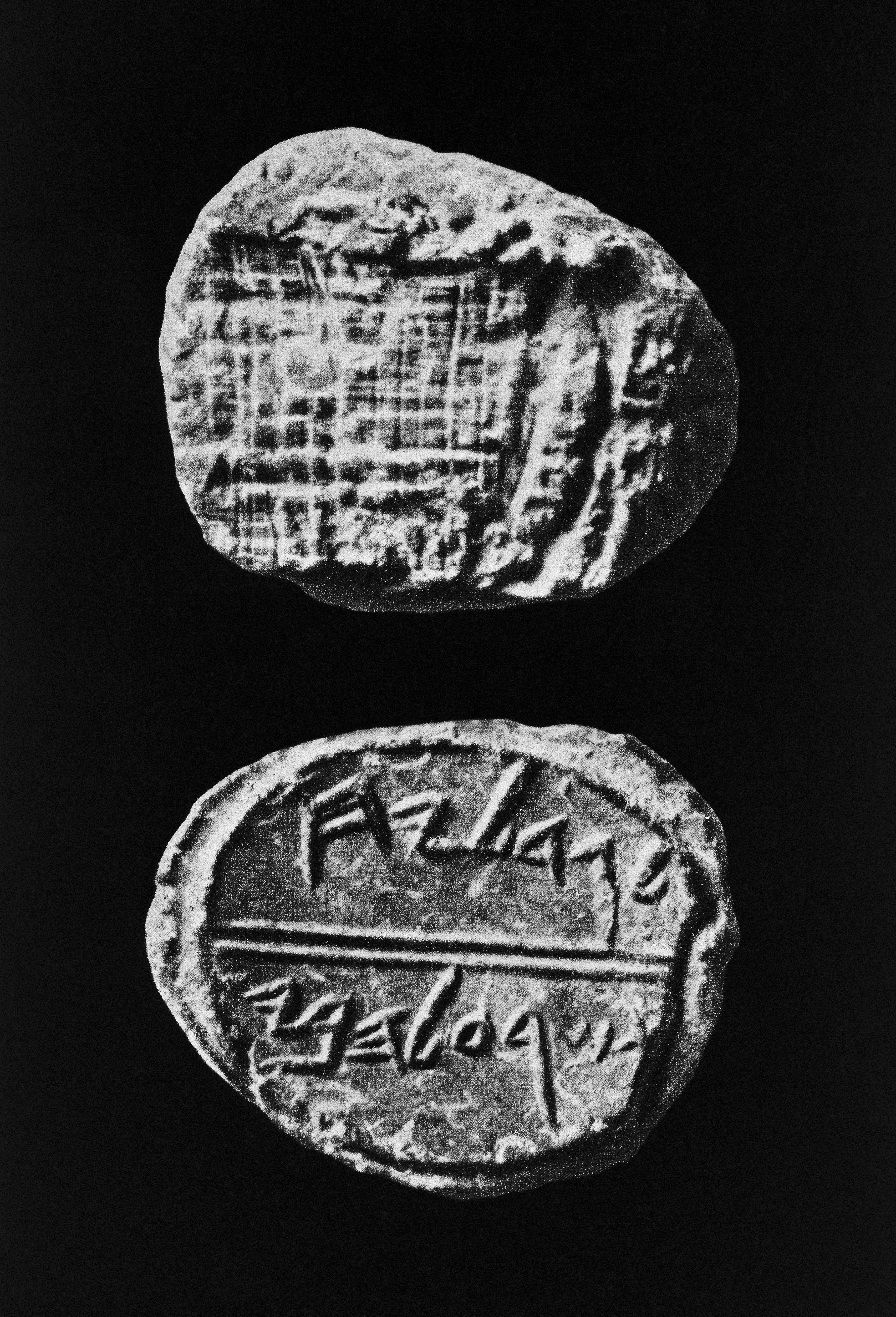
sealThe Bullae of Yehukal ben Shelemyahu and Gedaliah ben Pashhur
Two clay sealings of the officials who threw Jeremiah into the cistern — recovered from the 586 BC burn layer of the City of David
 inscription
The Lachish Letters
Eyewitness ostraca from the Babylonian destruction
 tablet
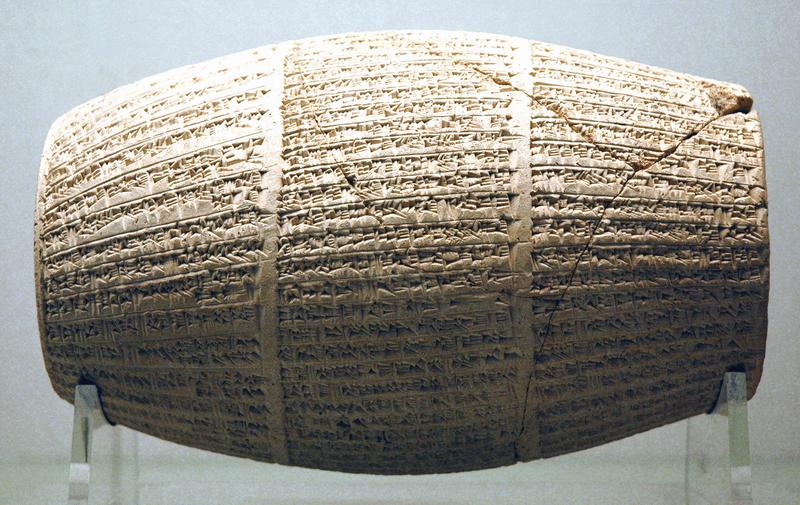
The Nabonidus Cylinder from Sippar
A four-sided clay prism inscribed by Babylon's last king, corroborating the biblical account of Belshazzar's regency and the fall of Babylon
_(14584070300).jpg) site
siteSusa
Elamite capital and Persian winter residence — the city of Esther, Nehemiah, and Daniel's vision of the ram and goat
 inscription
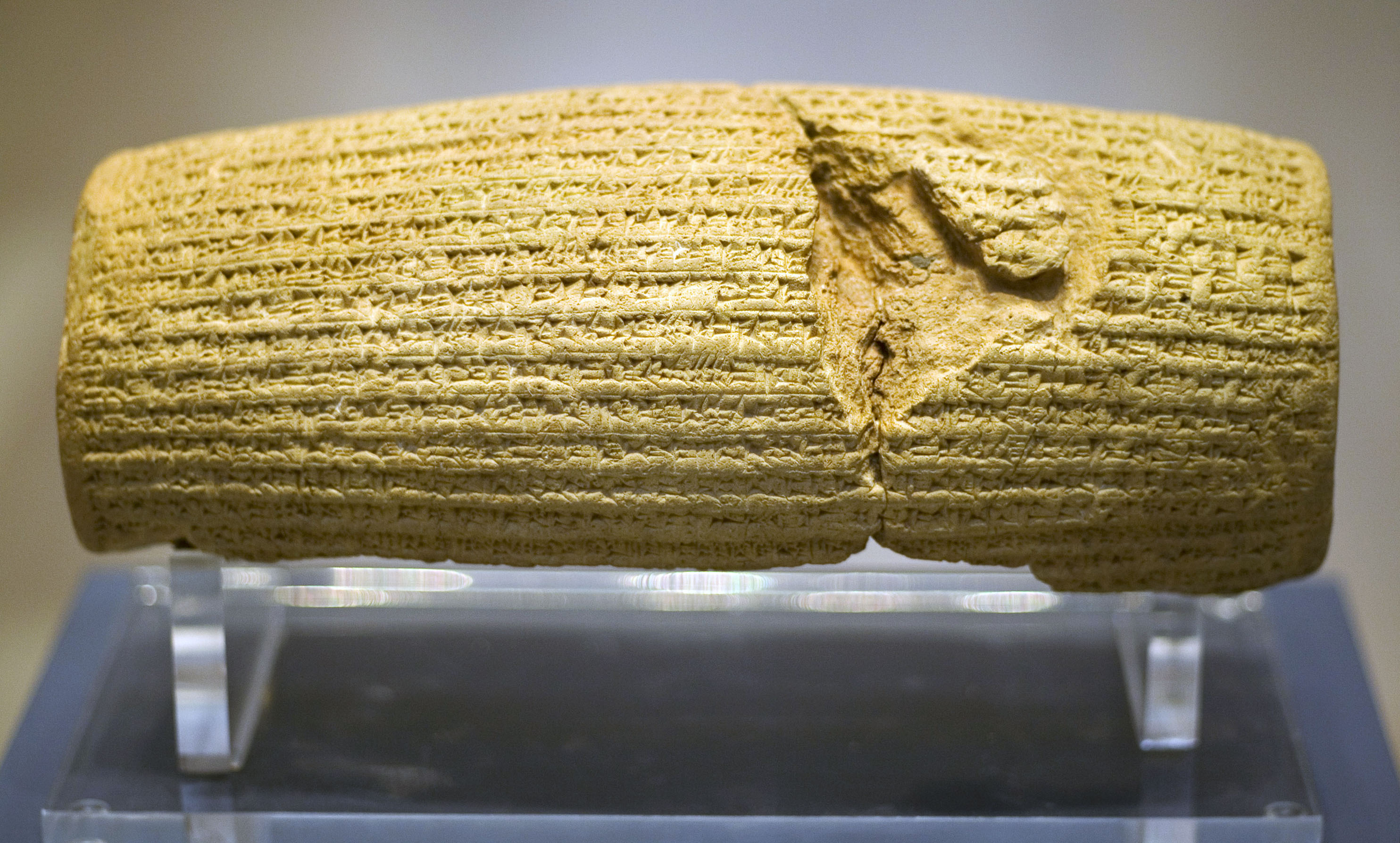
The Cyrus Cylinder
The decree that sent the Jews home
 egyptian
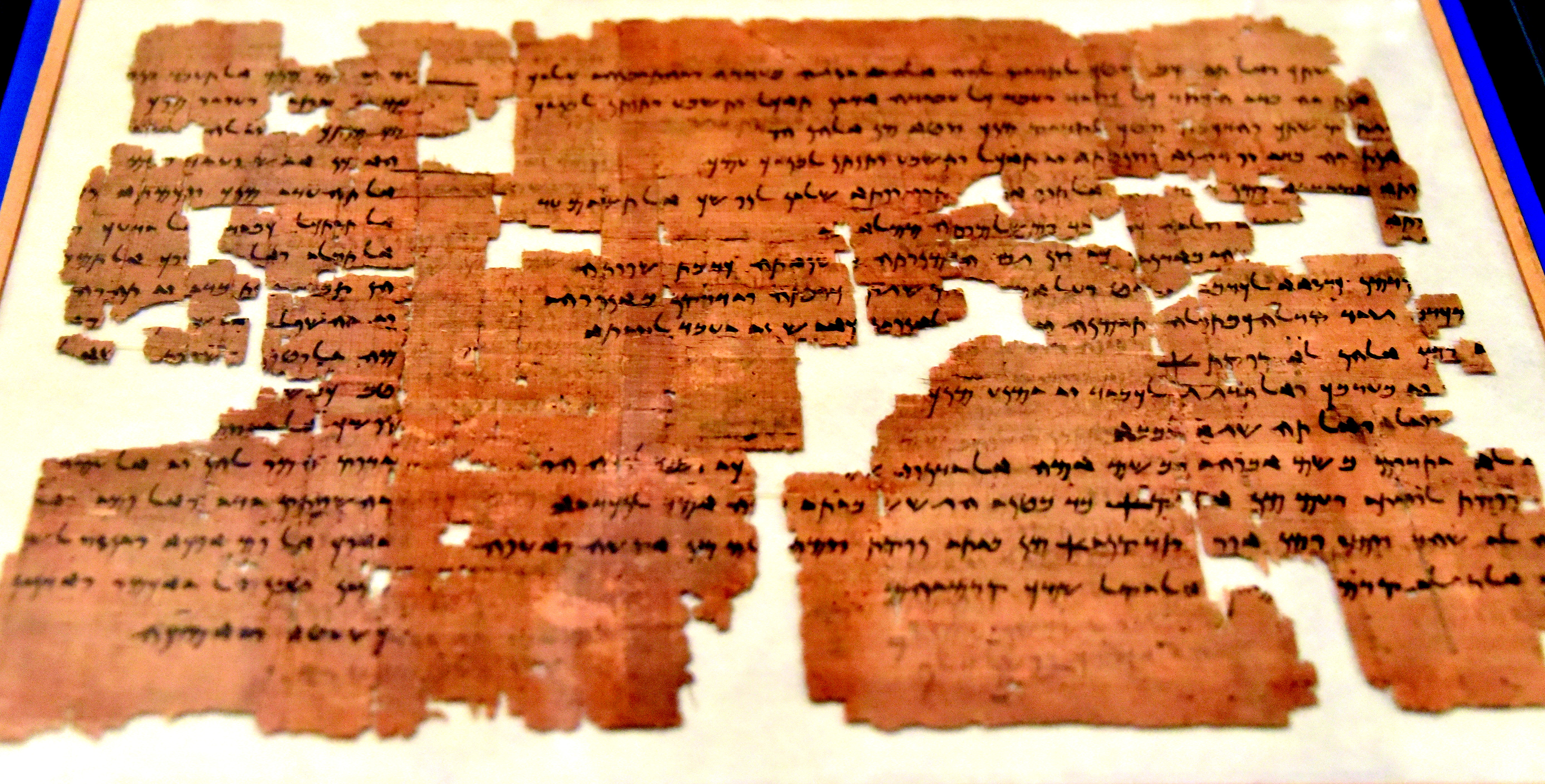
The Elephantine Papyri (Yedaniah Archive)
Aramaic papyri from a fifth-century-BC Jewish military garrison and YHWH-temple on an island in the Nile
 site
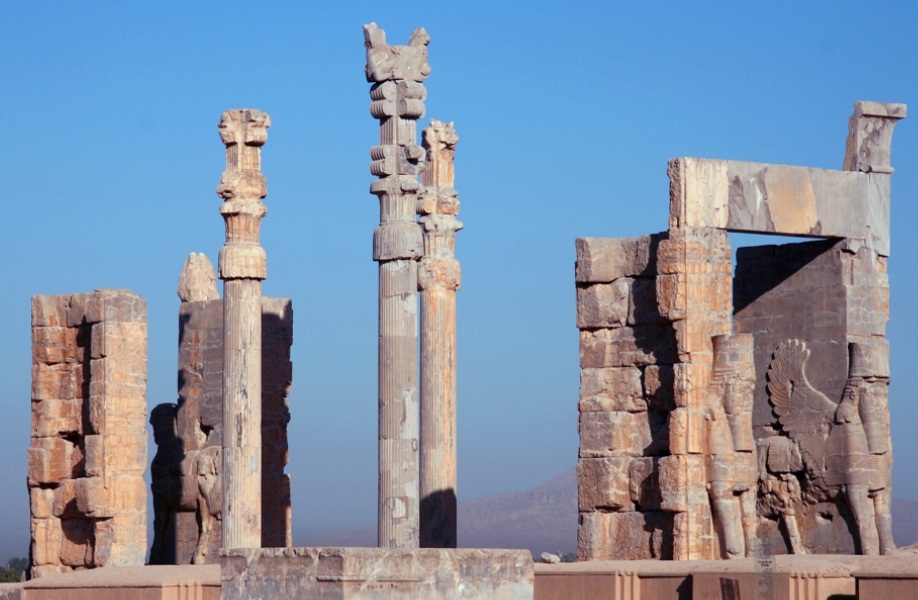
sitePersepolis
Ceremonial capital of the Achaemenid Empire — the Apadana tribute reliefs and the city Alexander burned in 330 BC
Intertestamental
.jpg) inscription
inscriptionThe Eshmunazar Sarcophagus
The black basalt sarcophagus of King Eshmunazar II of Sidon, c. 475 BC — its Phoenician inscription names Joppa and Dor as cities granted to Sidon by the Persian king, fixing the geography of Acts 9–10
_-_Google_Art_Project.jpg) manuscript
manuscriptThe Dead Sea Scrolls
981 manuscripts that pushed Hebrew Bible copies back 1,000 years
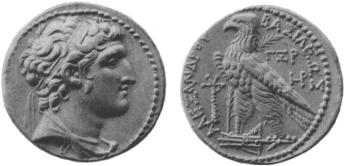 coin
coinThe Tyrian Shekel
The pagan-iconography silver coin that was the only currency accepted for the Jerusalem Temple tax — and almost certainly the metal of the thirty pieces of silver
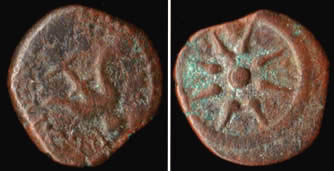 coin
coinThe Widow's Mite — Lepton of Alexander Jannaeus
The smallest bronze coin in circulation in first-century Judea — the two of which the widow cast into the Temple treasury under the eye of Jesus
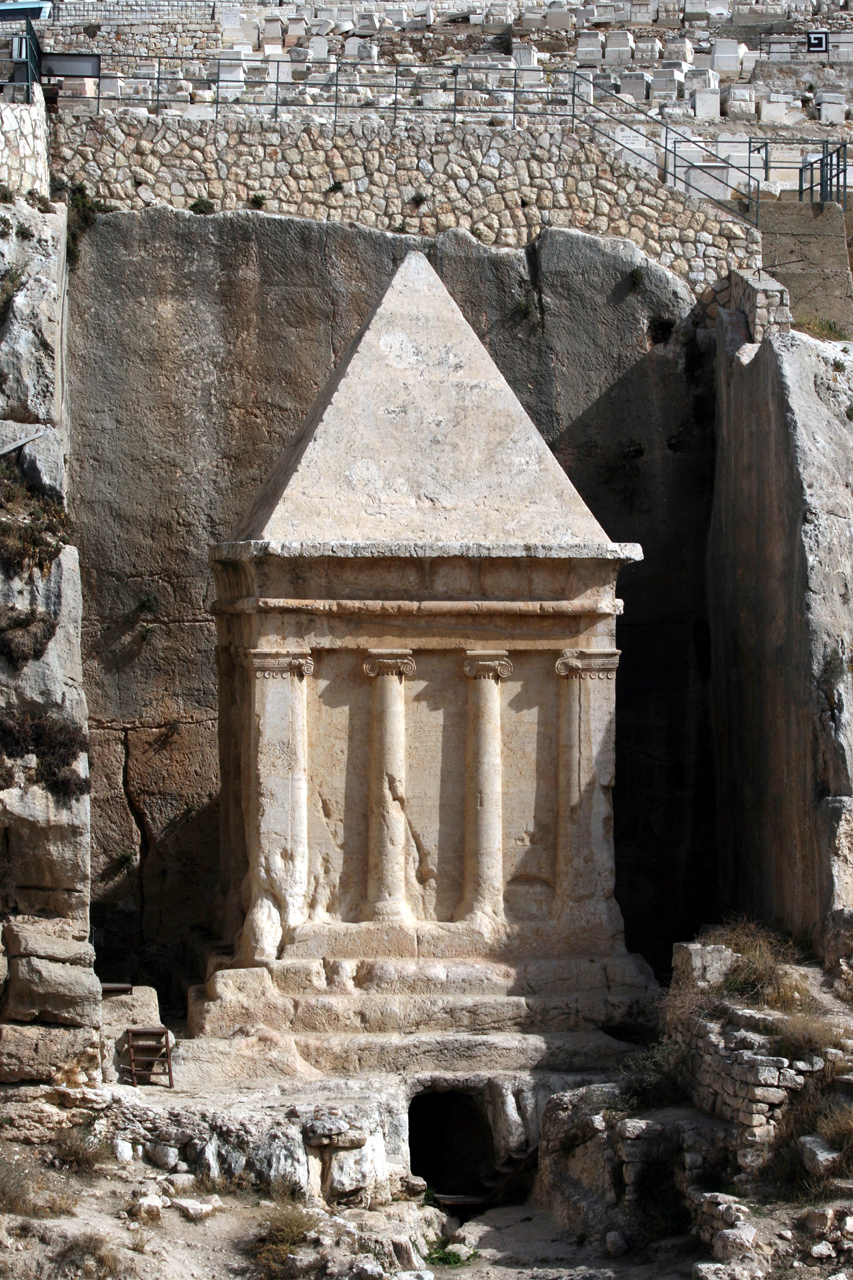 tomb
tombThe Kidron Valley Monuments
The "Tomb of Zechariah" and adjacent "Tomb of Bnei Hezir" — first-century-BC priestly tombs that Jesus and his disciples passed daily on the road from Bethany to the Temple
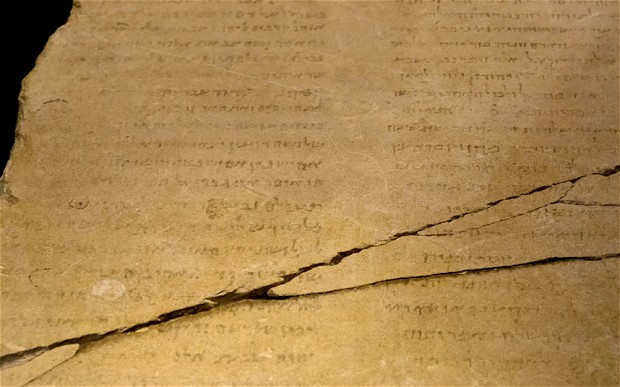 inscription
Hazon Gabriel
A three-foot stone tablet of Hebrew apocalyptic written in ink — eighty-seven lines from the turn of the first century, with a contested reference to a slain figure rising in three days
New Testament
 object
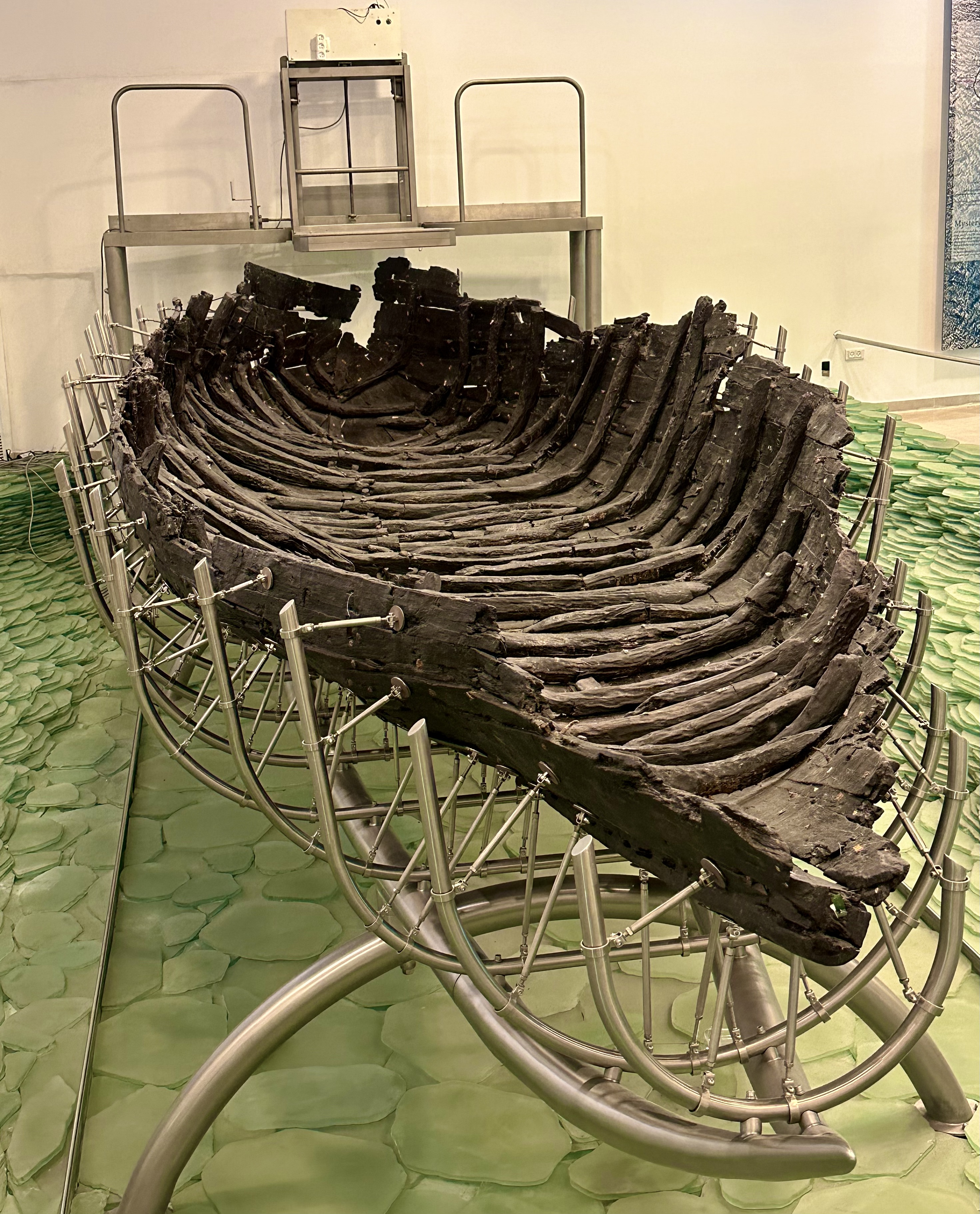
The Galilee Boat
A 1st-century fishing boat from the Sea of Galilee
 site
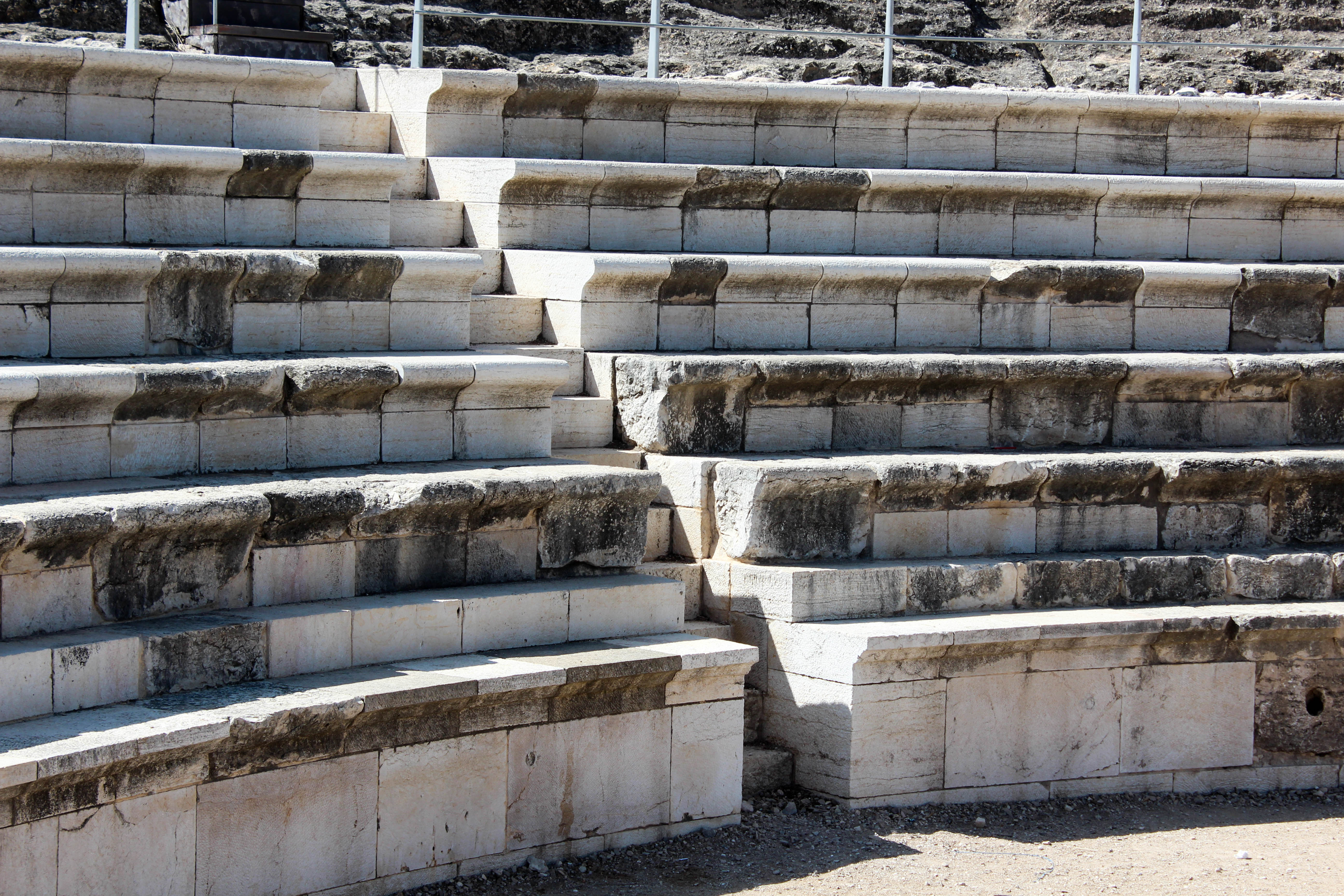
siteSepphoris (Tzippori)
Galilean Jewish city four miles north of Nazareth — Roman theater, the "Mona Lisa of the Galilee" mosaic, ritual baths, and the traditional home of Mary's parents Joachim and Anne
 object
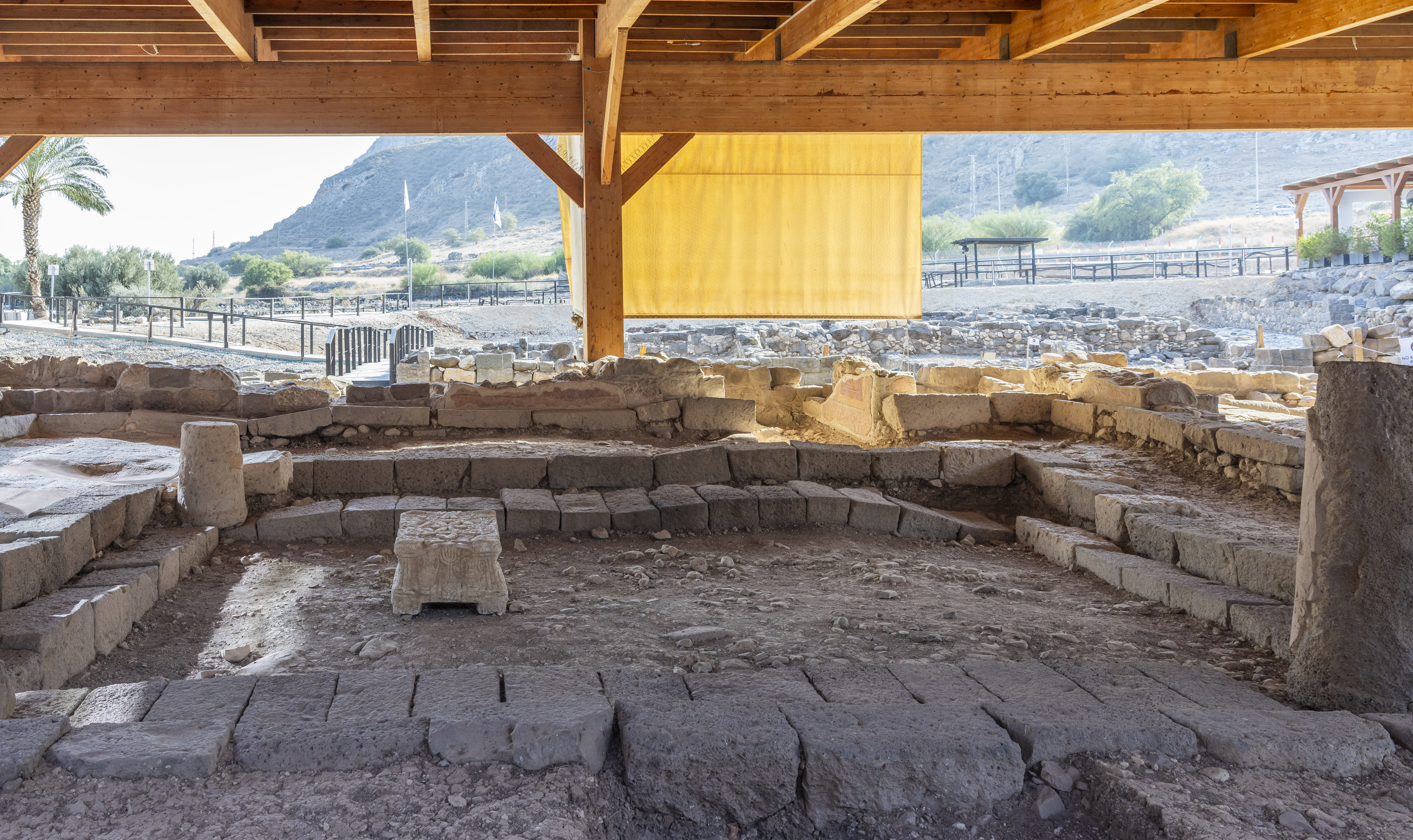
The Magdala Stone
A Second-Temple synagogue stone from Mary Magdalene's town
 site
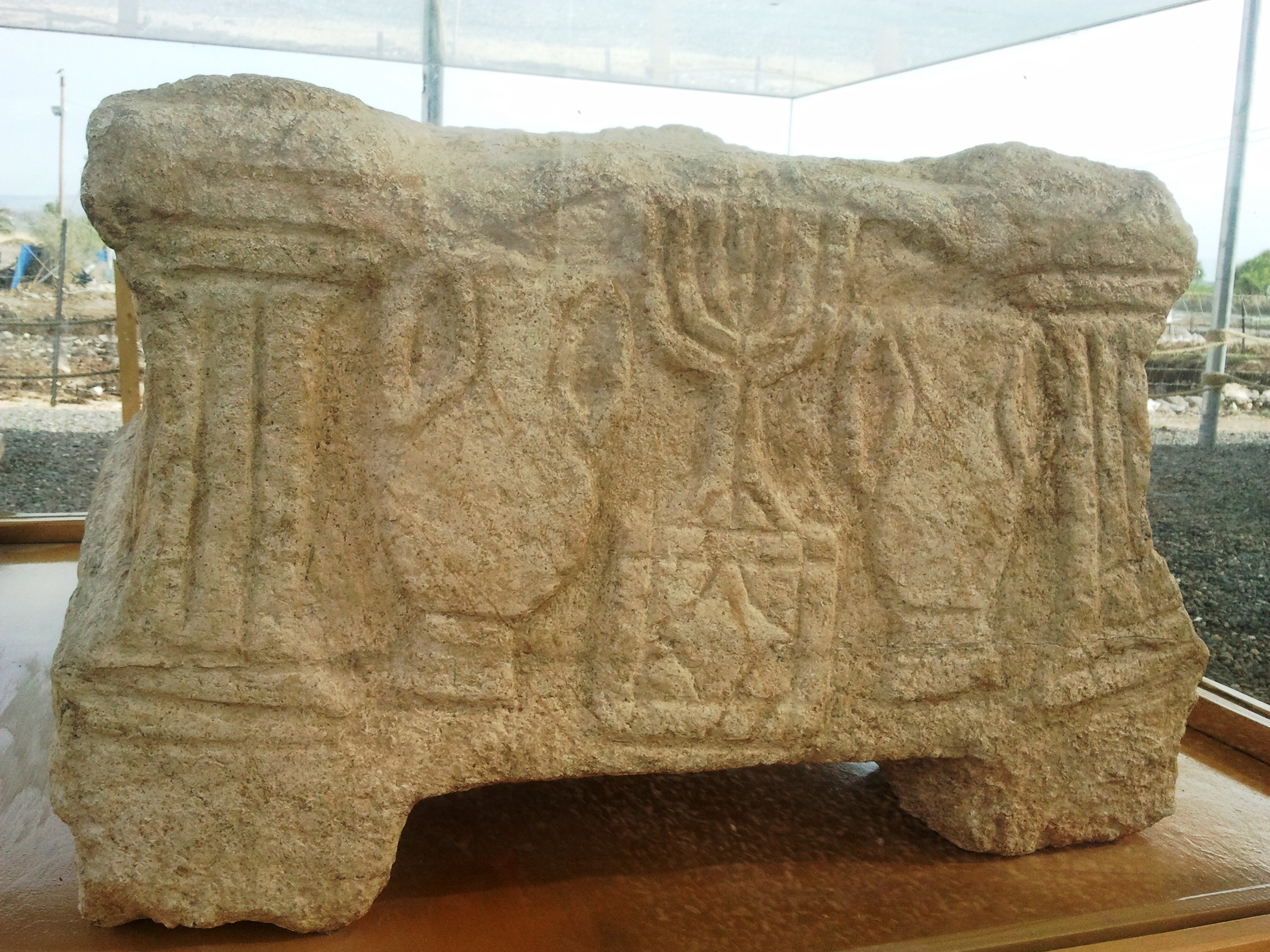
siteMagdala (Migdal)
First-century AD fishing village on the western shore of the Sea of Galilee — hometown of Mary Magdalene, with the recently excavated synagogue, ritual baths, and fish-processing installations
 site
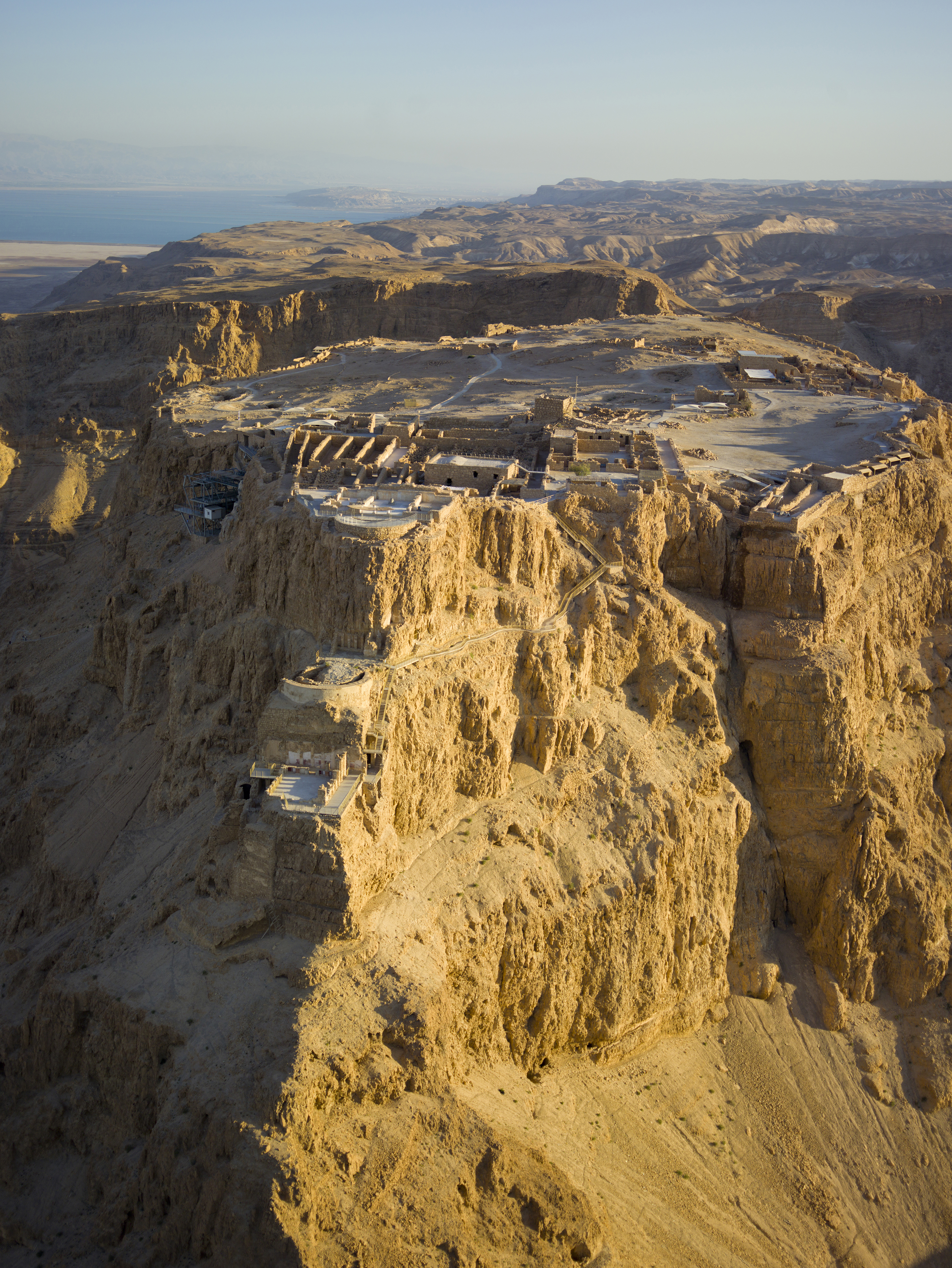
siteMasada
Herod's desert fortress on a 1,300-foot mesa above the Dead Sea — the final Sicarii stand of AD 73 narrated by Josephus
 site
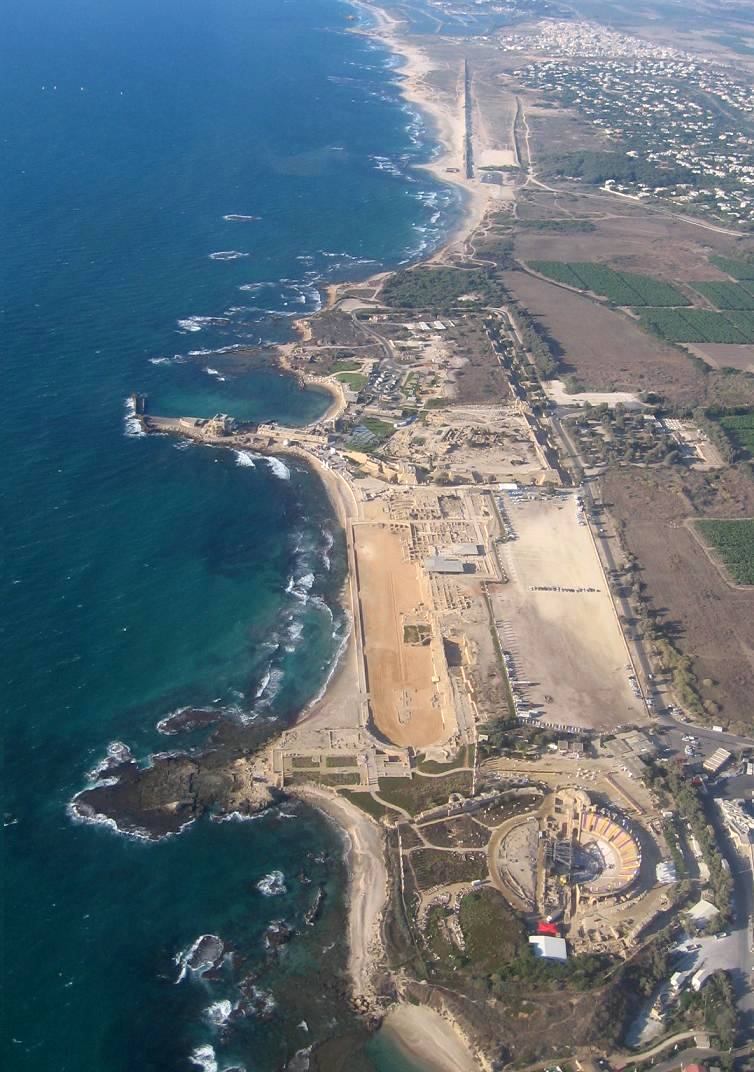
siteCaesarea Maritima
Herod the Great's deep-water Mediterranean port — administrative capital of Roman Judea, the Pilate Stone, Cornelius, and Paul's two-year imprisonment
 inscription
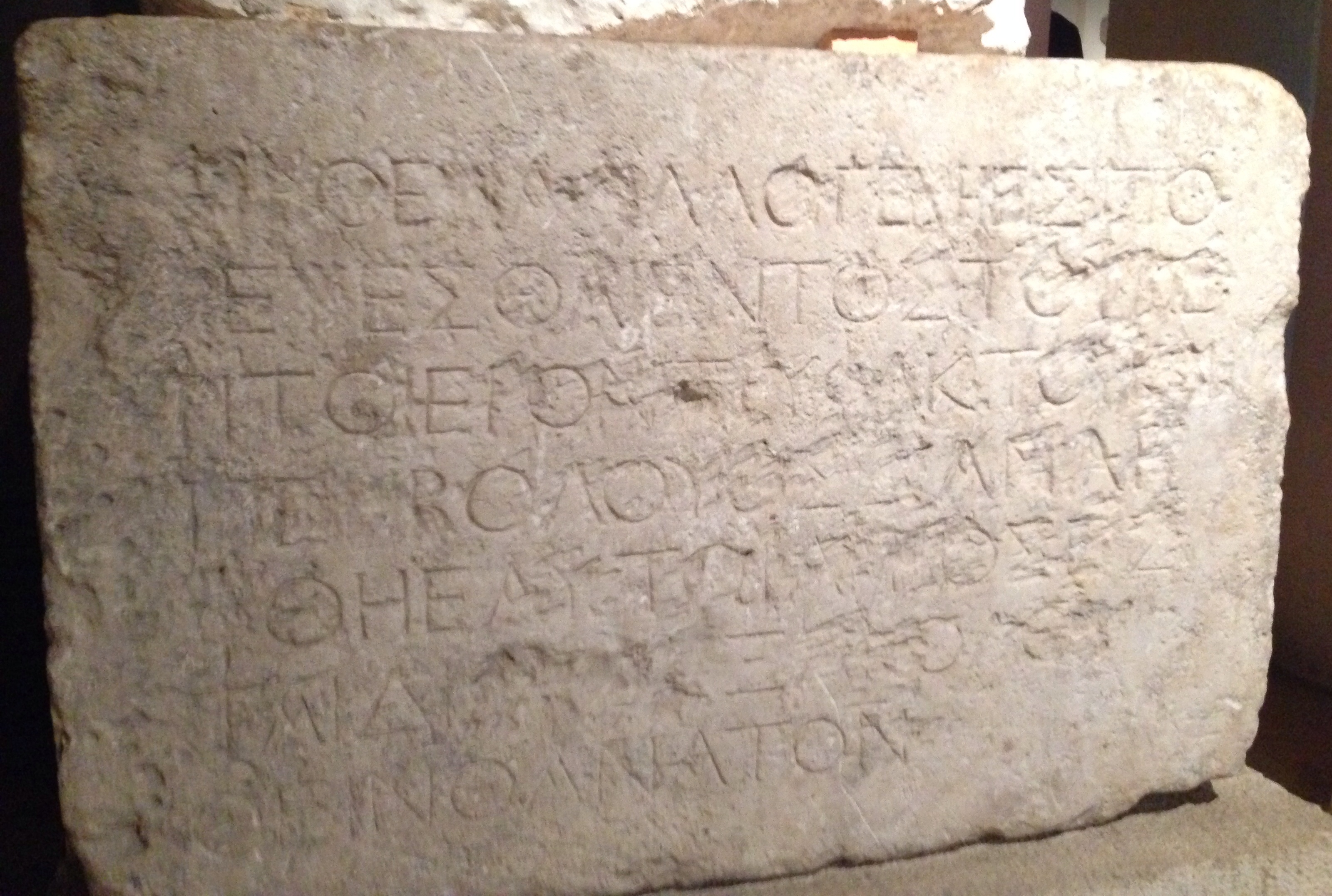
The Soreg — Temple Warning Inscription
The Greek warning carved on the dividing wall of the Herodian Temple — the wall the apostle Paul names in Ephesians 2:14
.jpg) inscription
inscriptionThe Theodotos Inscription
A first-century Greek synagogue dedication from Jerusalem's Mount Ophel — physical evidence of the Greek-speaking synagogue community of Jesus' day
 tomb
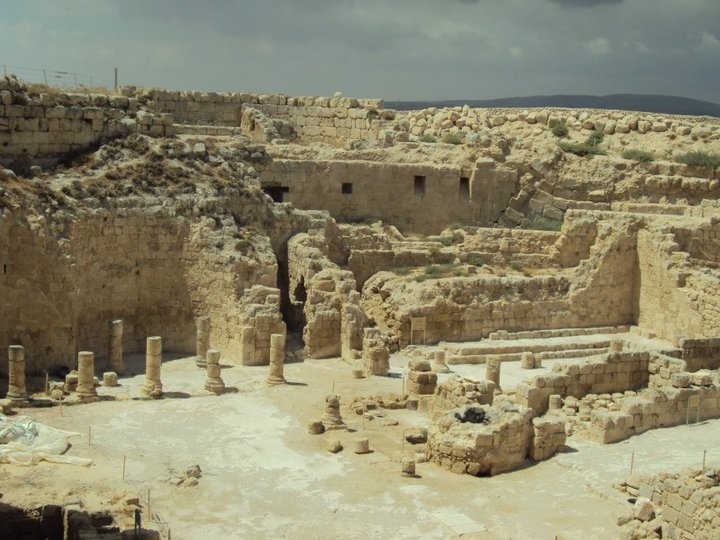
tombThe Tomb of Herod the Great
Herod's mausoleum on the lower slope of the Herodium fortress — found in 2007 by Ehud Netzer after thirty-five years of searching, eight miles south of Jerusalem
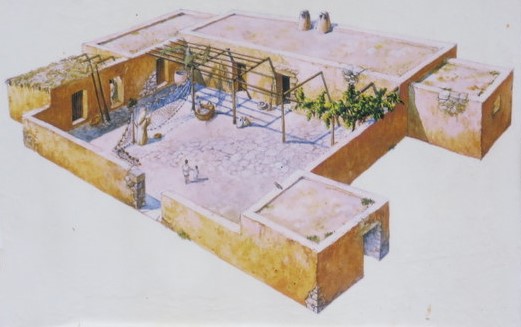 site
siteBethsaida
Hometown of Peter, Andrew, and Philip — the two-site identification dispute between et-Tell and el-Araj remains genuinely open
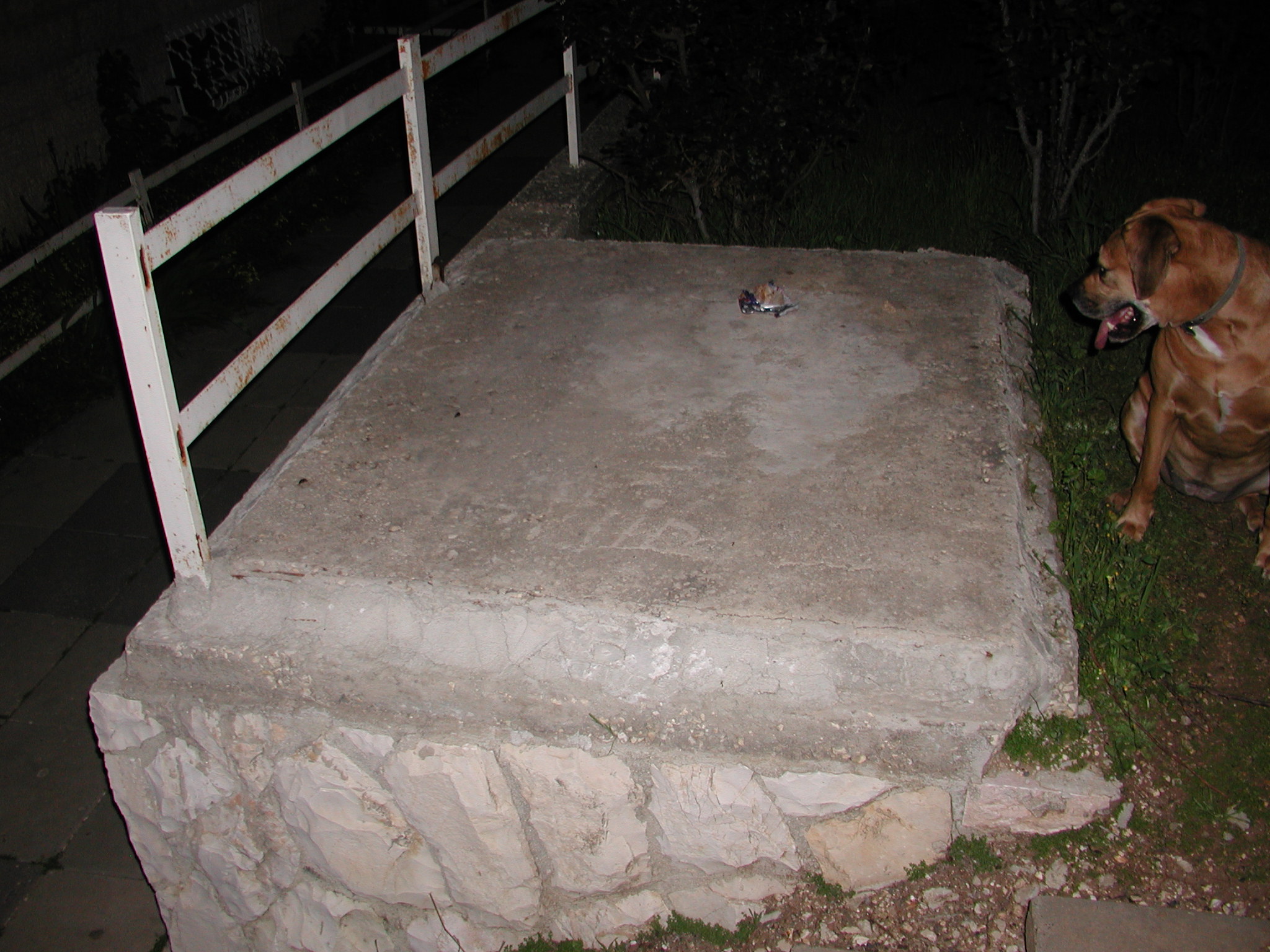 tomb
tombThe Talpiot Tomb
A 1980 East Jerusalem rock-cut tomb with ten ossuaries — the "Jesus family tomb" identification, advanced in 2007, is rejected by mainstream scholarship across confessional lines
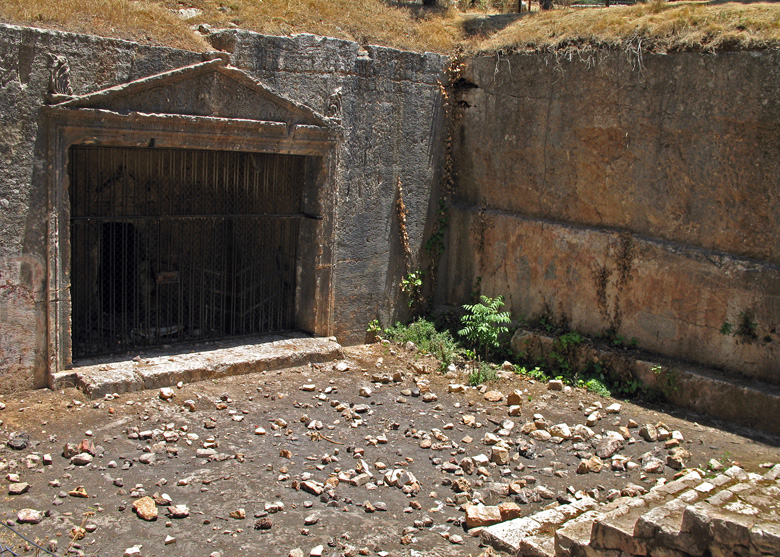 tomb
tombThe Sanhedrin Tombs
A first-century-AD priestly-aristocratic family complex of over sixty burial chambers in northern Jerusalem — the seventy niches in the largest tomb gave rise to the medieval misidentification with the seventy-member Jewish high council
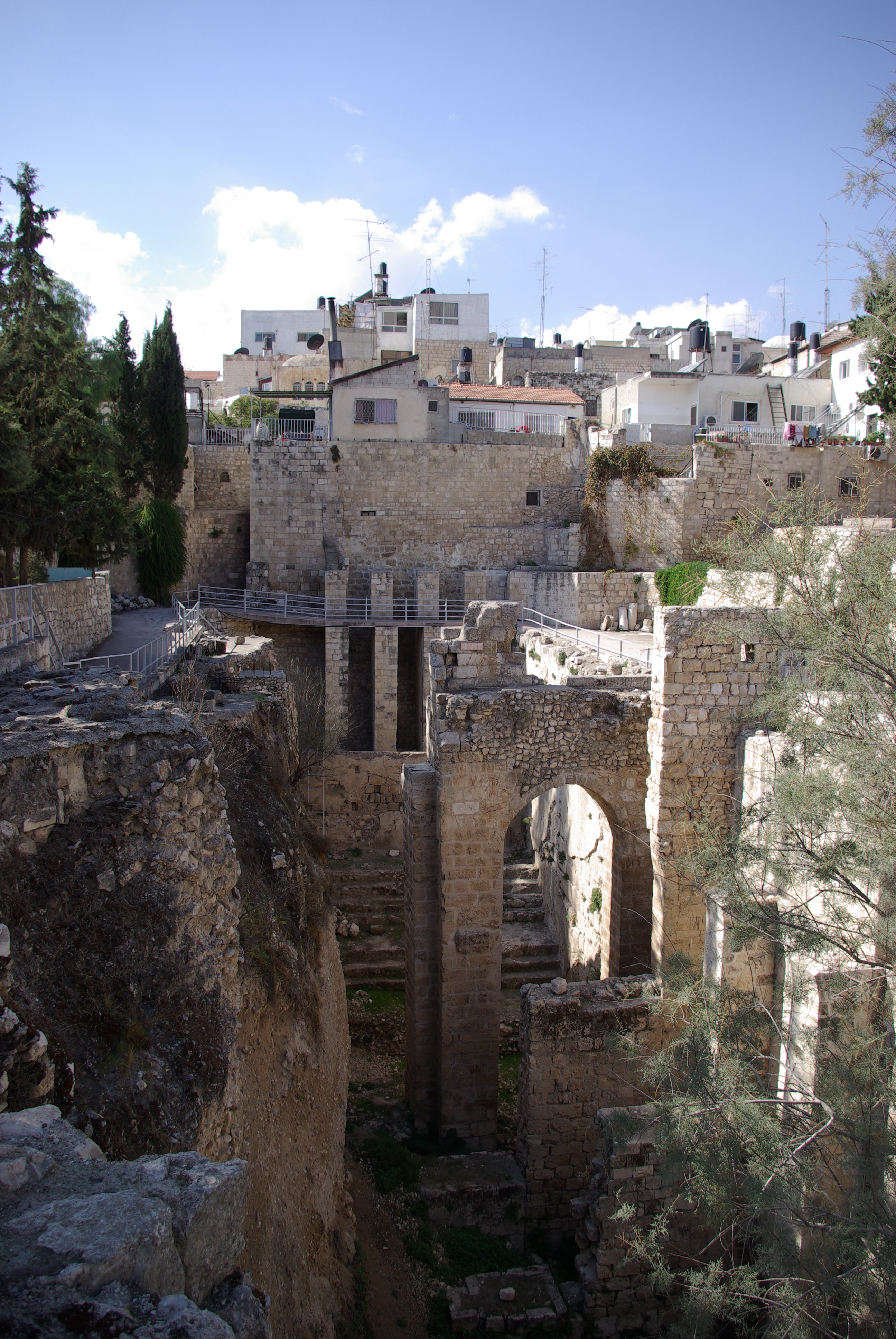 site
siteThe Pool of Bethesda
John's five-porticoed pool, lost for 1,800 years
 site
siteThe Pool of Siloam
Where Jesus healed the man born blind
 site
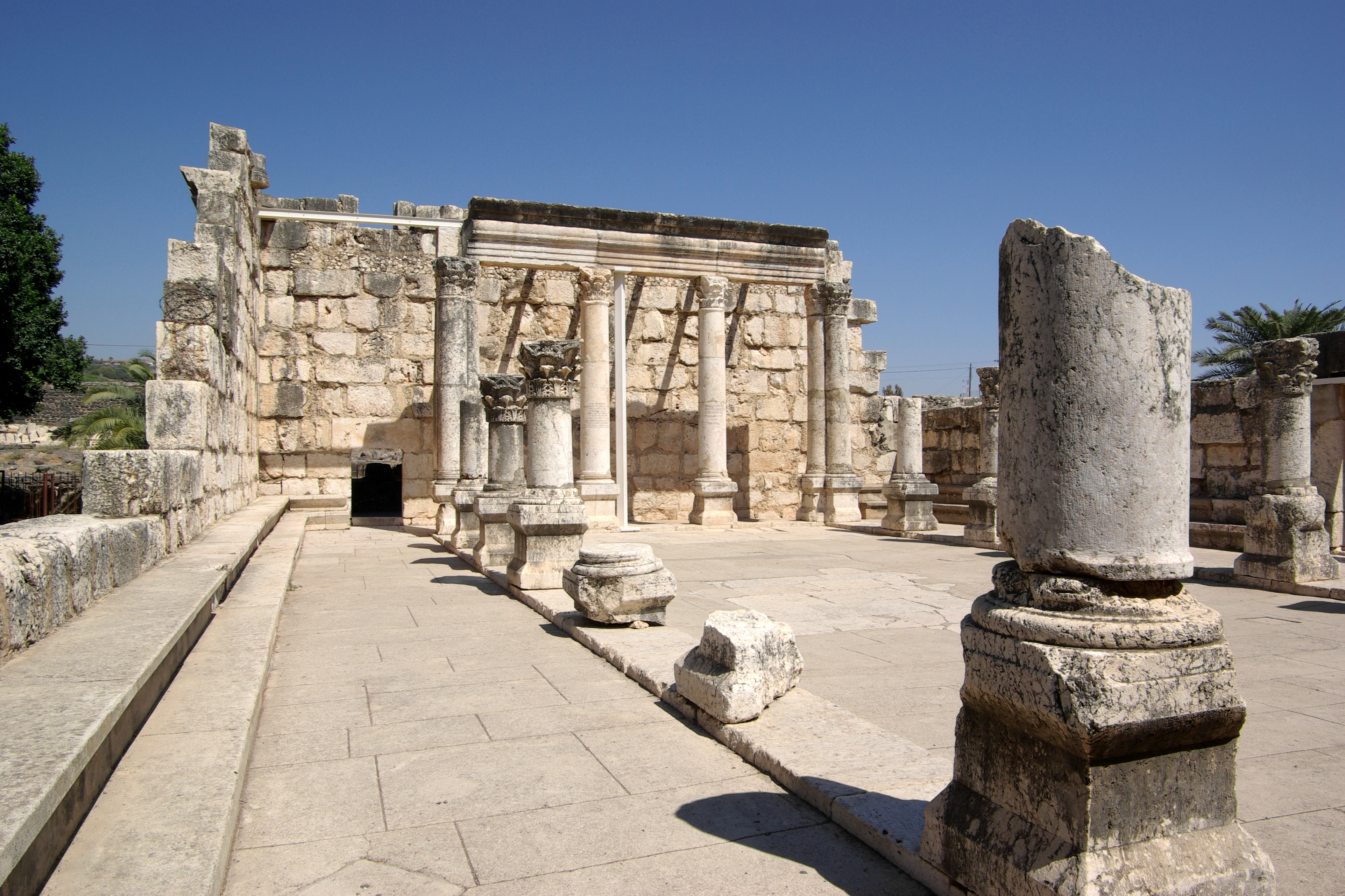
siteThe Capernaum Synagogue
Jesus's adopted hometown
 tomb
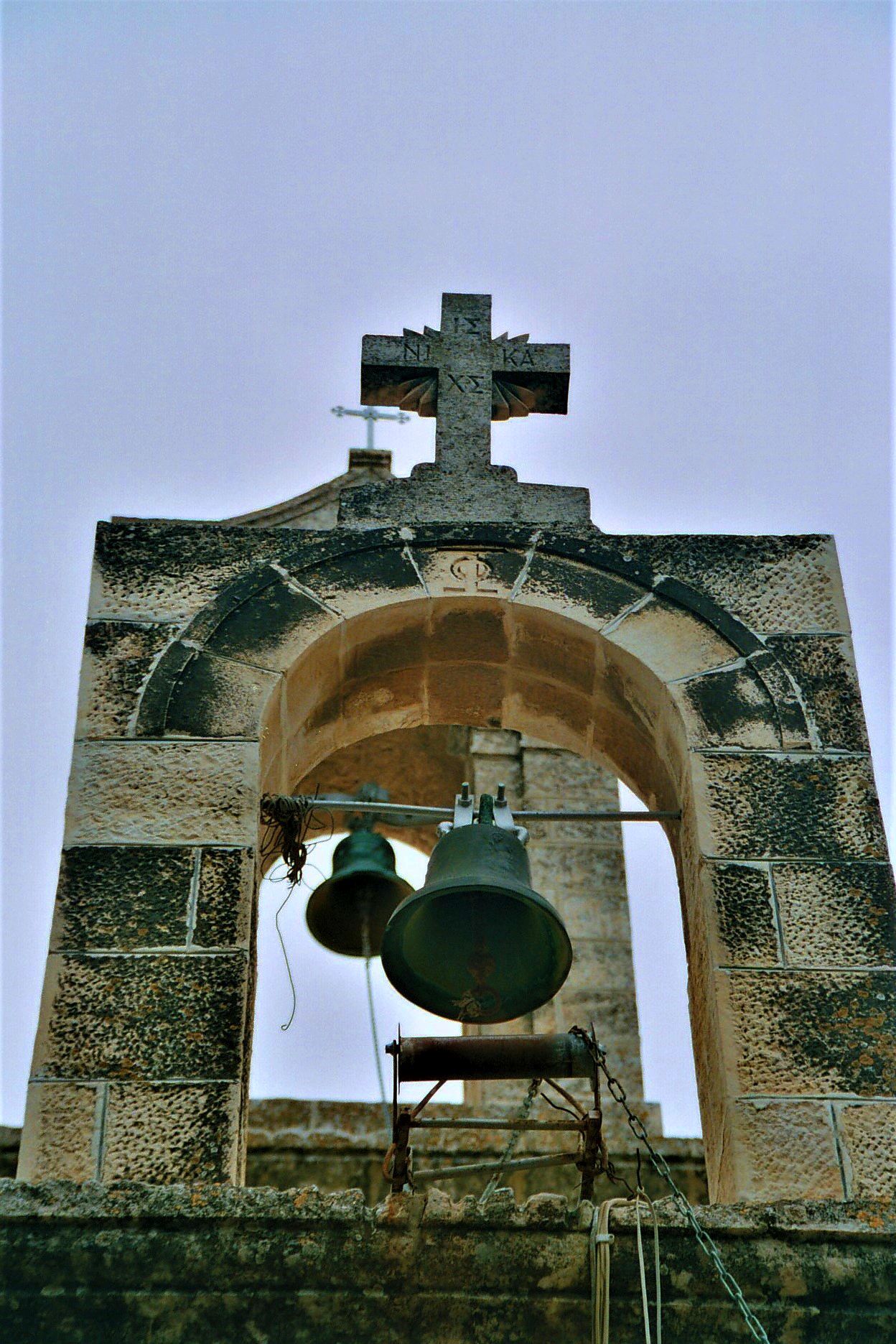
tombThe Tomb of Lazarus
The rock-cut chamber at Bethany identified since the fourth century as the tomb where Jesus called Lazarus forth — the modern village name al-Eizariya preserves it
 coin
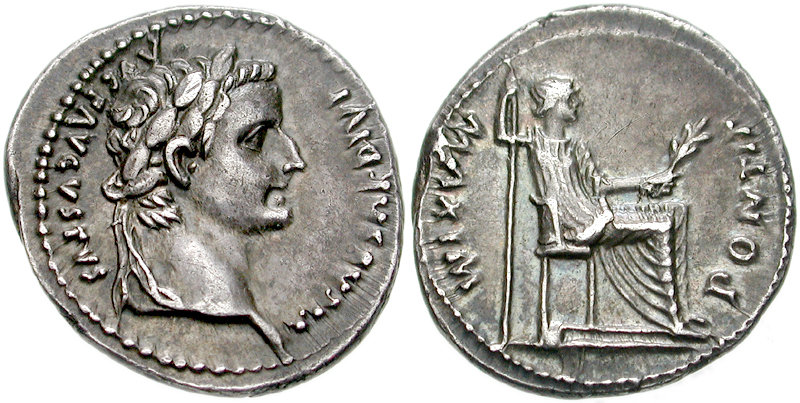
coinThe Tribute Penny — Denarius of Tiberius
The silver Roman denarius bearing the image and inscription Jesus pointed to in the Temple courts — "Whose image and inscription is this?"
 ossuary
The Caiaphas Ossuary
The bone box of the high priest who tried Jesus
 inscription
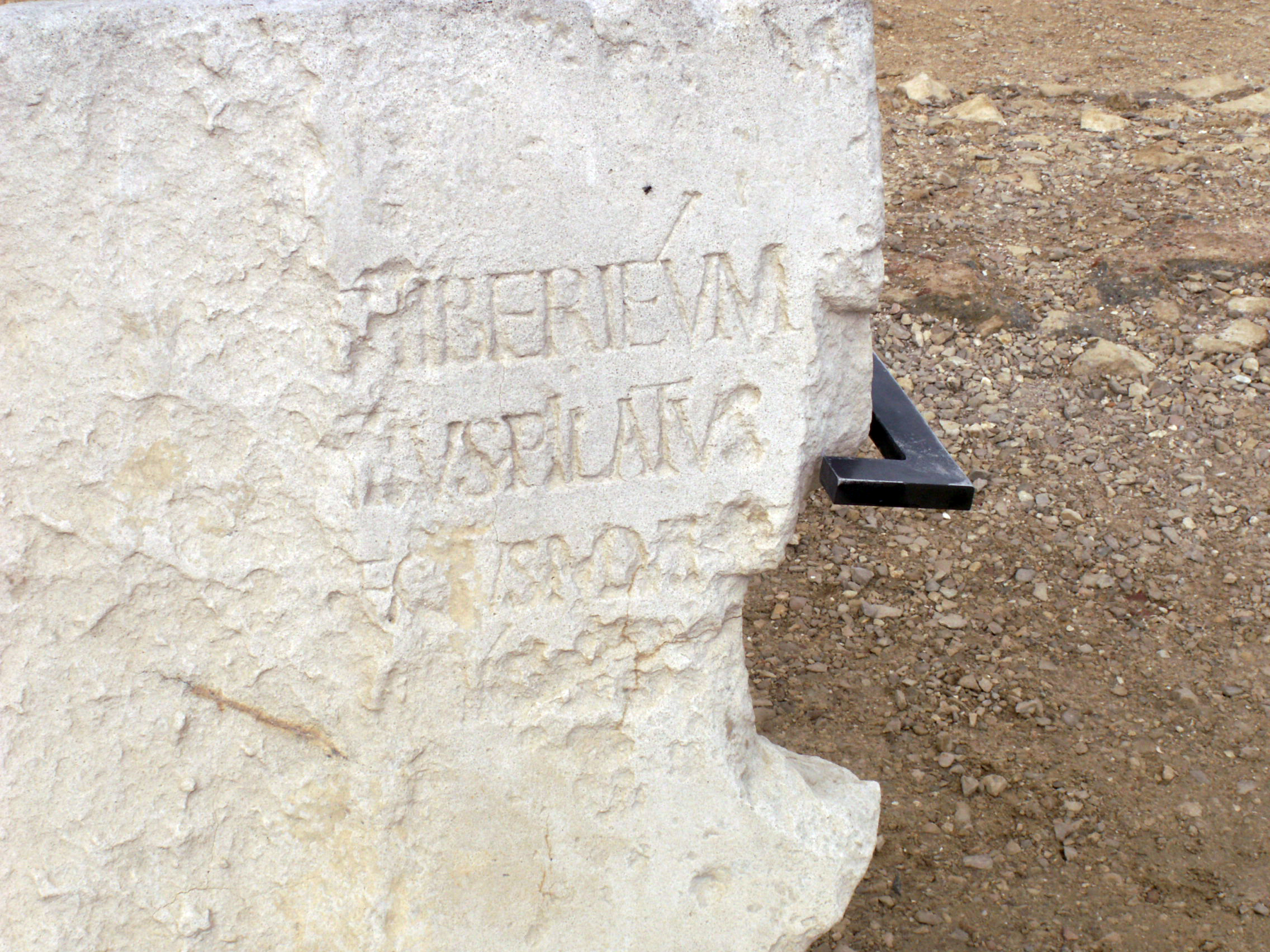
The Pilate Stone
A limestone block bearing Pilate's name
 coin
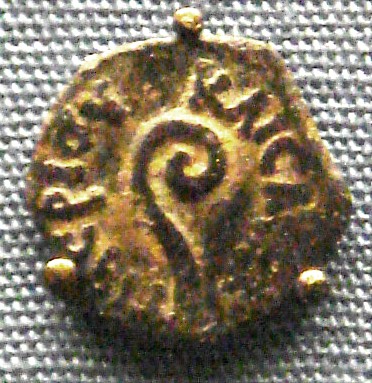
coinThe Pontius Pilate Prutah
The small bronze coins minted by the prefect of Judea bearing pagan augural symbols — the only Judean prefect to put such imagery on his coinage
 tomb
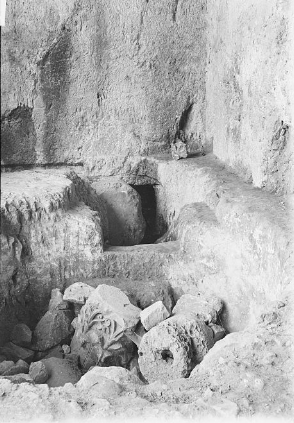
tombThe Tomb of Helena of Adiabene
The monumental Roman-period rolling-stone tomb on Sultan Suleiman Street — long called the "Tombs of the Kings," but actually the burial of a 1st-century convert queen, attested in Josephus
 inscription
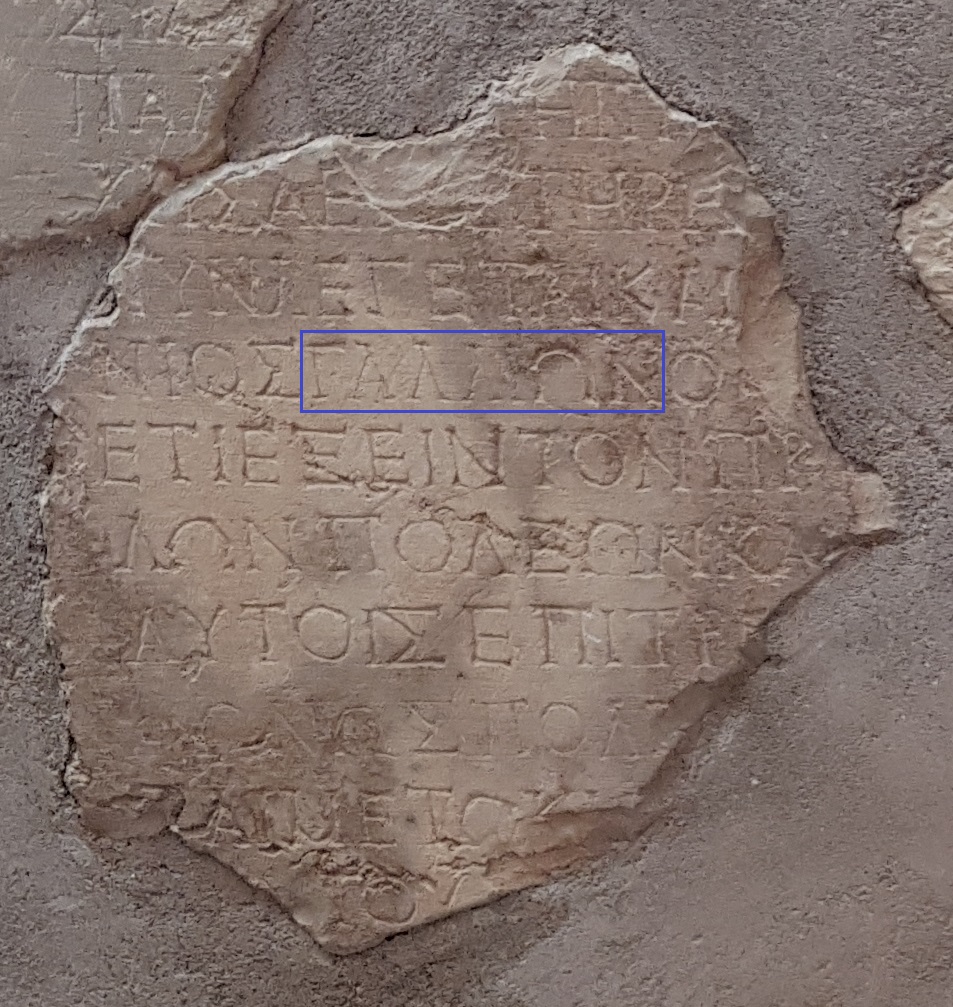
The Gallio Inscription at Delphi
The carved imperial letter that fixes the apostle Paul in Corinth — AD 51 to 52 — and anchors the chronology of the entire New Testament
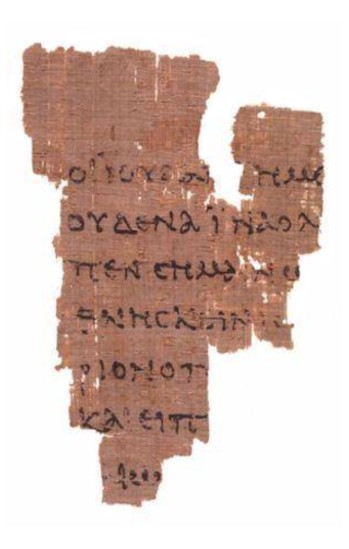 papyrus
P52 (Rylands Papyrus)
The earliest fragment of the New Testament
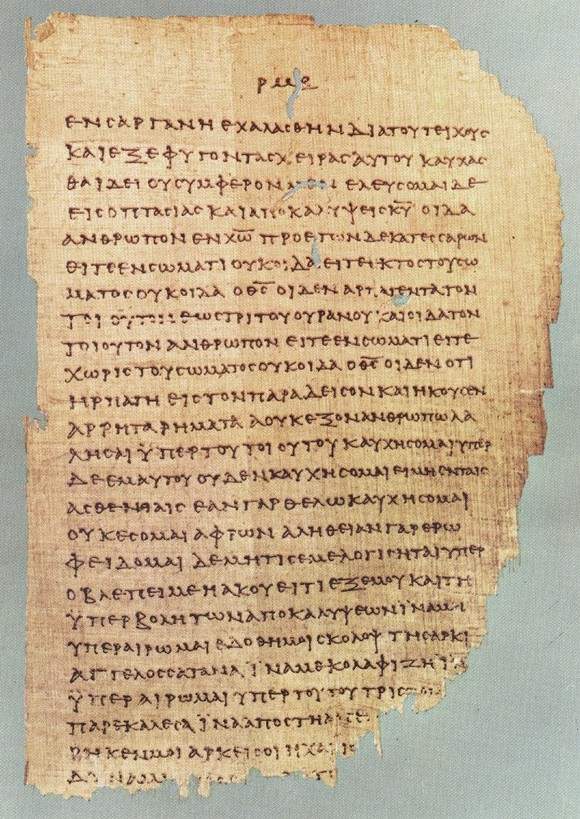 papyrus
P46 (Chester Beatty II)
Paul's letters from around 200 AD
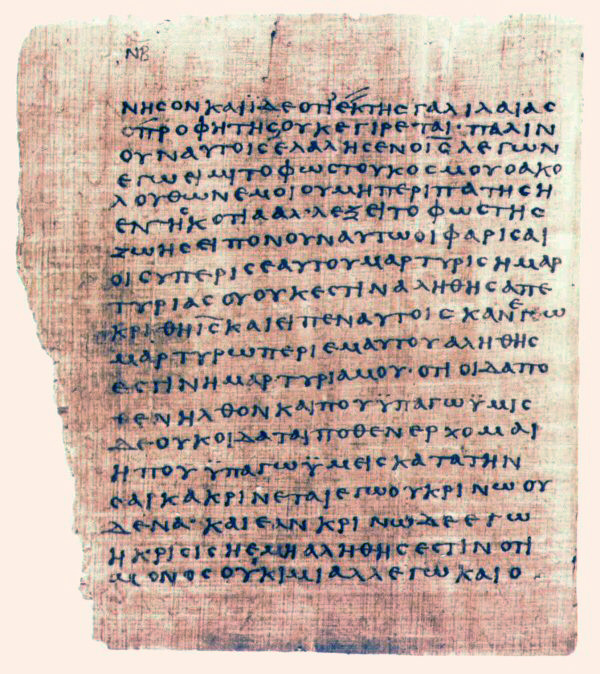 papyrus
P66 (Bodmer II)
A complete copy of John from around 200 AD
Apostolic
_(cropped).jpg) site
siteThessalonica
Roman provincial capital of Macedonia — the city of Acts 17, the Galerian arch, and the long Christian continuity through Hagios Demetrios
 site
siteEphesus
Roman provincial capital of Asia — Paul's two-year ministry, the silversmiths' riot in the Great Theatre, the Library of Celsus, and the lost Artemision
 site
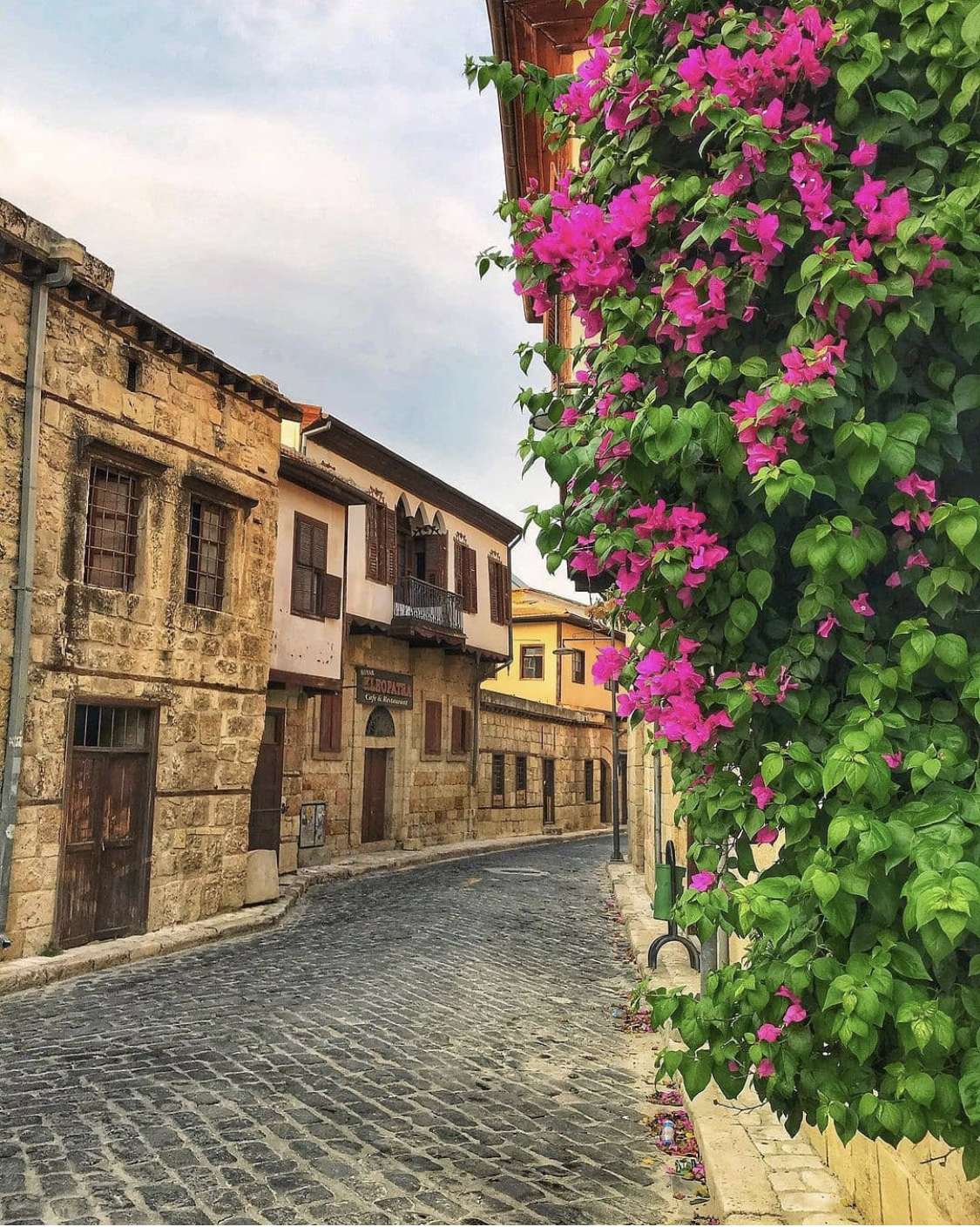
siteTarsus
Cilician capital, Stoic philosophical center, and hometown of Paul — "a citizen of no mean city"
 site
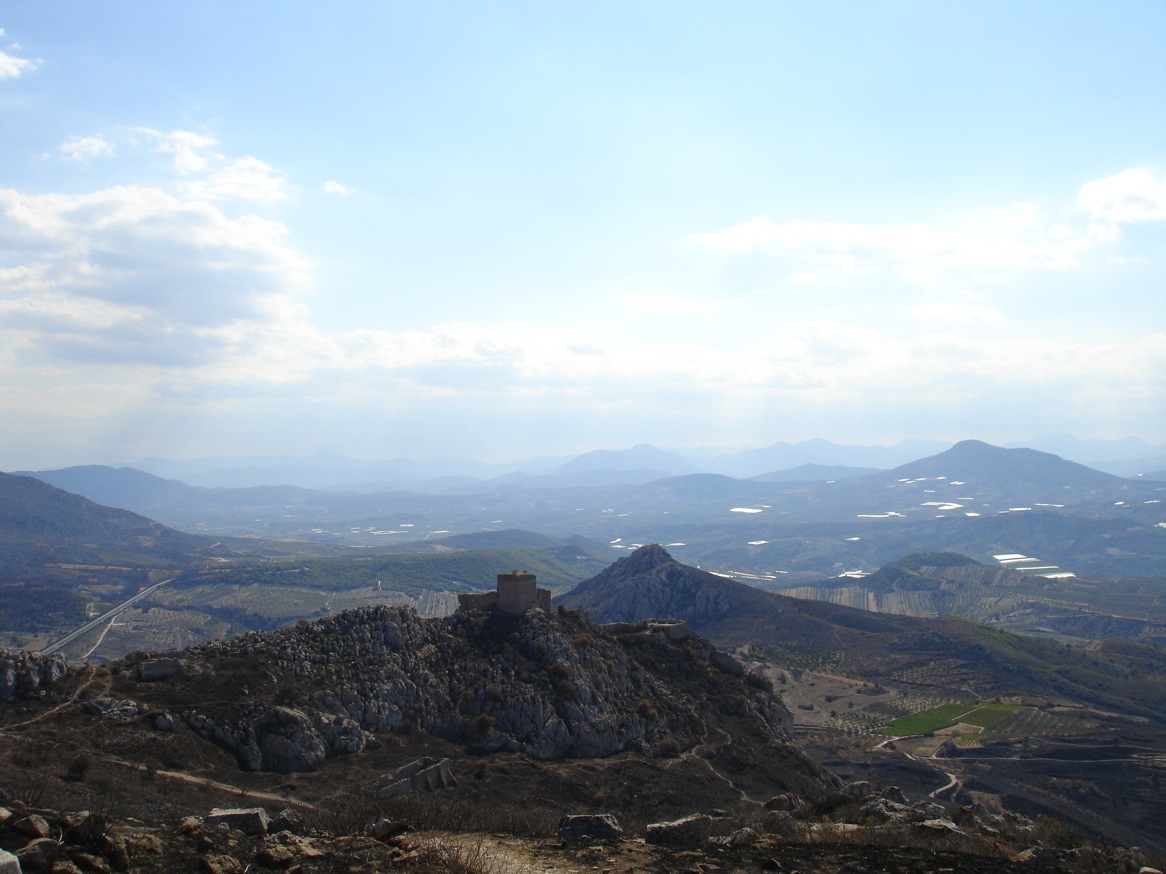
siteCorinth
Roman provincial capital of Achaia — the Bema where Paul appeared before Gallio (Acts 18) and the Erastus inscription from the theater pavement
 site
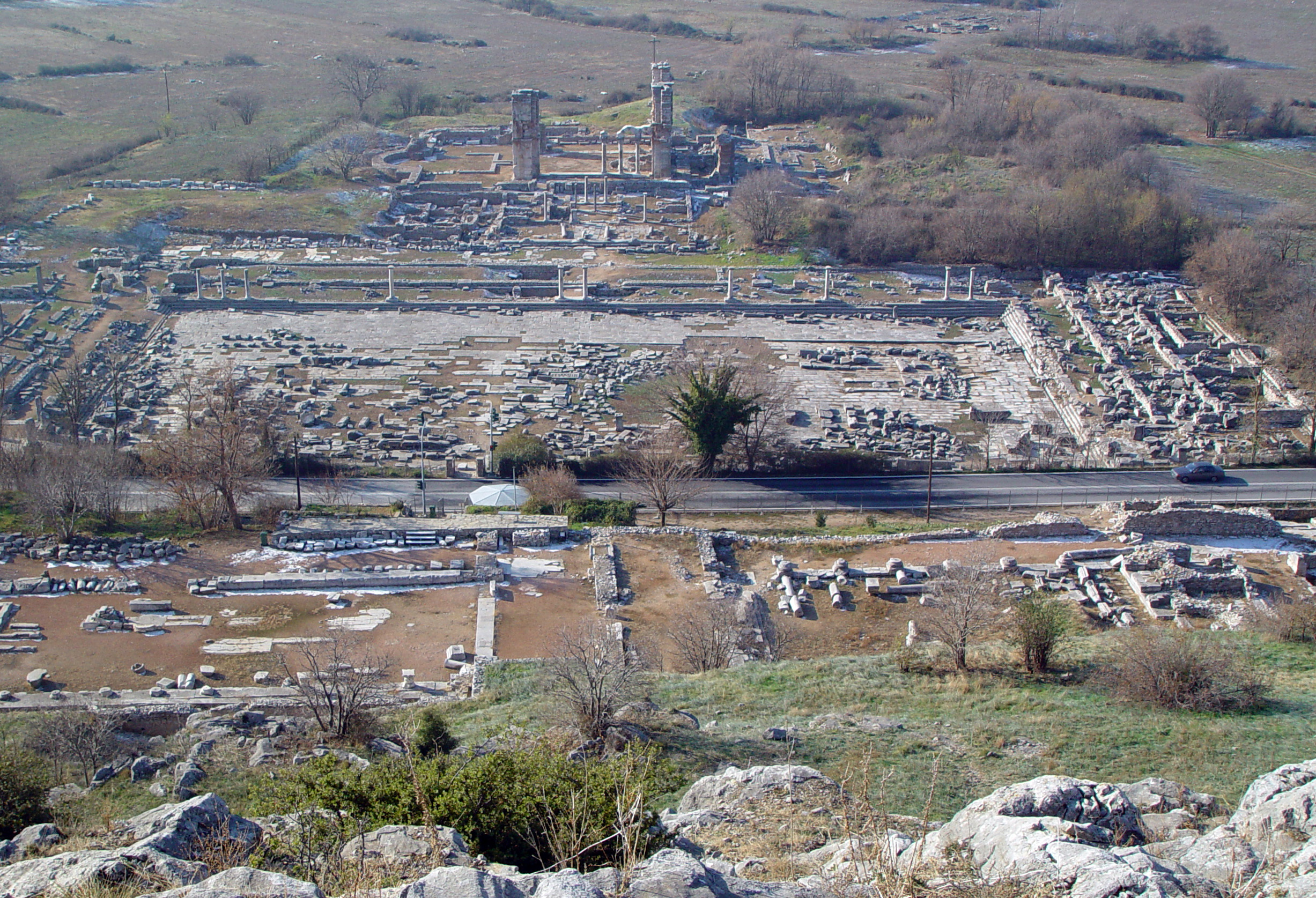
sitePhilippi
Roman colony on the Via Egnatia — first European city Paul evangelized, where Lydia was baptized and Paul and Silas sang in the prison
.jpg) tomb
tombThe Garden Tomb, Jerusalem
A 19th-century rock-cut tomb proposed as an alternative site for the crucifixion and burial of Jesus, reshaping modern debates over Gospel topography
 inscription
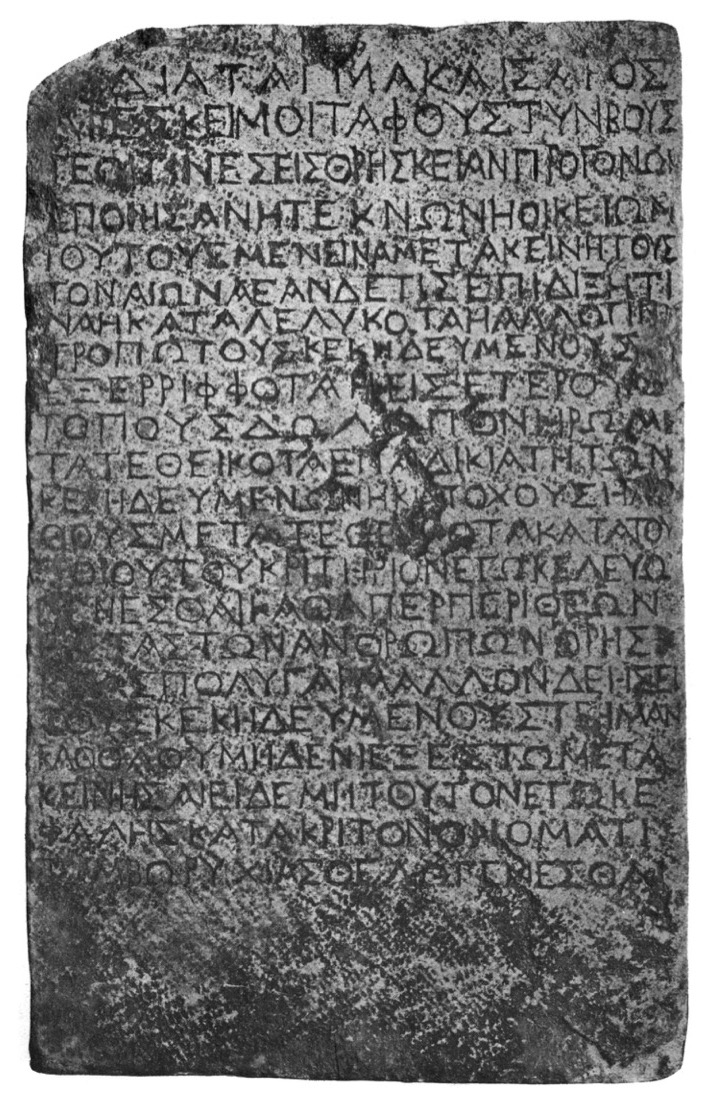
The Nazareth Inscription
A Greek imperial edict on white marble threatening capital punishment for tomb robbery — once tied to the resurrection narratives, now reassigned to the Aegean
%2C_under_Nero_-_Coinsandrings.jpg) coin
coinThe Porcius Festus Prutah
A bronze coin struck under the Roman procurator before whom Paul appealed to Caesar, corroborating the Acts 25 narrative
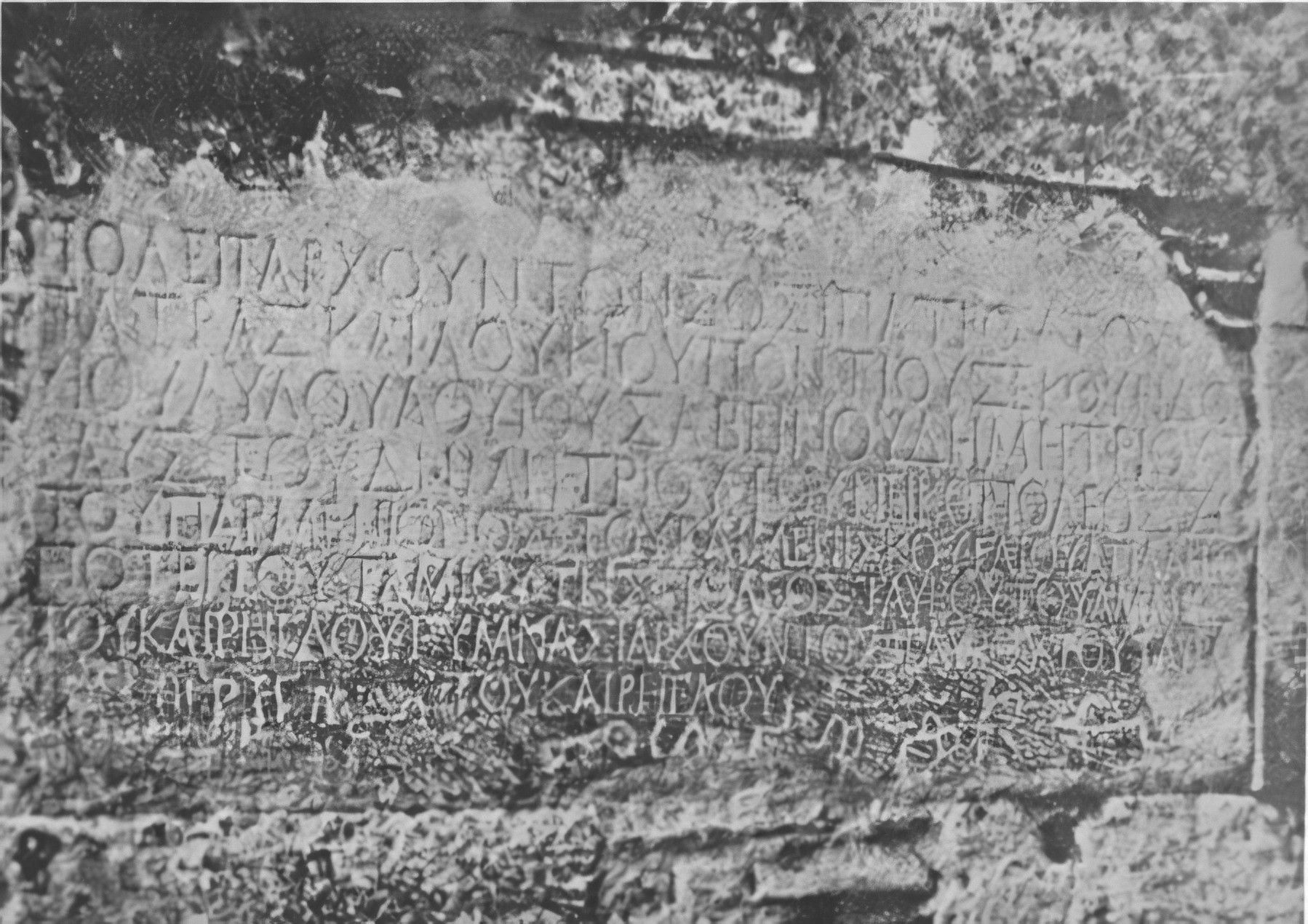 inscription
The Politarch Inscription
The Greek inscription from Thessalonica that confirms Luke's precise civic terminology in Acts 17:6 — a word once thought to be his mistake
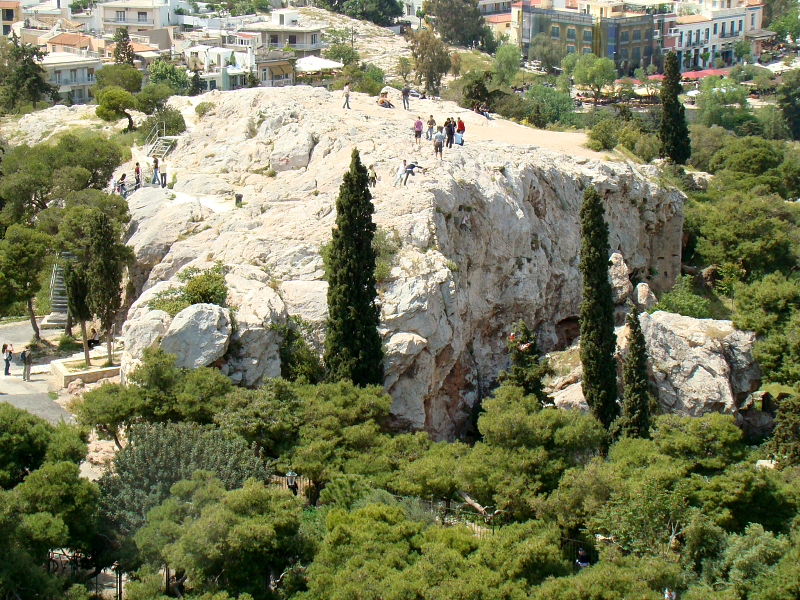 site
siteAthens (Areopagus / Mars Hill)
The limestone outcrop west of the Acropolis where Paul preached the "Unknown God" sermon — Acts 17 in the seat of the Athenian civic court
_-_Facciata_(Mamertinum).jpg) site
siteRome (Mamertine Prison and San Clemente)
The Tullianum prison at the foot of the Capitoline and the four-level basilica of San Clemente — two Roman sites carrying the apostolic and sub-apostolic memory of the city
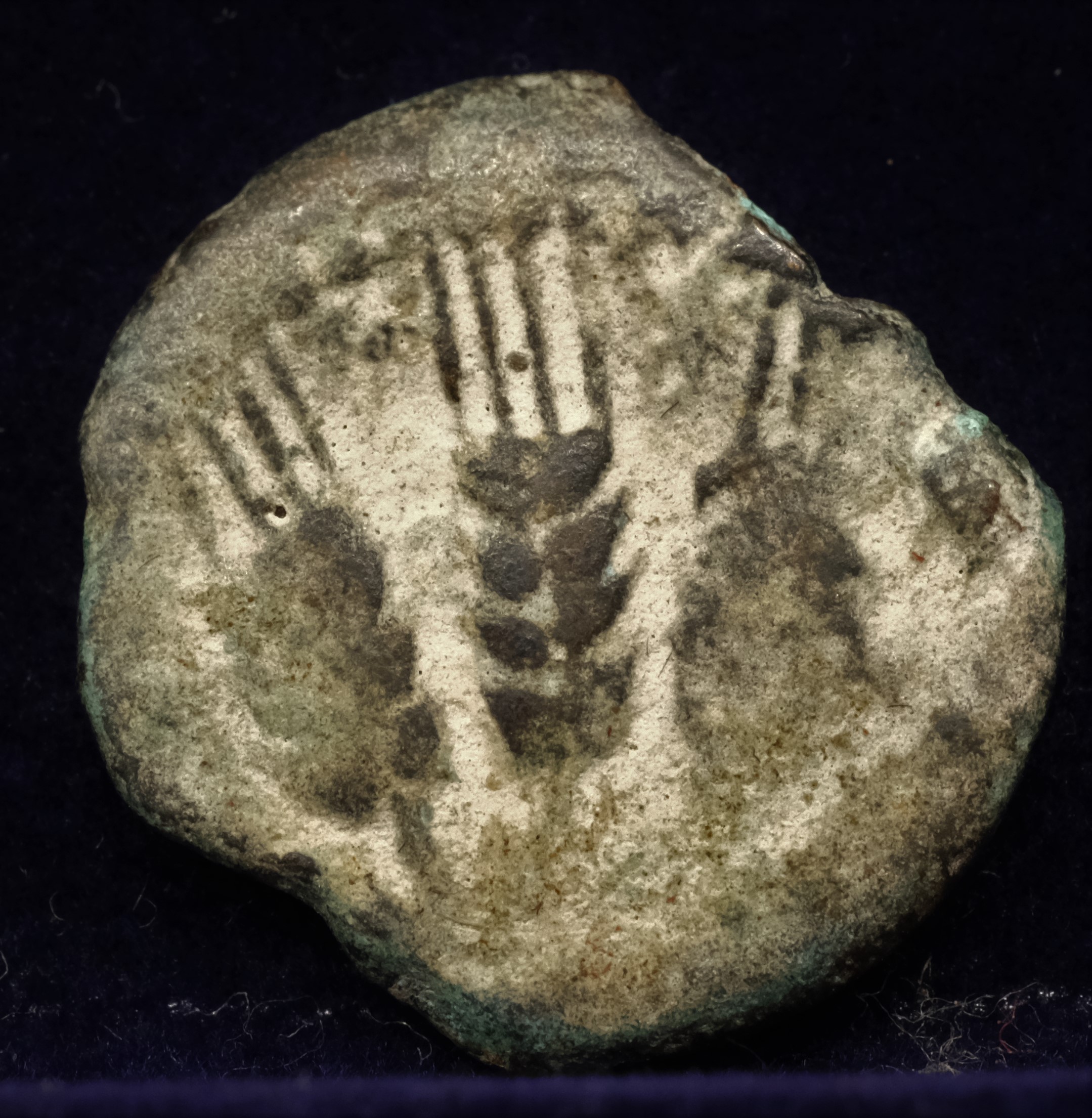 coin
coinThe Agrippa II Coinage — Late Herodian Bronzes (AD 50–95)
Bronze issues of the last Herodian client king, documenting Roman imperial cult, Flavian patronage, and the political world of the apostolic-era Levant
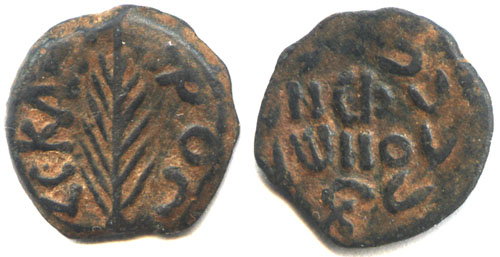 coin
coinThe Antonius Felix Prutah
A bronze coin struck under the Roman procurator before whom Paul stood trial, anchoring Acts 24 in datable numismatic evidence
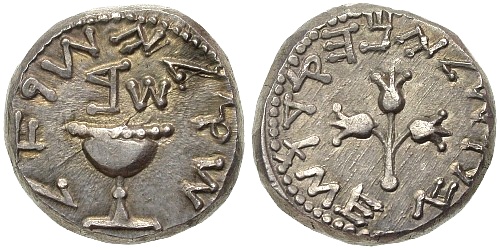 coin
coinFirst Jewish Revolt Year 5 Silver Shekel
The last coin Jerusalem ever struck as a sovereign city — minted in the spring of AD 70 in the final weeks before the Roman siege closed off the Temple
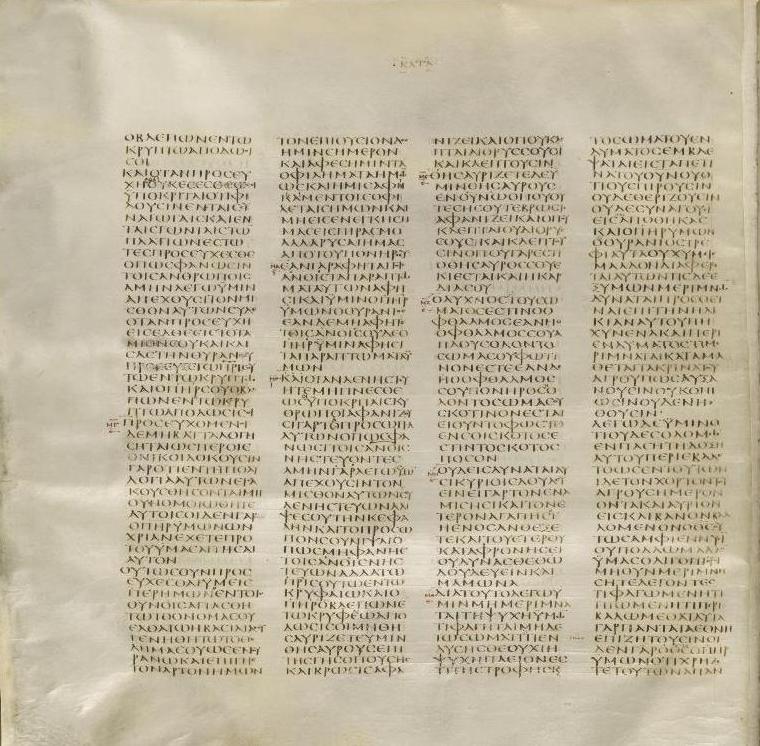 codex
codexEpistle of Barnabas (Codex Sinaiticus)
A second-century early Christian text preserved in Codex Sinaiticus, illuminating scriptural interpretation and Jewish-Christian relations in the post-apostolic period
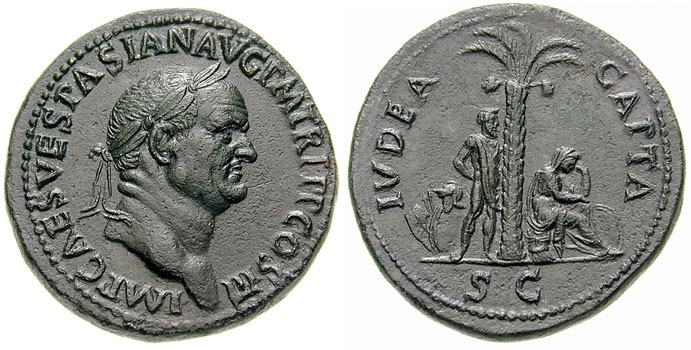 coin
coinThe Vespasian Judaea Capta Sestertius
Roman bronze commemorative coin of AD 71 documenting the destruction of Jerusalem and the defeat of Judea under Vespasian
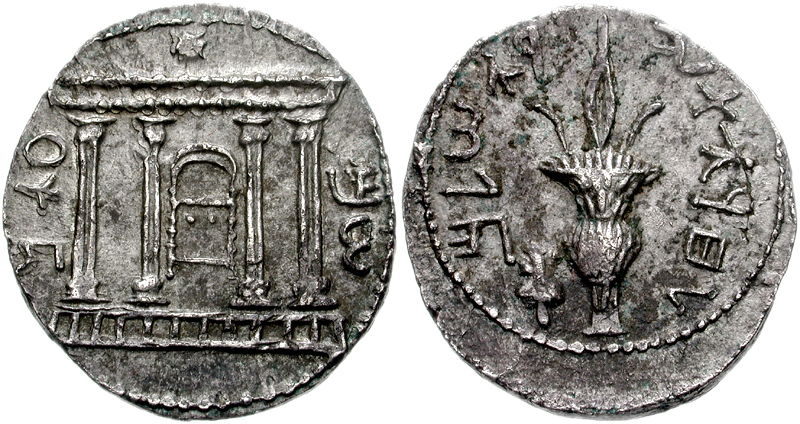 coin
coinBar Kokhba Revolt Tetradrachm
The silver coin of the Second Jewish Revolt depicting the destroyed Jerusalem Temple — overstruck on Roman silver three generations after the burning
 site
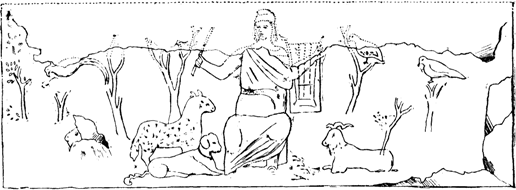
siteThe Catacombs of Rome
A buried world of early Christian burial and worship
 mosaic
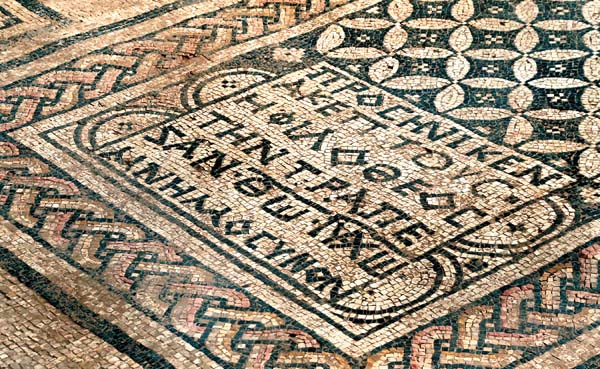
The Megiddo Mosaic
The earliest Christian inscription naming Jesus as God
 site
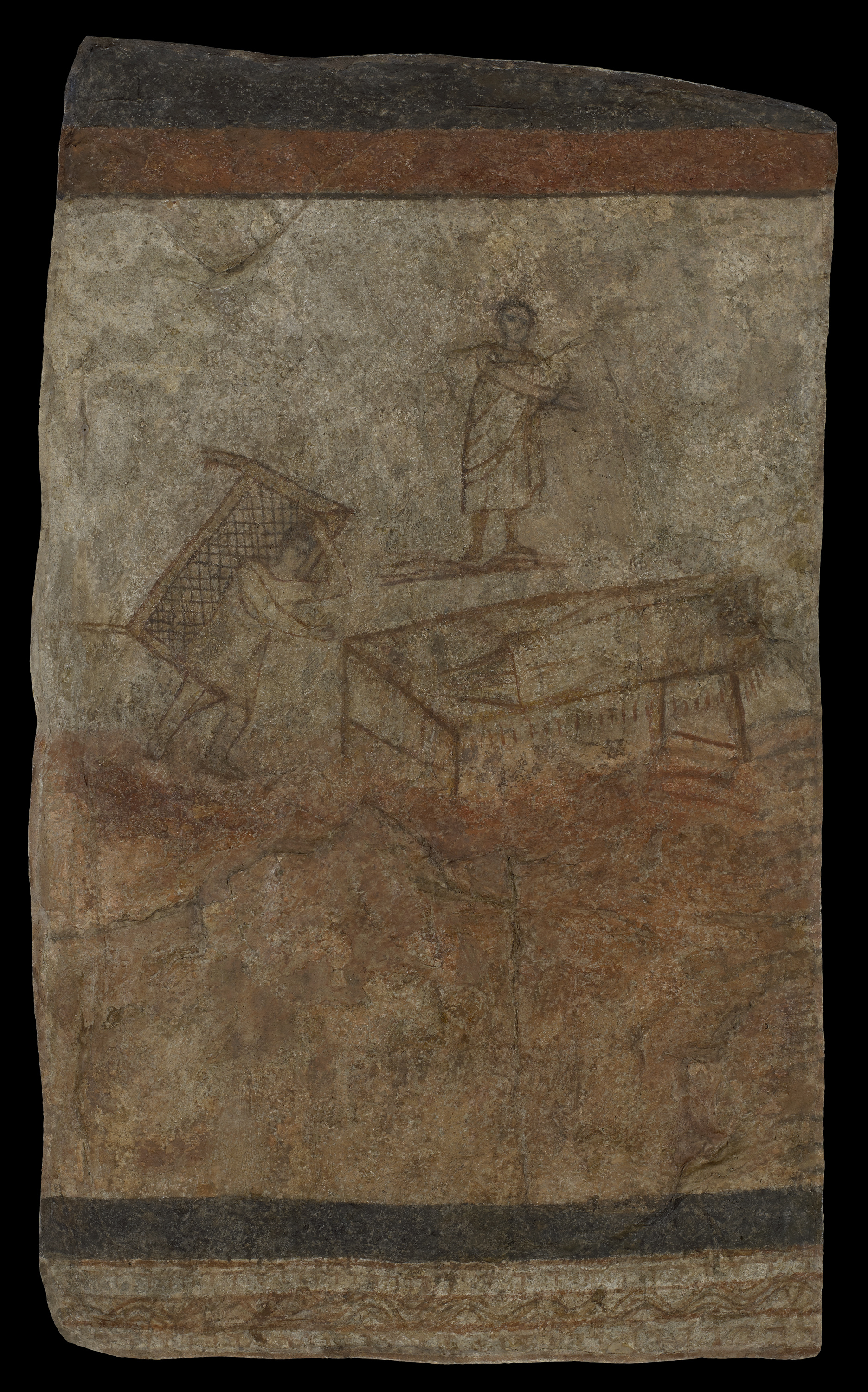
siteDura-Europos House Church
The world's oldest surviving Christian building
 codex
codexCodex Vaticanus
The greatest Greek Bible manuscript
codexCodex Sinaiticus
The earliest complete New Testament
 codex
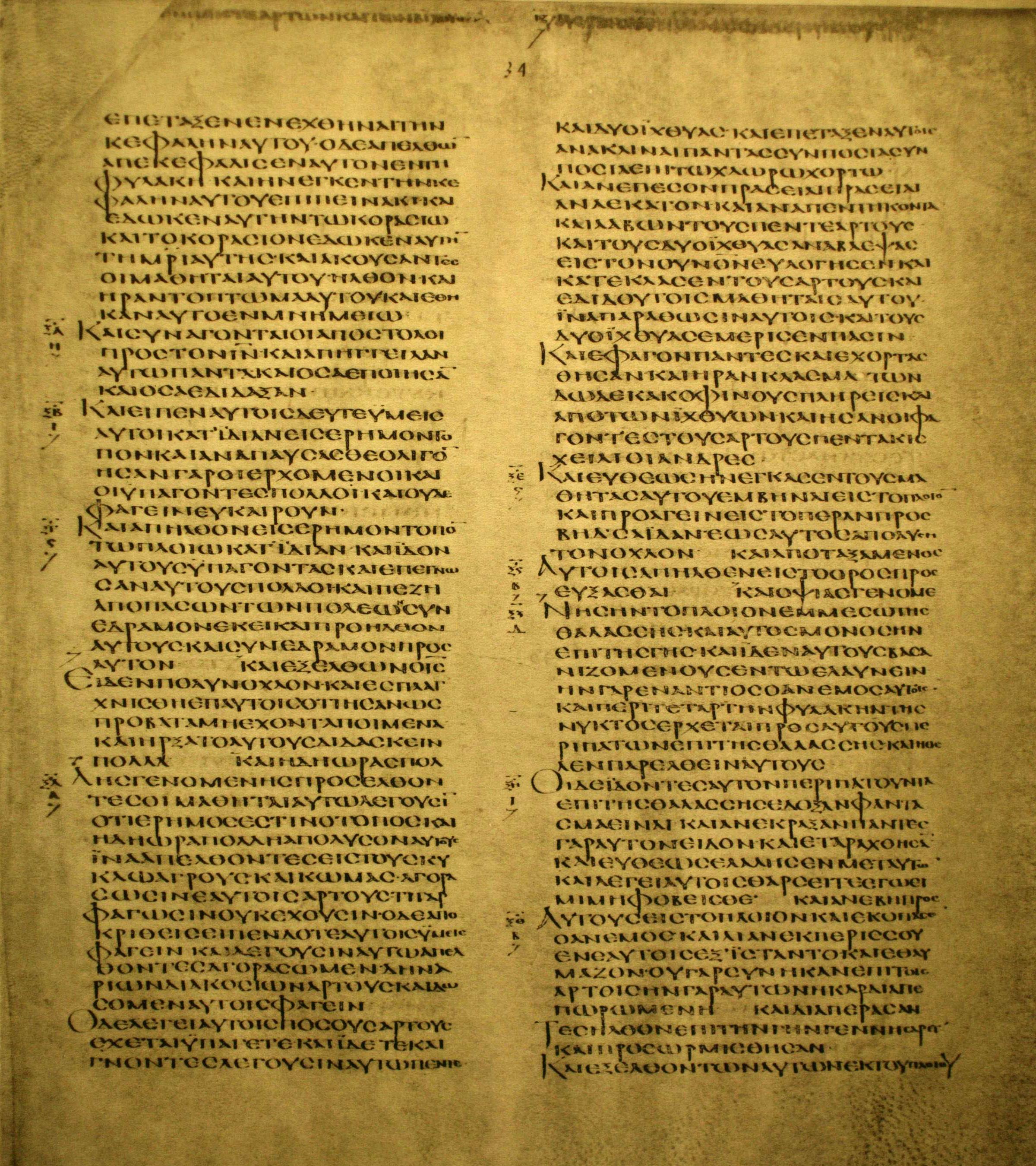
codexCodex Alexandrinus
The 5th-century jewel of the British Library
Church Fathers
 manuscript
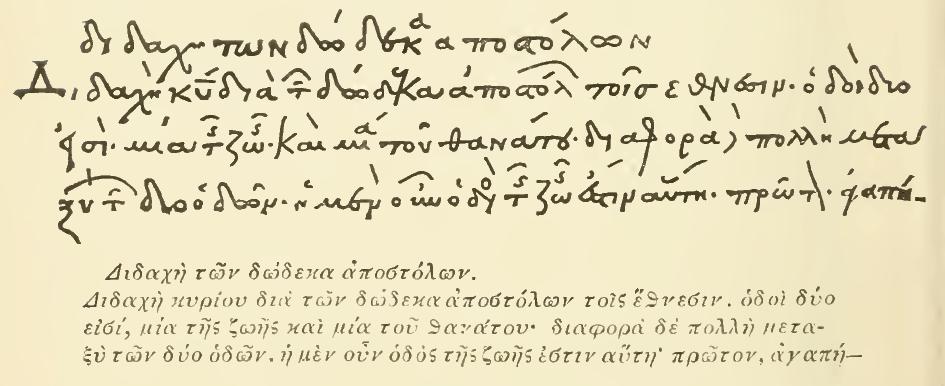
The Didache
A 1st-century church manual lost for 1,400 years
 manuscript
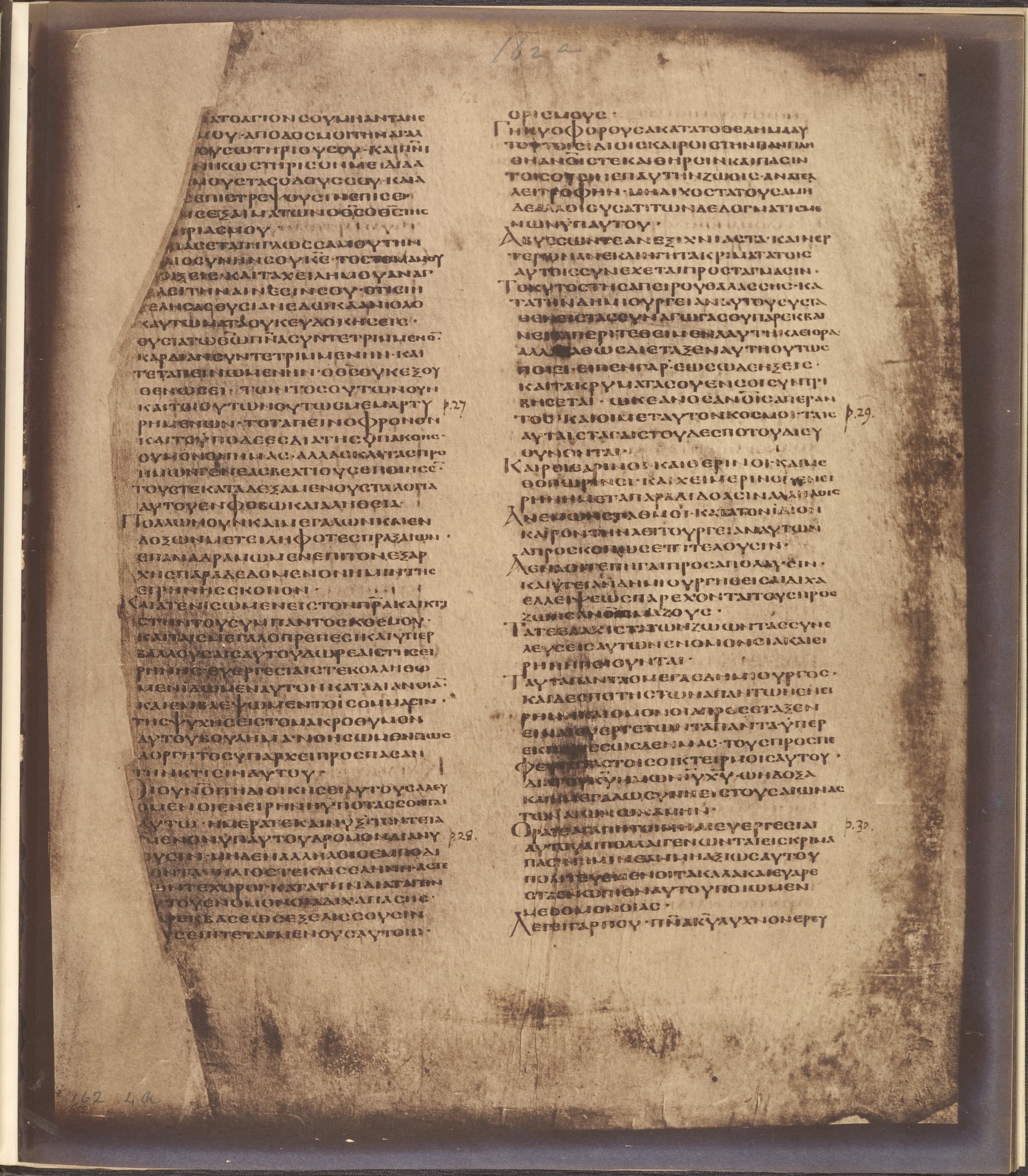
1 Clement
A letter from Rome to Corinth written before 100 AD
 manuscript
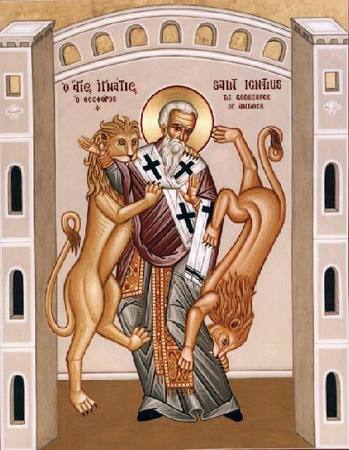
The Letters of Ignatius
A bishop writes seven letters on his way to martyrdom
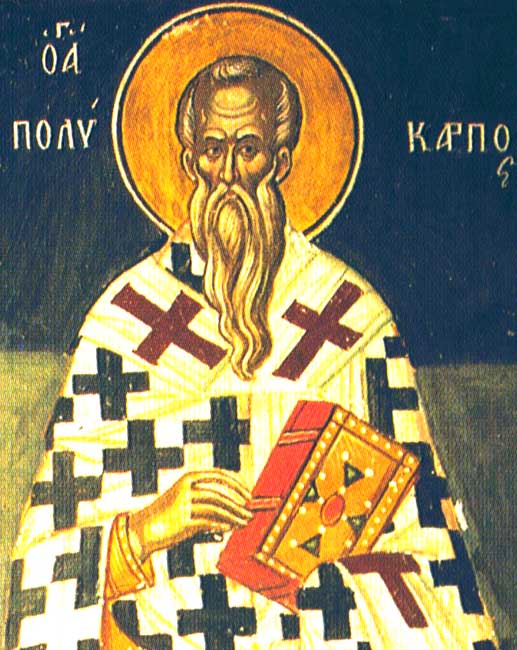 manuscript
The Martyrdom of Polycarp
The oldest detailed martyr account
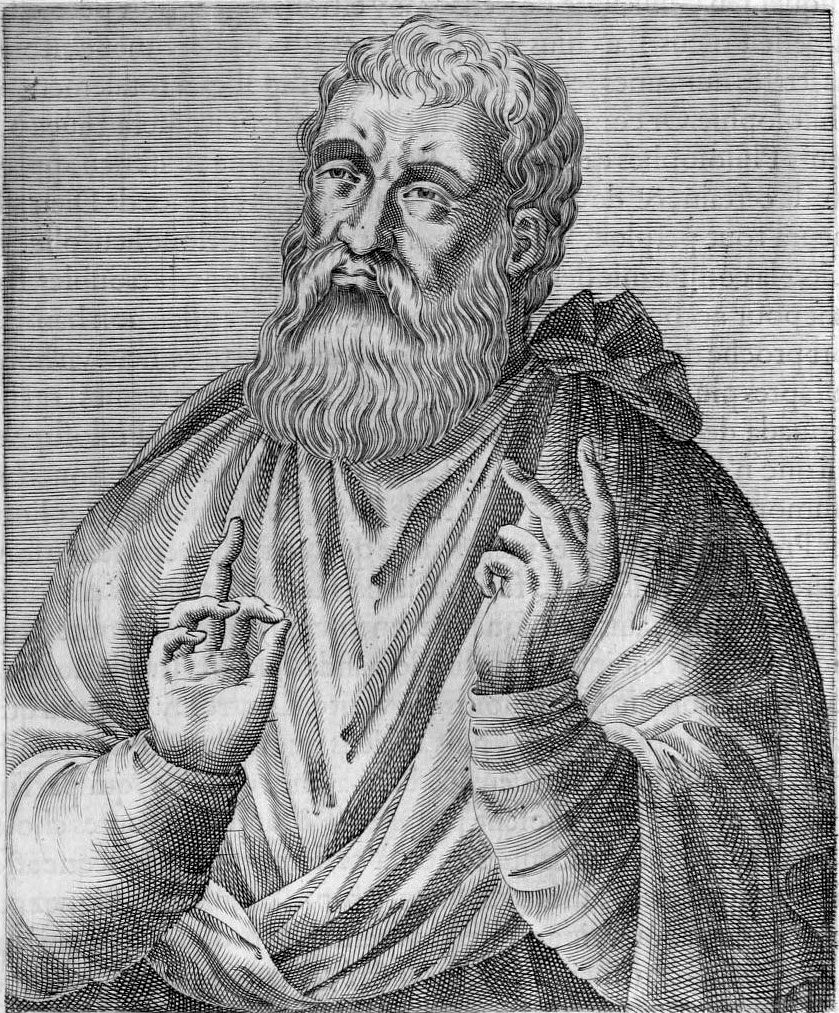 manuscript
Justin Martyr's First Apology
A philosopher defends the faith to the emperor
 manuscript
Irenaeus, Against Heresies
The first systematic defense of orthodox Christianity
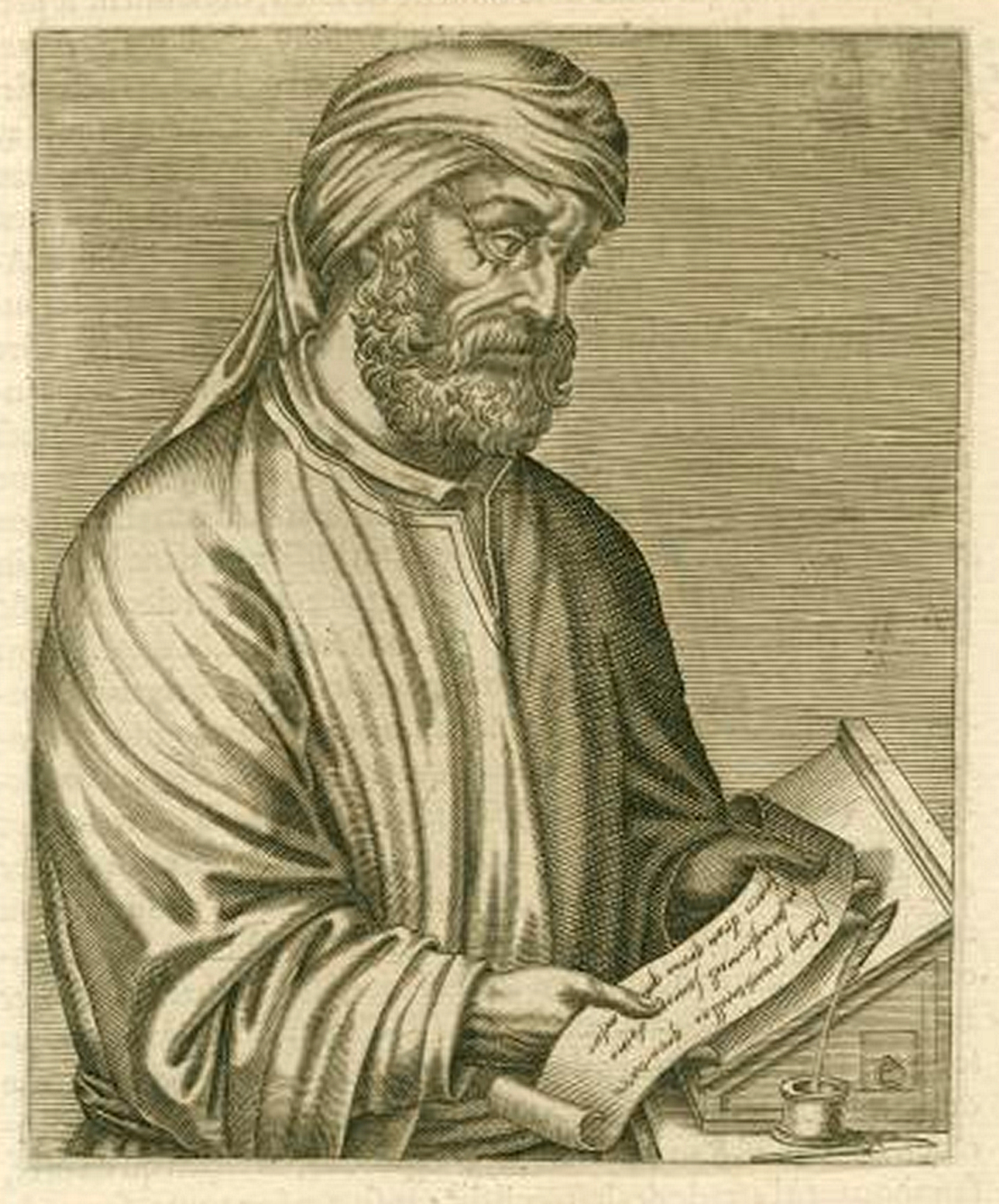 manuscript
Tertullian's Apology
The first Latin defense of Christianity
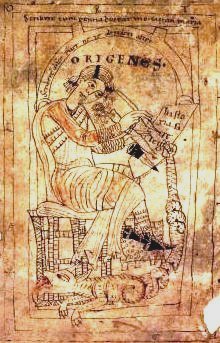 manuscript
Origen's Hexapla
A six-column comparison of the Old Testament
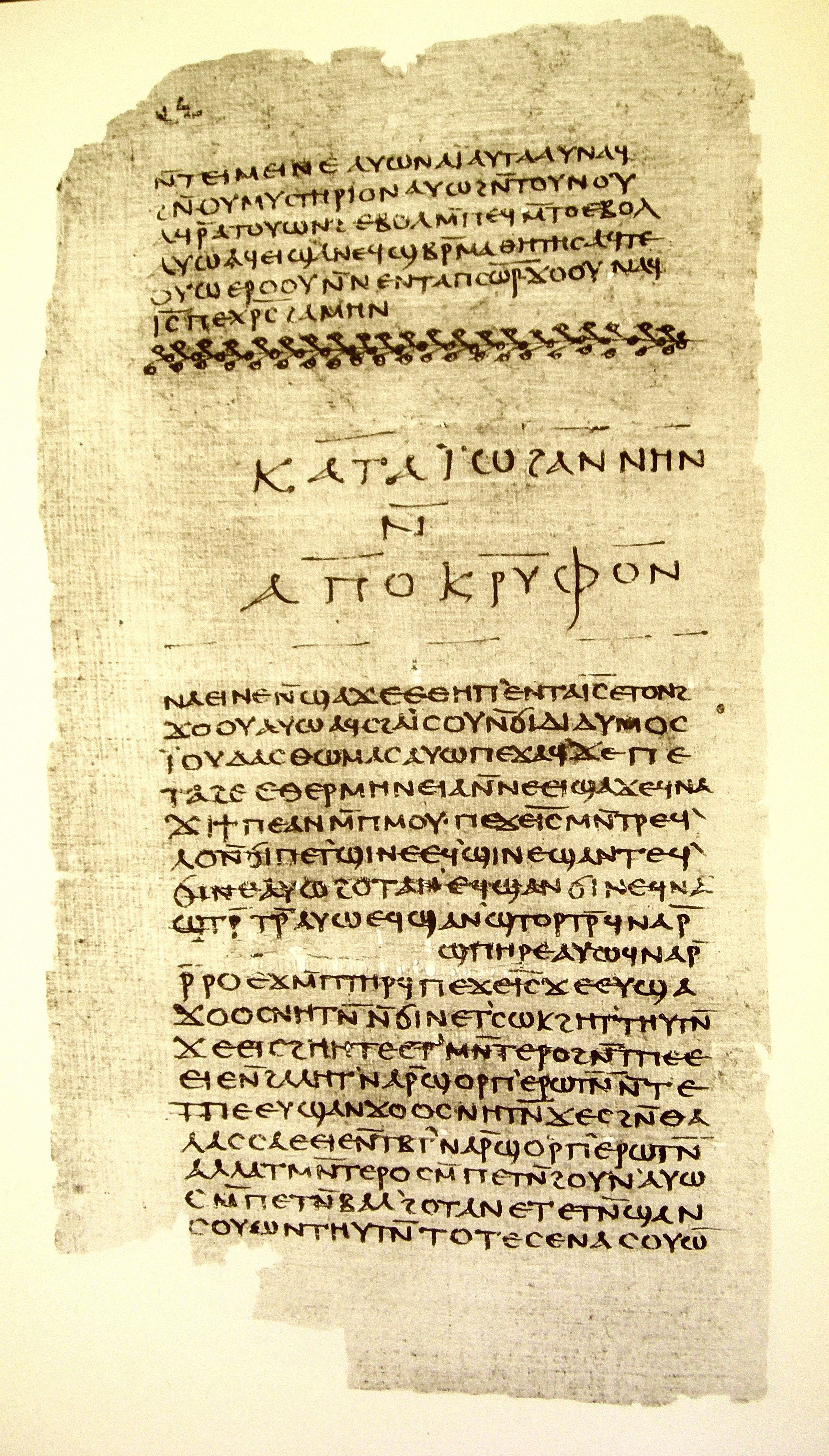 codex
codexThe Nag Hammadi Library
52 Gnostic texts that show what the orthodox Fathers were arguing against
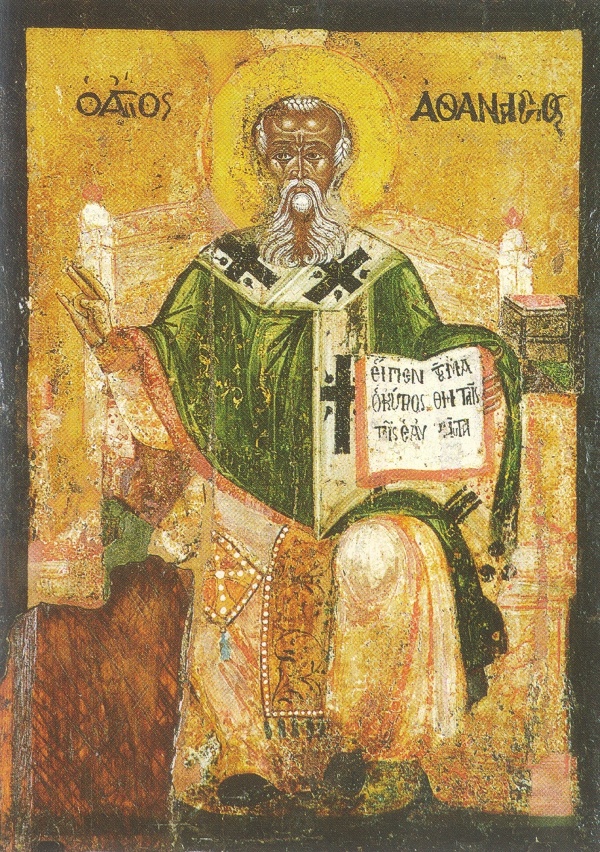 manuscript
Athanasius's 39th Festal Letter
The first list of all 27 New Testament books
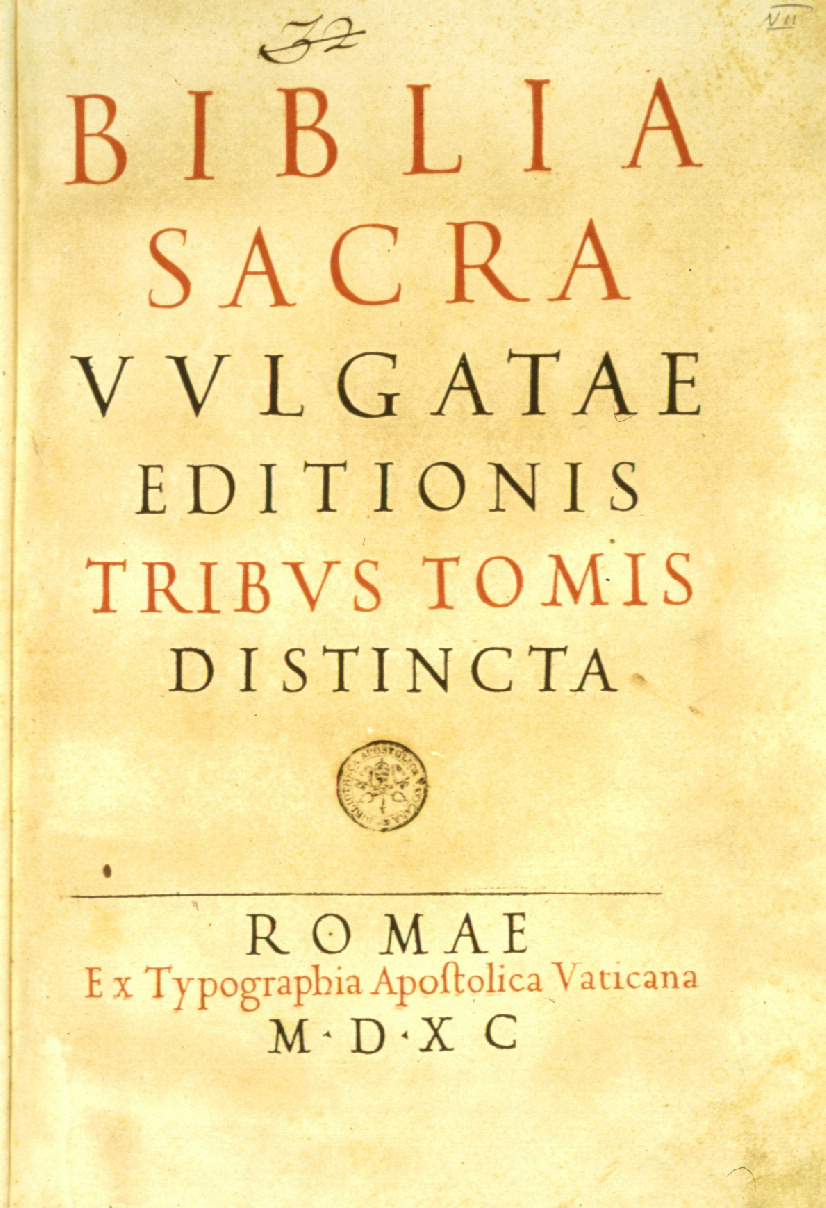 manuscript
Jerome's Vulgate
The Latin Bible that shaped the Western church
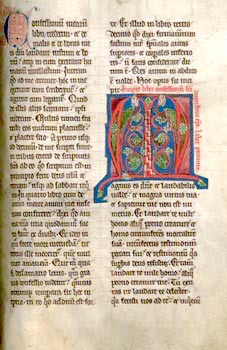 manuscript
Augustine's Confessions (Earliest Manuscripts)
The first Western autobiography
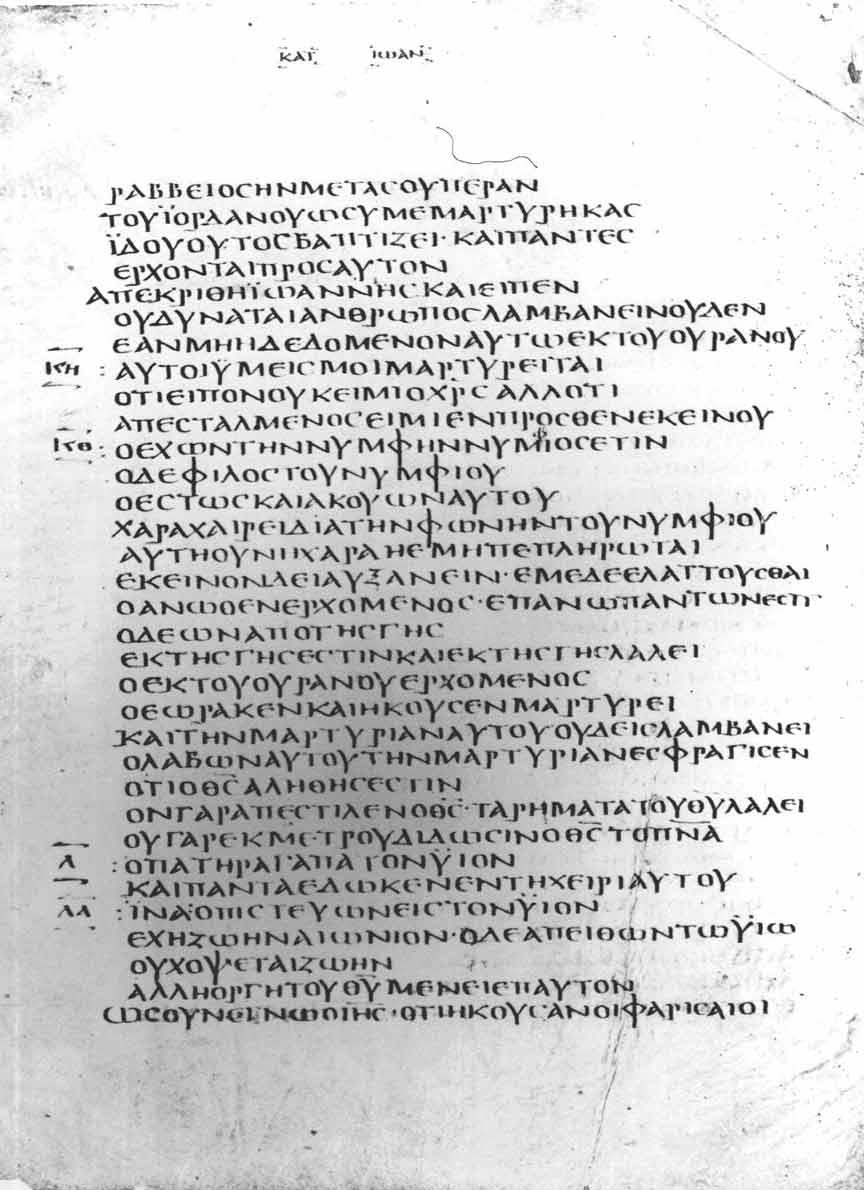 codex
codexCodex Bezae
A bilingual Gospels-and-Acts codex