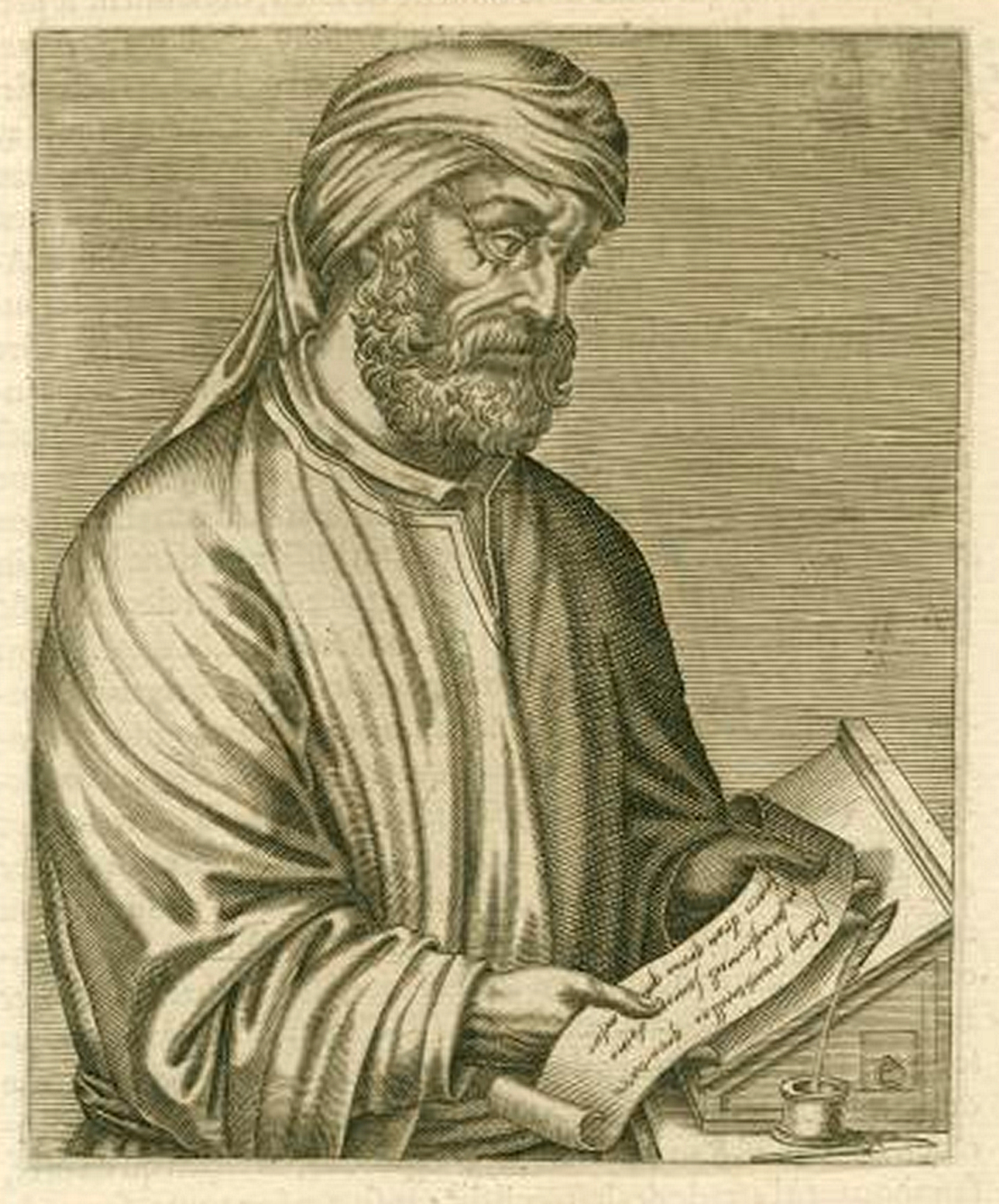
Quintus Septimius Florens Tertullianus, born in Carthage around AD 155-160 to a pagan family, trained as a Latin lawyer and converted to Christianity sometime before 197. His Apology (Apologeticum), composed late that year or early in 198, is the first major theological work in Latin and one of the most rhetorically polished defenses of Christianity from the early empire. It was addressed not to the emperor but to the provincial governors of the Roman world; Tertullian writes as a lawyer briefing magistrates on the legal incoherence of Christian persecution. The argument is precise. Christians, he insists, are loyal subjects who pray for the emperor's safety, pay their taxes, and obey the law in everything except idolatrous worship. Persecution proceeds not by Roman judicial procedure but by mob violence and procedural irregularity: when accused under regular laws, Christians are punished only for the name itself, without proven crime — a violation of Trajan's own rescript to Pliny. He surveys the absurdity of the standard pagan slanders (atheism, ritual cannibalism, incest), and ends with what became the most quoted line of the work: "the blood of the Christians is seed" (semen est sanguis Christianorum). Tertullian later joined the rigorist Montanist sect, which has complicated his reception in the Catholic and Orthodox traditions; the Apology, however, dates to his catholic period and was uncontroversially received. It established the Latin theological vocabulary that Cyprian, Augustine, and the Western tradition would inherit. He also wrote the earliest surviving Latin formulation of the Trinity (tres personae, una substantia) in his treatise Against Praxeas. Sources: Tertullian, Apologeticum (CCSL ed., trans. T. R. Glover, Loeb 1931); Timothy D. Barnes, Tertullian: A Historical and Literary Study (1971; corrected reprint 1985); Geoffrey D. Dunn, Tertullian (2004); Eric F. Osborn, Tertullian: First Theologian of the West (1997).
Marks the moment Christianity became a Latin-speaking faith — setting up the theological vocabulary the Western church would use for the next 1,800 years (Trinitas, persona, substantia all appear here).