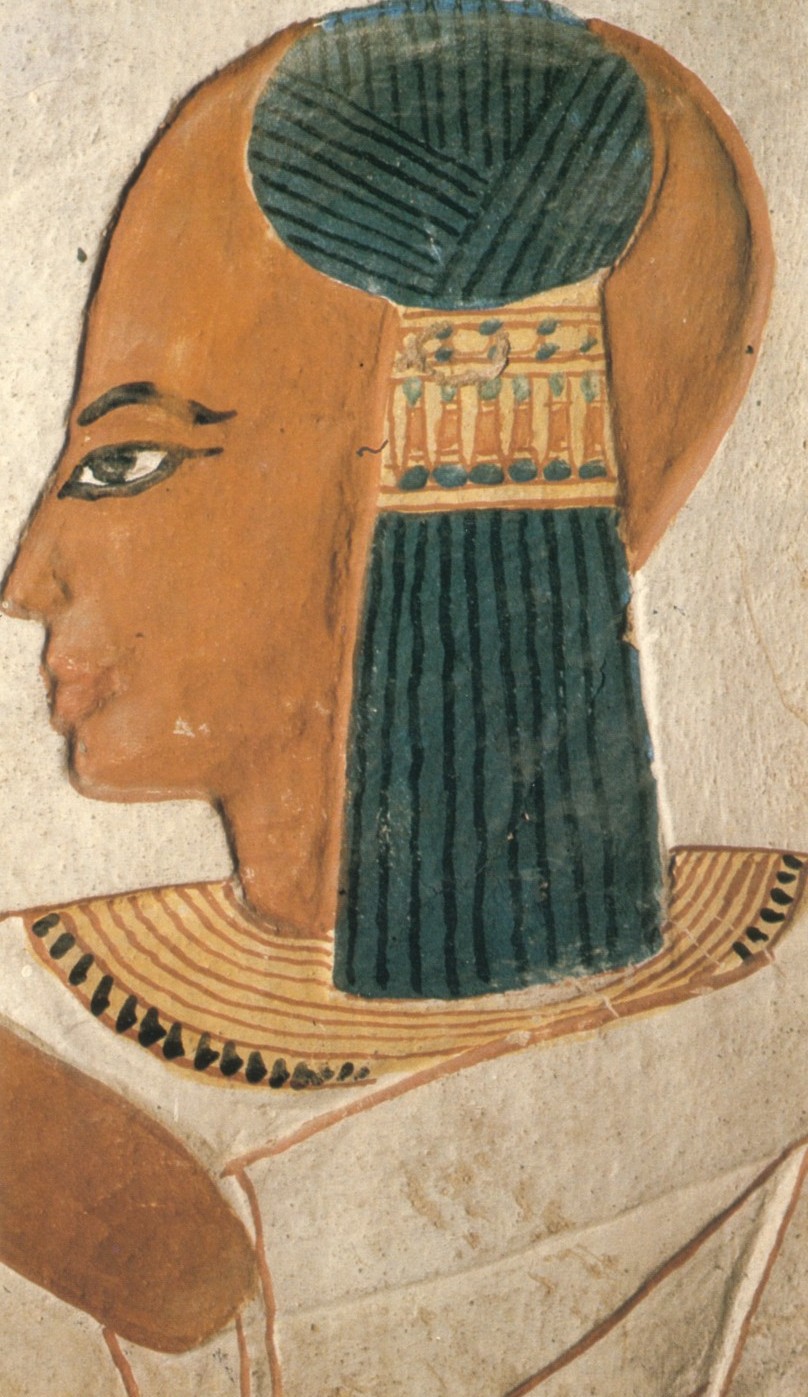
The tomb complex associated with Prince Khaemwaset (c. 1281–1225 BC) is located within the Saqqara necropolis south of Memphis, Egypt. Archaeological investigation of the site developed across the nineteenth and twentieth centuries, with significant work conducted by Egyptologist Aly el-Khouly and later by a joint Egyptian–Dutch mission during the 1990s. Selected artifacts recovered from the tomb's vicinity entered museum collections including the Egyptian Museum in Cairo (catalog JE series) and the Rijksmuseum van Oudheden in Leiden, which holds material from earlier nineteenth-century excavations at Saqqara. The tomb reflects the wealth and status of its occupant. Khaemwaset served as High Priest of Ptah at Memphis, a position of extraordinary administrative and religious authority, and his burial equipment included canopic jars, shabtis, and inscribed stelae consistent with elite New Kingdom funerary practice. Inscriptions recovered from Saqqara and from monuments at Abydos, Giza, and elsewhere document Khaemwaset's personal campaigns to record, restore, and reinscribe decayed Old and Middle Kingdom structures—activities that modern scholarship regards as the earliest attested program of deliberate historical preservation. His name appears on restoration texts at the pyramids of Unas and Sahure, among others. For biblical studies, Khaemwaset's career is significant because he functioned at the apex of Egyptian state and religious administration during the reign of Ramesses II, the pharaoh most commonly associated in mainstream scholarship with the Exodus oppression narrative (Exodus 1:11; cf. Numbers 13:22 on Hebron's construction relative to Zoan/Tanis). His role as a learned royal son educated in hieratic traditions and priestly lore provides concrete historical texture for the Pentateuchal depiction of an Egyptian court populated by scribes, priests, and royal officials capable of sophisticated intellectual and religious activity (Exodus 7:11). The Memphite administrative context he embodies corresponds to the geographic and institutional setting the biblical text presupposes for the sojourn and departure of Israel. **Sources:** Kitchen, K.A., *Pharaoh Triumphant: The Life and Times of Ramesses II* (Aris & Phillips, 1982); Dodson, Aidan, *Poisoned Legacy: The Fall of the Nineteenth Egyptian Dynasty* (American University in Cairo Press, 2010); Weeks, Kent R., ed., *Valley of the Kings: A Site Management Handbook* (Theban Mapping Project, 2001); Exodus 1:11; Exodus 7:11.
Khaemwaset, fourth son of Ramesses II and High Priest of Ptah at Memphis, is the earliest historically documented individual to systematically study and restore ancient monuments, placing him as a direct contemporary of the biblical Exodus tradition and illuminating the Egyptian royal court environment described in the Pentateuch.