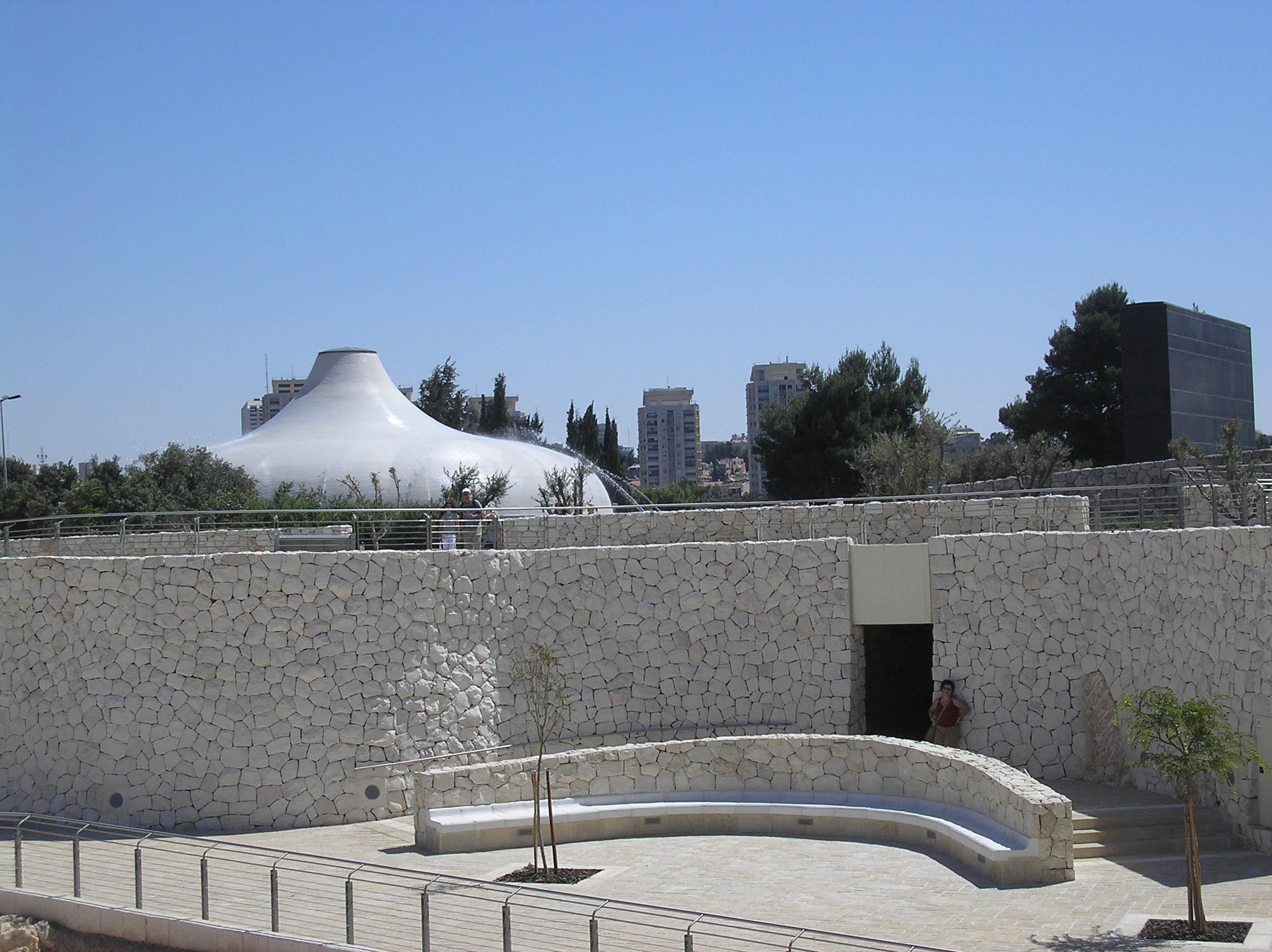
Fragments identified as 4Q171 were recovered from Cave 4 at Qumran on the northwestern shore of the Dead Sea during excavations led by Roland de Vaux and the École Biblique team beginning in 1952. The cave yielded an extraordinary density of manuscript material; 4Q171 was among the texts formally published in the Discoveries in the Judaean Desert series. The fragments are currently under the custody of the Israel Antiquities Authority, with selected pieces accessible through the Shrine of the Book at the Israel Museum in Jerusalem and digitized within the Leon Levy Dead Sea Scrolls Digital Library. The manuscript is written in Hebrew on leather in a Herodian-period script, paleographically dated to approximately 50–25 BC. It preserves a running commentary—a pesher—on portions of Psalms 37, 45, and 60. The pesher format quotes a lemma (a verse or phrase) from the biblical text and immediately follows it with an interpretation introduced by the formulaic phrase "its interpretation concerns" (Hebrew: pishro). Psalm 37, with its contrast between the wicked who flourish temporarily and the righteous who inherit the land, receives the most extensive treatment; the community applies its verses to identifiable internal categories such as "the Wicked Priest," "the Man of the Lie," and "the Teacher of Righteousness," figures known from other Qumran texts. For biblical scholarship, 4Q171 is significant on multiple levels. It demonstrates that Psalms were read as prophetic literature susceptible to contemporizing interpretation well before the Common Era, a practice also visible in the New Testament's use of the Psalter. The scroll confirms the currency and authority of the Psalms within a Jewish sectarian community of the late Second Temple period and provides a controlled example of how scriptural texts were transmitted, segmented, and applied within organized communal life. Comparative study of 4Q171 alongside New Testament pesher-like passages has informed understanding of shared exegetical conventions in first-century Jewish and early Christian contexts. **Sources:** John Strugnell and Henri Allegro, *Qumran Cave 4*, DJD 5 (Clarendon Press, 1968); Maurya Horgan, *Pesharim: Qumran Interpretations of Biblical Books* (Catholic Biblical Association, 1979); Timothy Lim, *Holy Scripture in the Qumran Commentaries and Pauline Letters* (Clarendon Press, 1997); Psalm 37:1-40.
4Q171 provides direct evidence of a late Second Temple exegetical method—pesher—that read Psalms as coded prophecy about the Qumran community's own history, illuminating the interpretive environment in which early scriptural commentary developed.