Public domain · via Wikimedia Commons ↗
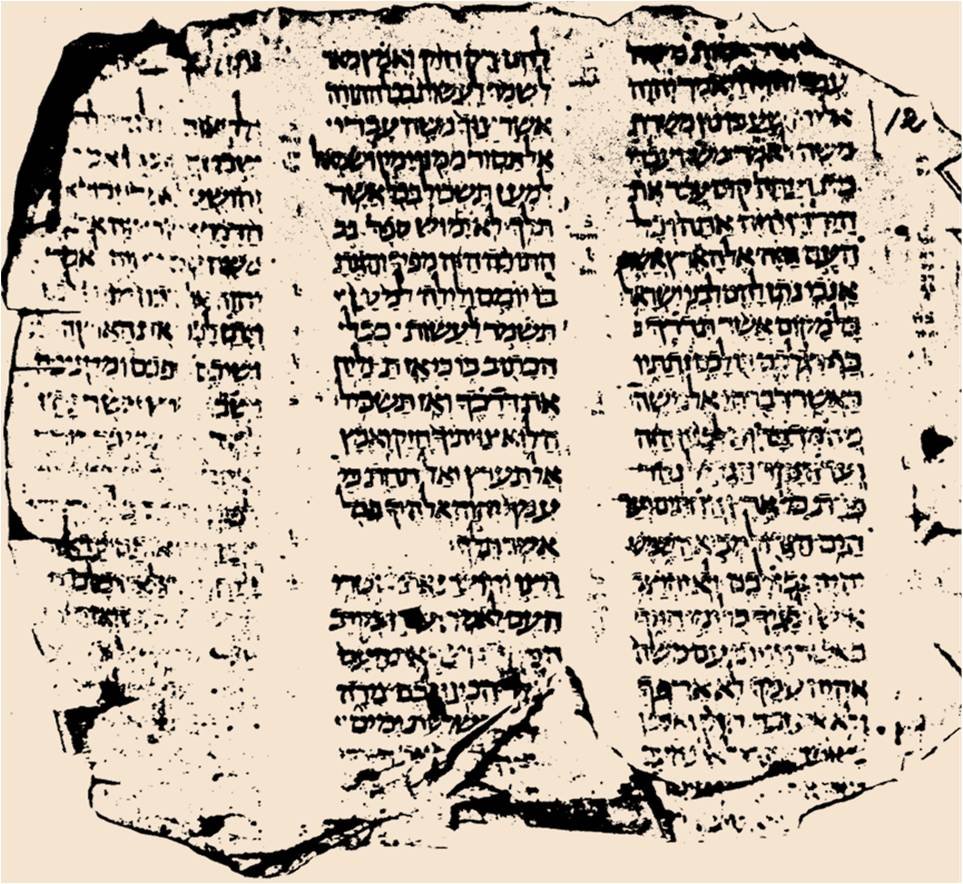
The Cairo Codex of the Prophets
Also called Codex Cairensis, C.
Reflection
If the Aleppo Codex is the son's masterpiece, the Cairo Codex of the Prophets is the father's. The colophon names its scribe: Moses ben Asher, of Tiberias, in the year AD 895. Three generations later, his great-grandson Aaron would vocalize the Aleppo Codex. The Cairo Codex is the oldest dated Hebrew biblical manuscript in existence — the first manuscript that signs and dates itself, telling us exactly when and where the Hebrew Bible was being copied with this level of precision.
What the Cairo Codex witnesses is the moment the Masoretic Text became standardized. In the 9th and 10th centuries, two Tiberian families — the Ben Ashers and the Ben Naphtalis — were competing to fix the vocalization of the Hebrew Bible. They agreed on the consonants almost completely; the differences were in vowel points and accents, refinements at the level of pronunciation and chant. The Cairo Codex preserves both traditions — Ben Asher's notes and Ben Naphtali's notes side by side — and lets us watch the standardization happen in real time. By the time of Aleppo, Ben Asher had won. The Cairo Codex is the manuscript that shows us why.
For the believer today, the Cairo Codex is a witness that the men who guarded the prophets' words were not careless and they were not anonymous. They had names. They had families. They had fathers and sons who handed the work down. Moses ben Asher copied this codex and signed it with his own hand more than eleven hundred years ago, and the prophets in your Bible — Isaiah, Jeremiah, Ezekiel, the Twelve — speak the same words today that he set down. The Word is preserved. The men who preserved it had names. God remembers their names.
Why this manuscript matters
- Earliest dated Hebrew biblical manuscript
- Father of the Aleppo scribe
- Ben Naphtali / Ben Asher comparison